
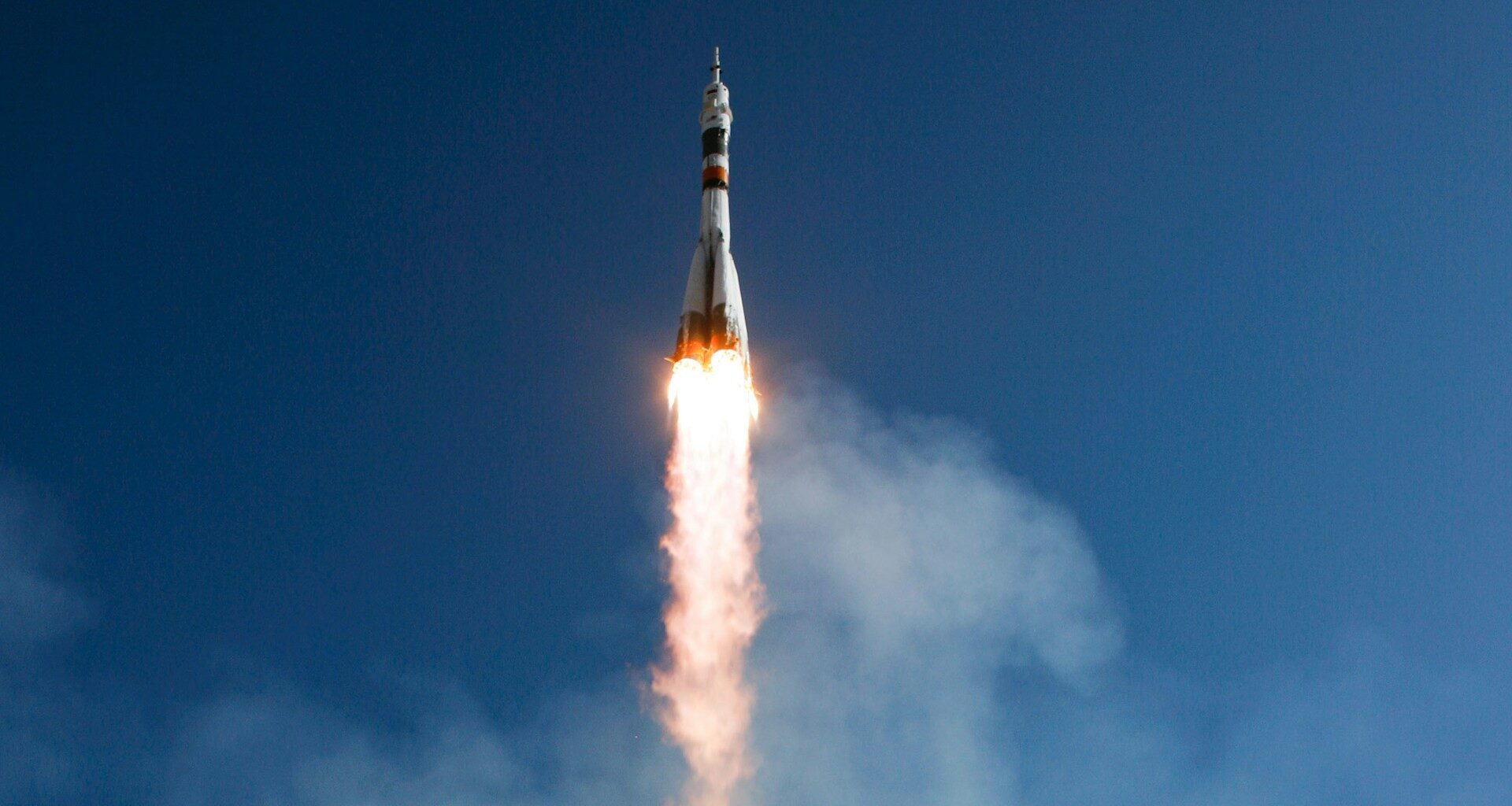
The number of satellites launched into space has grown dramatically in recent years. Mega-constellations, large networks of satellites working together, are being launched to provide global internet, communication, navigation, and Earth observation.
There are hundreds of launches every year, with thousands of satellites now in orbit. These satellites operate for 5–15 years and are then deorbited. They are guided back into the Earth’s atmosphere, where they are heated up to thousands of degrees Celsius, burned, and disintegrated. This process is called atmospheric reentry.
New research has shown that the burning material becomes atmospheric pollution. Metal particles and chemical compounds are released into the middle atmosphere. Satellites contain large amounts of aluminum, which forms alumina particles when burned and remains suspended in the middle atmosphere for long periods. Rocket engines that use hydrocarbon fuels produce black carbon soot. Exotic metals such as copper and lithium have also been detected.
These released chemicals can affect various parts of the Earth’s atmosphere, leading to ozone layer damage, stratospheric heating, and changes in the polar atmosphere. There are also possibilities of debris falling to Earth.
Scientists have proposed that instead of burning satellites, materials from deorbited satellites should be recycled and reused to prevent wastage. The European Space Agency is developing the ClearSpace-1 mission, which will capture space junk and safely remove it. Recovered materials have also proven to be valuable, potentially generating revenue. Humanity is now faced with either continuing current practice or building a sustainable circular space environment.
 Chibuike Okpara – Tech Writer – 453 articles published on Notebookcheck since 2024
I have always been fascinated by technology and digital devices my entire life and even got addicted to it. I have always marveled at the intricacy of even the simplest digital devices and systems around us. I have been writing and publishing articles online for about 6 years now, just about a year ago, I found myself lost in the marvel of smartphones and laptops we have in our hands every day. I developed a passion for learning about new devices and technologies that come with them and at some point, I asked myself, “Why not get into writing tech articles?” It is useless to say I followed up the idea — it is evident. I am an open-minded individual who derives an infinite amount of joy from researching and discovering new information, I believe there is so much to learn and such a short life to live, so I put my time to good use — learning new things. I am a ‘bookworm’ of the internet and digital devices. When I am not writing, you will find me on my devices still, I do explore and admire the beauty of nature and creatures. I am a fast learner and quickly adapt to changes, always looking forward to new adventures.