
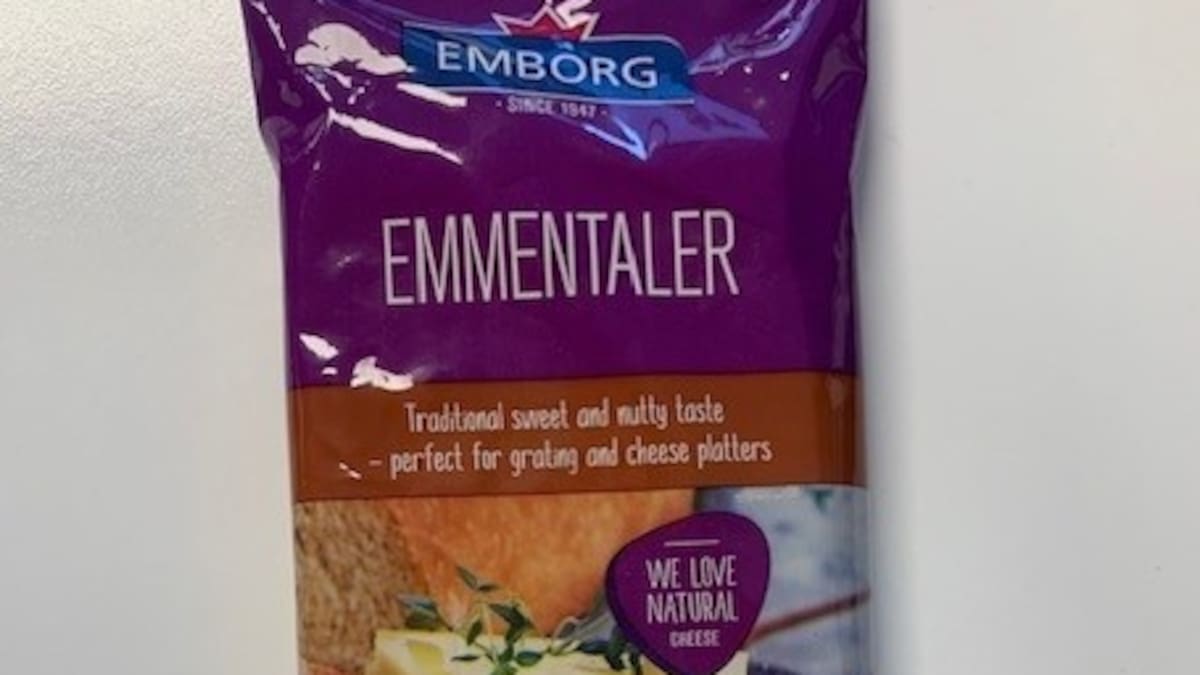
“These products should not be eaten. You can return them to the place of purchase for a refund. If that’s not possible, throw it out.”
Arbuckle said a Listeriosis infection could be serious among vulnerable groups, such as pregnant women and their unborn babies, newborns, the elderly and those with weakened immune systems.
“Listeria differs from other harmful bacteria in that it can grow at refrigerator temperatures, so you have to be very careful about the foods you eat, or provide to others, if you or they are in a vulnerable group.
“It is particularly dangerous during pregnancy because it can cause miscarriage, premature labour or stillbirth, and infection in the newborn baby.”
NZFS said a Listeriosis infection in healthy adults was unlikely to be severe, at most causing mild diarrhoea and flu-like symptoms within a few days of eating contaminated food.
For those in the vulnerable groups, it usually takes two to three weeks – or even longer – before symptoms appear.
Customers are asked to check the date mark on the back of the packet.
The cheese should not be consumed. There have been no reports of illness.
However, if you have consumed this product and have any concerns about your health, seek medical advice, NZFS said.
“As is our usual practice, NZFS will work with Goodfood Group Limited to understand how the contamination occurred and prevent its recurrence,” Arbuckle said.
Sign up to The Daily H, a free newsletter curated by our editors and delivered straight to your inbox every weekday.