
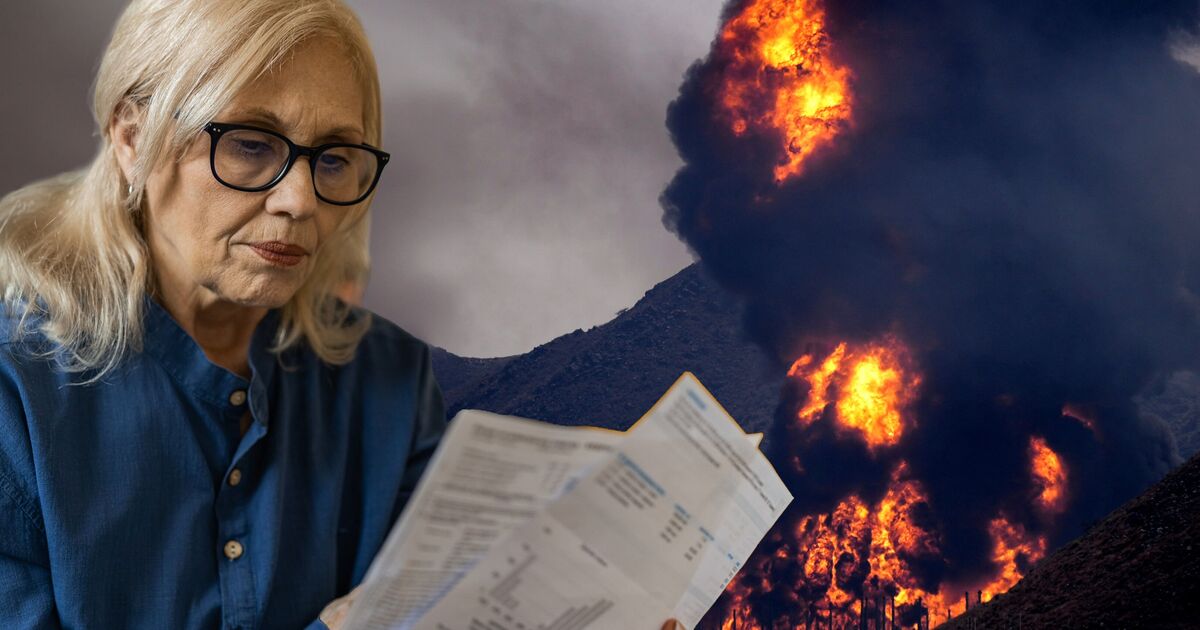
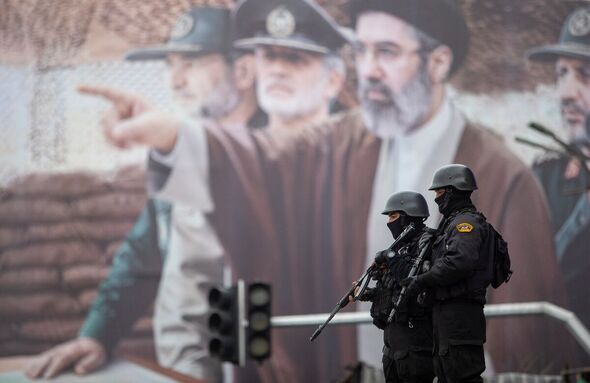
The US-Israeli war on Iran has rocked global markets (Image: Getty)
Global markets have been rattled by the escalating conflict in the Middle East. Stock markets have dropped, the price of a barrel of Brent crude oil spiked as high as $120 and there is talk of inflation rising.
For pension savers, the value of retirement savings may already have fallen. UK government borrowing costs rose sharply amid the talk of inflation as the yield on two year gilts approaching levels not seen since former prime minister Liz Truss’s mini-budget in 2022.
READ MORE: Rachel Reeves under pressure over new pension tax-grab – £2,000 change
READ MORE: Pensions warning as people lose thousands
As many retirement funds hold large amounts of bonds, price falls and yield rises matter to pensioners and pension savers because as retirement nears savings are gradually moved from shares into lower-risk assets such as bonds.
Faye Church, Senior Financial Planning Director at Rathbones said the conflict has triggered a bout of market volatility affecting the value of investments.
She said this includes pensions, stocks and shares ISAs and other investment accounts.
Ms Church told the Daily Express: “While markets have already shown signs of recovery from earlier declines, short‑term swings can be unsettling.
“Reacting to headlines can often do more harm than good. Staying diversified and maintaining a long‑term perspective is usually the wiser approach.”
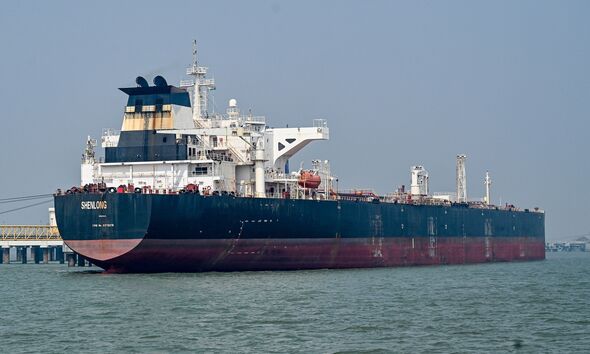
Unlocking the Strait of Hormuz is ‘key for global markets’ (Image: Getty)
She advised: “For those drawing an income, it’s also important to be mindful of the impact of market downturns on portfolios.
“Taking regular withdrawals when markets are depressed can lock in losses and make recovery harder.
“Where possible, it may be worth using alternative income sources – such as cash savings – rather than selling investments that have fallen in value.”
Emma Wall, Chief Investment Strategist at Hargreaves Lansdown, said unlocking the Strait of Hormuz was key for equity markets, bond markets, inflation and economic growth.
But she warned normality seems a long way off as Iran targets the Strait with mines. The Islamic Republic has also targeted tankers, which usually carry 20% of the world’s daily oil supplies through the route.
Ms Wall told the Express: “Ultimately however, when considering the impact for long term investments – particularly in a SIPP (Self-Invested Personal Pension) where investors have a multi-decade investment horizon – a few weeks or months of volatility will have a minimal impact on outcomes.
“The key is ensuring your portfolio is well diversified, aligned to your risk appetite and you’re not tempted to make rash decisions off the back of daily market moves.”
For those already retired or about to, she cautioned against shifting a portfolio in reaction to geopolitics or short-term news flow, or fear.
Ms Wall said: “Instead, what you invest in should be dictated by your investment horizon and risk appetite.
“If you are approaching retirement – or in retirement – your portfolio should be designed with capital preservation in mind.
“Lower risk assets such as gold, gilts and cash should add ballast held alongside stocks, and help protect from market shocks.”