
Treasury is forecasting New Zealand’s inflation “worst case scenario” at 3.7%, as the war in Iran drags on and fuel prices continue climbing.
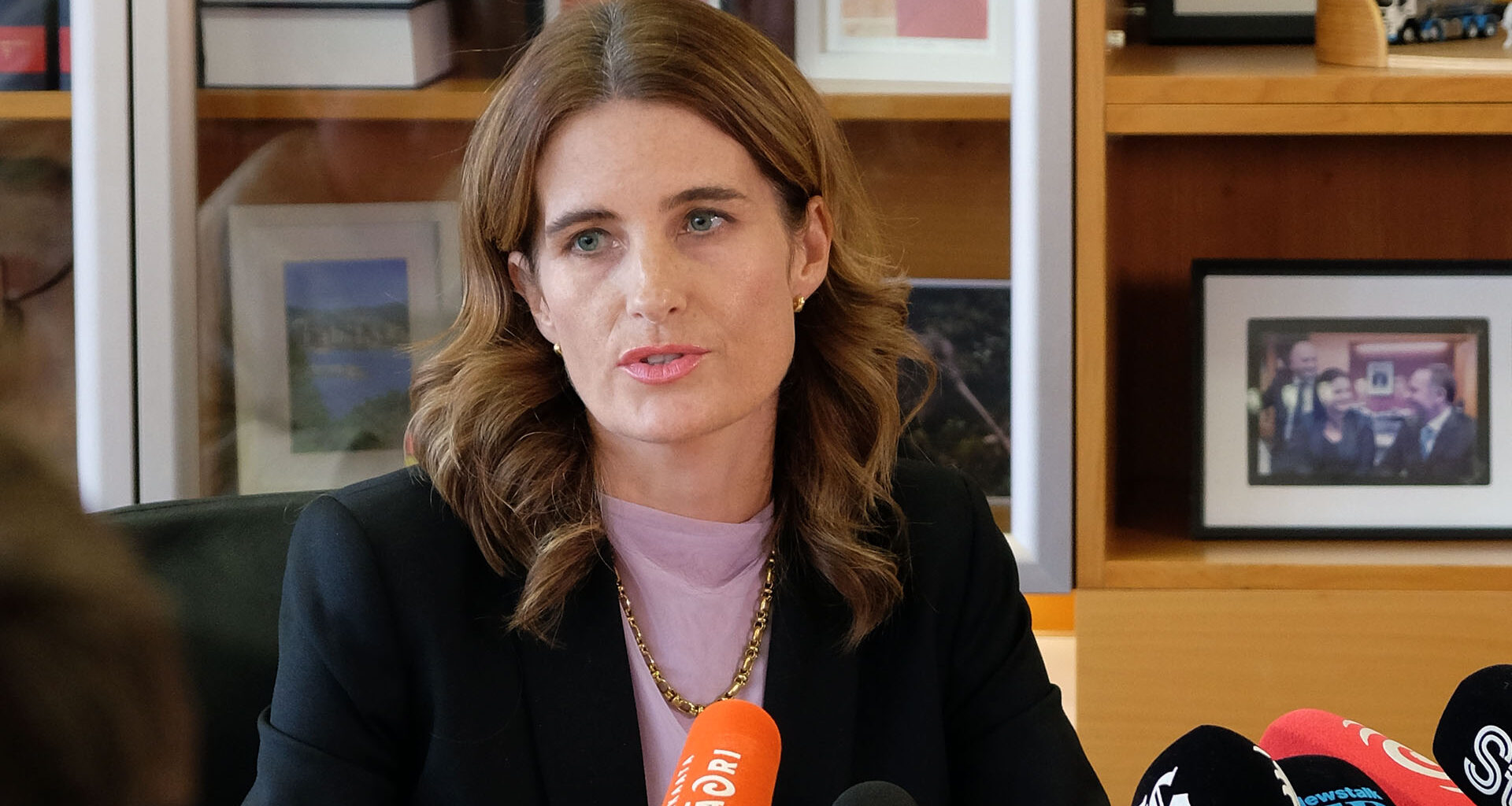
Finance Minister Nicola Willis briefed journalists from her office on Monday afternoon and said Treasury was forecasting inflation rising higher this year than anticipated.
Willis said the worst case scenario, “which is for a prolonged conflict with oil prices continuing to go higher than they are – that is a conflict potentially lasting through the rest of this year”, was 3.7%.
“That’s too high for my liking, but it’s lower than Australia has today. They are currently at 3.8%.”
Willis also revealed a “timely, temporary and targeted” response to high fuel prices would be considered, should the Government consider prices were raised to a point that was putting acute cost of living pressures on households.
Willis said the situation was difficult for forecasters. “They’re not just trying to forecast what would the economic impact of particular events or price spikes be, they’re also trying to anticipate what those very events might be”.
“And so even that number that I share with you is somewhat dated, and that it was a figure that the Treasury put together some days ago, and a lot has happened in the world since then.
“But what they did do as a scenario was… in a worst case scenario where you have a prolonged conflict, you see the oil price going as high as US$185 a barrel, you see a very significant impact on global growth and output, how might we see that flow through to the New Zealand economy?”
“I’d note that there was also a scenario that they gave me in which they thought inflation would only get to 3.2%, still out of band, but not nearly as high.”
The most recent Consumers Price Index rate from Statistics NZ, for the December quarter, showed annual inflation of 3.1%.
Willis said forecasters still expected the New Zealand economy to grow strongly this year.
“The lowest rate of growth that they forecast in the scenarios they shared with me was 2.5% – that is a healthier rate of growth than we experienced last year,” Willis says.