
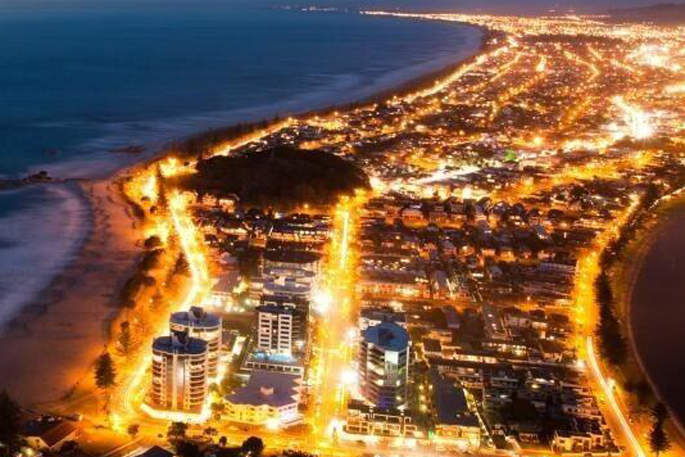
Transpower and Powerco are preparing to roll out nine major electricity infrastructure projects across the Western Bay of Plenty over the next decade.
Electricity demand is expected to more than double in the area by 2050, according to Transpower.
It has released a request for proposals inviting innovative transmission alternatives, known as non-transmission solutions (NTS), to bolster its development plan in the region.
Grid development executive general manager Matt Webb said the national grid has been working with Powerco to coordinate development of infrastructure to enhance electricity supply in the most cost-efficient way and deliver the region’s growing power needs now and into the future.
“The Western Bay of Plenty is one of Aotearoa’s fastest growing regions, with electricity demand across Tauranga, Mount Maunganui, Te Puke and Ōmokoroa expected to increase 40%-75% by 2035 due to population and economic growth, as well as increasing electrification,” Webb said.
“By 2050, it is expected to more than double.
“To meet this growing need we need to invest now to enable the people and businesses in the WBOP to thrive. We need all the tools and technology available to us, and NTS have significant, quantifiable potential in reducing costs for New Zealanders.”
In June 2025, the Commerce Commission approved Transpower’s $83 million investment plan, as well as an additional $2.5 million to support NTS, such as large-scale batteries and demand response strategies, which can play a key role by shifting electricity demand away from peak times to quieter ones.
“Having the flexibility to reduce how much electricity we need to carry at heavy use times means we can improve the performance of existing transmission infrastructure and reduce or delay the need for additional investment in new generation, upgrades or new lines, to keep costs down for Kiwis,” Webb said.
Transpower is inviting innovative providers to propose flexible demand-side and supply-side solutions that can deliver up to 20 MW at Tauranga by winter 2030, and 10 MW at Te Matai by winter 2031.
Proposals must be submitted electronically via Government Electronic Services (GETS) by June 30 and will help develop investment timing.