The old playbook no longer works. Wealth planning now demands a more integrated, holistic approach
TODAY’S environment is more volatile than ever. Geo-economic shifts are reshaping regulatory landscapes, and rapid technological change is creating both opportunity and risk. These forces are influencing not only how businesses operate, but how ultra-high-net-worth (UHNW) families organise their wealth, make cross-border decisions and plan for continuity
across generations.
The principles of wealth planning remain intact. But applying them today requires a far more proactive and disciplined approach. In this environment, wealth conversations are shifting away from traditional private banking discussions centred primarily on products or portfolios towards a more holistic focus on long-term objectives and family outcomes. This shift requires private banks to rethink how they engage UHNW families.
The starting point is understanding a family’s wealth purpose, what they are ultimately trying to achieve and for whom. That means the conversation does not start with structures or products, but with what the family is actually trying to protect and build. Families increasingly seek advice that connects business interests, investments and family governance into a coherent framework. Decisions made in one sphere can have implications across the others.
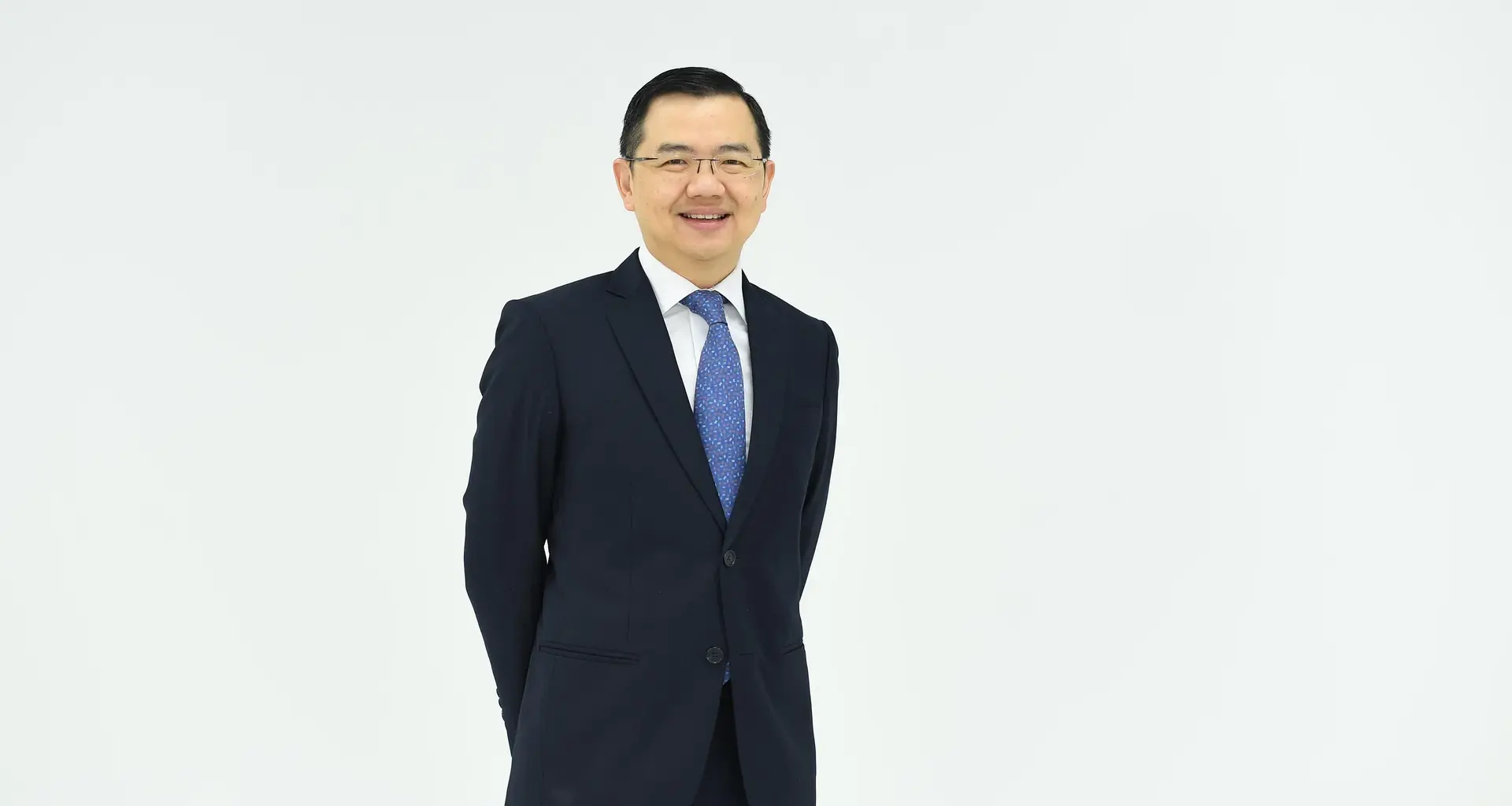
“The way wealth is owned, managed and transferred today is far more complex,” says Paul Chua, head of family office and wealth advisory at Bank of Singapore. “The value of wealth being transferred is significantly larger, and families are far more globally mobile, with businesses and assets spanning multiple countries. People are living longer and often plan for wealth to pass not just to the next generation, but beyond.”
“Traditional private banking conversations centred on using standardised products are no longer sufficient,” says Mr Chua. “Families need advice to ensure solutions are fit for purpose and integrate geopolitics, regulation and governance into their wealth planning strategy.”
For families navigating this transition, it is now a complex balancing act across three specific areas where a “business as usual” approach simply no longer holds up.
Navigate Asia in
a new global order
Get the insights delivered to your inbox.
A shifting regulatory landscape
Some developments are immediate. Trade tensions, tariffs, sanctions or policy shifts can alter business conditions, often with little warning. Others evolve more gradually. Global initiatives such as the Organisation for Economic Co-operation and Development’s (OECD) Base Erosion and Profit Shifting framework, automatic exchange of financial information and beneficial ownership registries have increased information transparency and strengthened tax enforcement, reshaping how wealth is structured and reported across borders.
For many families, existing structures may need to be reviewed, and holding companies, trusts or family offices considered in light of where stability and legal certainty can be found.
“It is increasingly important for advisers to ensure structures remain robust and aligned with evolving legal and tax frameworks. For business-owning families especially, the regulatory environment is not static. It requires constant monitoring across multiple jurisdictions,” says Guo Jiawen, head of family office and structuring solutions, Bank of Singapore. “What Bank of Singapore does is raise awareness proactively, so families can plan ahead rather than react after the fact.”
Where a family resides is no longer a straightforward question. Today, it is common for families to have children studying or living abroad, businesses operating across multiple countries, and residential and investment properties spread across different jurisdictions. Family members may relocate for business, lifestyle or personal considerations, and decisions that once made sense may need to be revisited as circumstances evolve.
Residency planning goes well beyond tax efficiency. It involves financial security, how wealth is held and governed across borders, and personal priorities such as safety, stability and health care. In many cases, these decisions intersect directly with business continuity and succession planning.
“Changes within the family, to its asset holdings, or to the regulatory environment across any of the jurisdictions involved, can quickly give rise to complex issues,” says Ms Guo. “These require a well-coordinated, multi-disciplinary approach and collective resolve within the family to address them together.”
When advice pulls in different directions
While each perspective may be sound in isolation, the cumulative effect can become fragmented and misaligned with the family’s overall strategy. As families engage multiple advisers across jurisdictions and disciplines, ensuring alignment increasingly becomes a central challenge.
“Bank of Singapore works closely with families across their financial footprint, placing us in a strong position to identify emerging disconnects and bring the right conversations to the surface before gaps become costly problems. Families then work alongside their professional tax and legal advisers to implement solutions aligned with their overall objectives,” says Ms Guo.
This coordinating role has grown in importance as wealth structures evolve alongside changing regulations, mobility patterns and family priorities. Rather than replacing specialist advisers, the objective is to help families connect decisions across different domains into a coherent plan.
“This is where Bank of Singapore Wealth Advisory adds value. We guide families and engage their advisers toward alignment, providing the direction needed to develop well-considered, coherent plans,” Mr Chua says.
For globally mobile families, however, alignment is only part of the challenge. The growing number of jurisdictions, structures and stakeholders involved means complexity tends to build over time, sometimes creating problems that are difficult for families to detect early.
“The most significant challenge for globally mobile families with multi-jurisdictional assets and interests is aligning the different moving parts,” adds Ms Guo. “With many moving pieces in the puzzle, families may find it increasingly difficult to track changes and understand how shifts in mobility or regulatory developments affect existing structures.”
Planning for what comes next: beyond the old playbook
Succession can no longer be treated as a discrete event triggered by a single milestone. It plays out over years, often decades, shaped by changes in family circumstances, regulation and business conditions. Planning must therefore be anticipatory and adaptable.
“Our objective is to work with families to implement structures that are practical and not unduly complex,” says Mr Chua. “Families need to be able to adopt these plans and build firsthand experience in making them work. That is what makes planning sustainable across generations.”
As the wealth transfer accelerates, the next generation is becoming part of the conversation earlier. Bank of Singapore’s next generation engagement programmes and Family Forums bring younger members into these discussions directly, building the financial literacy and stewardship skills they will need when responsibilities eventually pass to them.
Where trust structures are part of the solution, BOS Trustee Limited, the bank’s in-house trustee, enables advisory and implementation to stay closely aligned. This year, BOS Trustee celebrates its 88th anniversary, reflecting its rich history, deep experience and long-standing role as a trusted partner supporting families in their wealth transfer journeys.
“What families are navigating today is fundamentally different from previous generations,” says Mr Chua. “It is the complexity of today’s environment that demands a broader advisory approach, one that integrates business, investments and family considerations to preserve wealth across generations.”
Mr Chua also notes families often feel overwhelmed when trying to address multiple issues at once. “It is rarely effective to adopt a fix-all approach,” he says. “We journey with families in phases, helping them take initial steps before expanding the scope of planning as they gain experience and comfort.”
For Bank of Singapore, this translates into guiding families through structured conversations that connect decisions across generations, helping ensure that succession is not treated as a single event but as an ongoing process of stewardship. The objective is not only to transfer assets, but to equip the next generation with clarity, continuity and a shared framework for long-term decision-making.