
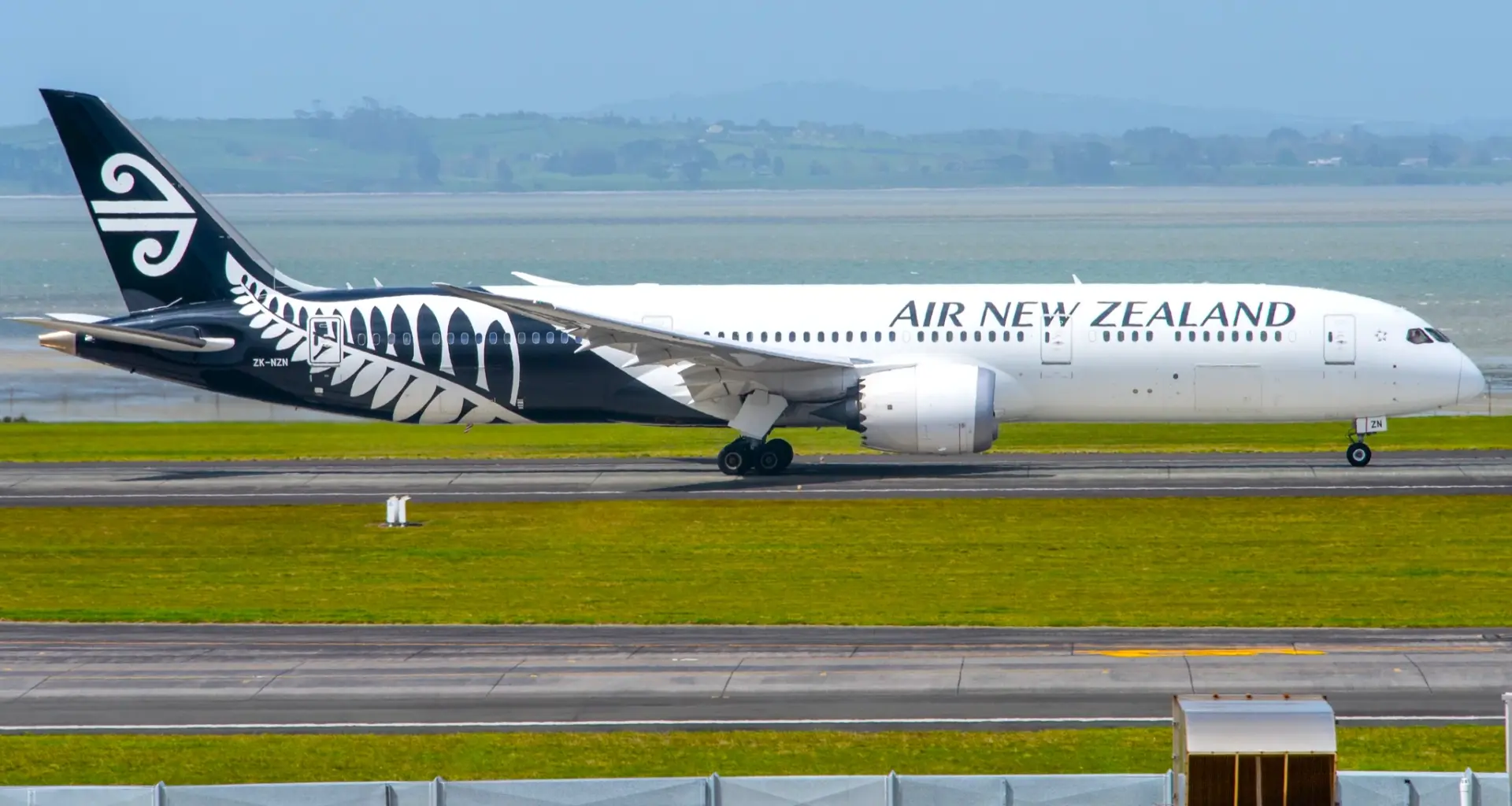
AUCKLAND- Air New Zealand (NZ) is reviewing its Auckland (AKL) to New York (JFK) route as financial losses, rising fuel costs, and competition reshape its network strategy.
The ultra-long-haul service is under pressure due to limited frequency and high operational demands.
Air New Zealand operates the Auckland to New York route three times weekly, requiring significant aircraft time and resources.
Analysts and industry leaders question whether these aircraft could deliver better returns on shorter, high-demand routes.
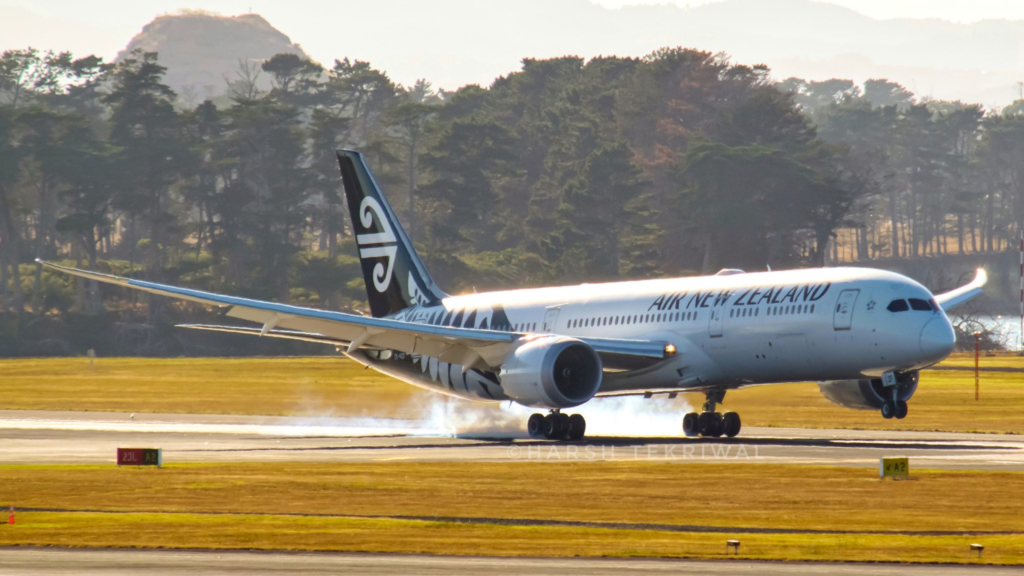 Photo: avgeekwithlens/ Harsh Tekriwal
Strategic Review of Ultra Long Haul Operations
Air New Zealand is conducting a full business review after reporting a $40 million half-year loss. This review includes network planning, cost structures, and fleet utilization. Long, low-frequency routes such as Auckland to New York are receiving particular attention.
David Mackenzie, former chair of Christchurch International Airport, stated that the airline should reassess such routes carefully.
He described the New York service as a “prime cut” candidate and suggested the airline may need to make difficult decisions. The route was originally championed by former CEO Greg Foran, but current market conditions have shifted significantly.
Each weekly cycle of the route requires approximately 120 operational hours, including turnaround and ground time.
This level of aircraft commitment reduces flexibility and limits opportunities to deploy widebody aircraft on more profitable routes.
According to BusinessDesk, ultra-long-haul routes with low frequency often face structural profitability challenges, especially when fleet constraints and external cost pressures are present.
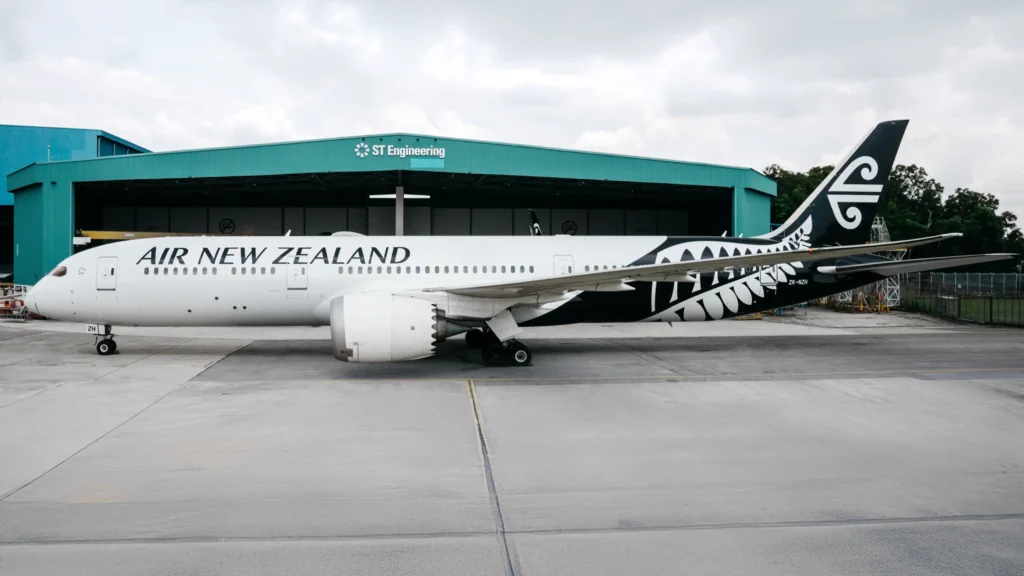 Photo: Air New Zealand
Rising Competition and Capacity Expansion
Competition on North American routes has intensified. Qantas operates five return flights per week on competing routes and plans to increase this to daily services.
This higher frequency, combined with optimized aircraft configurations, strengthens its competitive position.
United States carriers have also increased capacity to New Zealand. A report from Jarden highlighted an 85 percent increase in competing North American capacity, placing additional pressure on yields and load factors.
Air New Zealand is also facing operational constraints due to ongoing engine issues, limiting available aircraft and further complicating network planning.
Despite these challenges, the airline maintains that the New York route holds strategic value. Customer feedback highlights the benefit of a direct connection to the US East Coast, one of the world’s most significant business and tourism markets. The route also serves as an important gateway to Europe for New Zealand travelers.
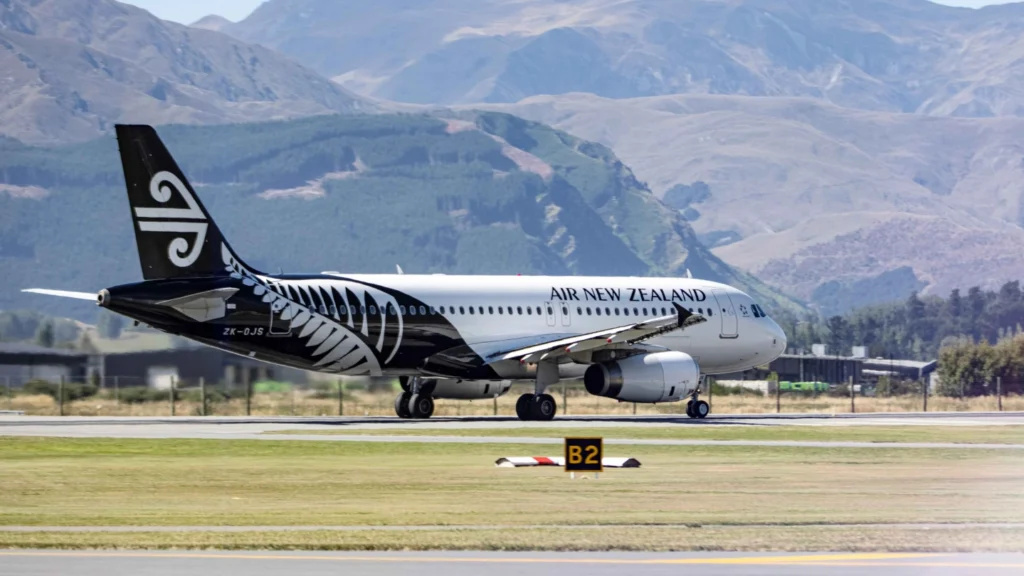 Photo: Brisbane Airport
Fleet Constraints and Aircraft Deployment
Ultra-long-haul routes require dedicated widebody aircraft for extended durations, reducing fleet efficiency. With only three weekly flights, Air New Zealand struggles to match competitor frequency while maintaining cost efficiency.
The airline expects delivery of two new Boeing 787-9 aircraft configured for ultra-long-haul operations later this year.
These aircraft are designed to improve fuel efficiency and passenger experience, potentially enhancing route performance.
However, Mackenzie suggested that reallocating aircraft to shorter long-haul or regional routes could improve profitability.
He noted that some regional sectors could benefit from larger and faster regional jets, offering better returns and improved connectivity.
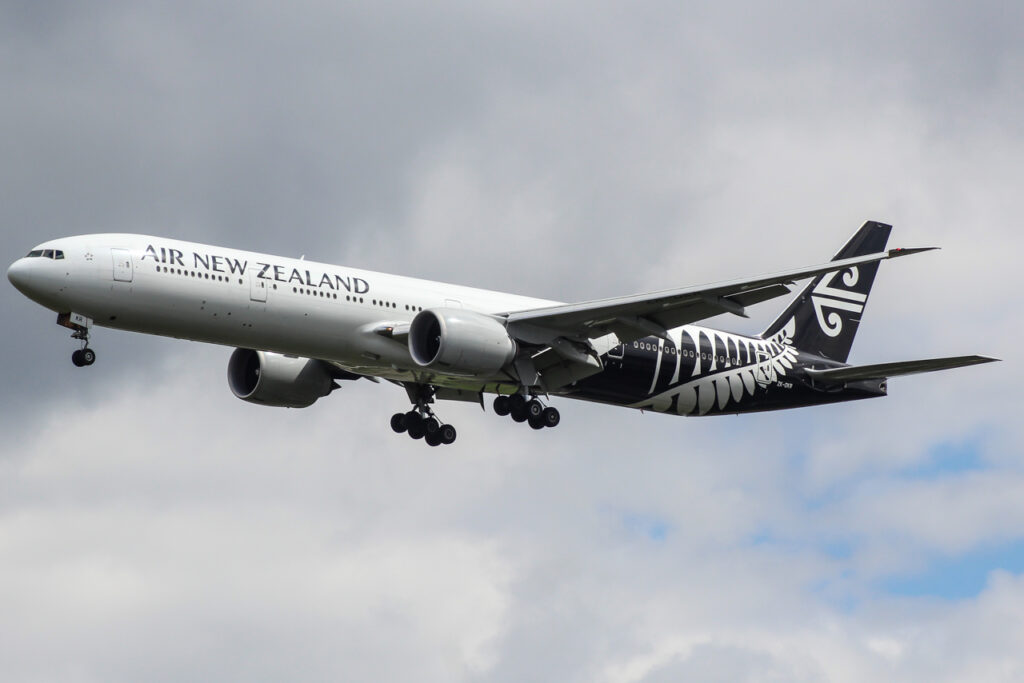 Photo: By Mark Harkin – ZK-OKR Boeing 777 Air New Zealand, CC BY 2.0, https://commons.wikimedia.org/w/index.php?curid=60606001
Fuel Volatility and Cost Pressures
Fuel costs remain a major challenge for Air New Zealand. The airline recently suspended its full-year guidance due to volatility driven by the Middle East conflict. Estimates suggest fuel price increases could cost the airline up to $5 million per day.
Forsyth Barr analyst Andy Bowley stated that Air New Zealand faces both revenue and cost challenges.
He noted that cost inflation since the pandemic has been higher than that of many global competitors, even before accounting for fuel price increases.
Bowley added that sustained high fuel prices could require structural changes as part of the airline’s strategy review.
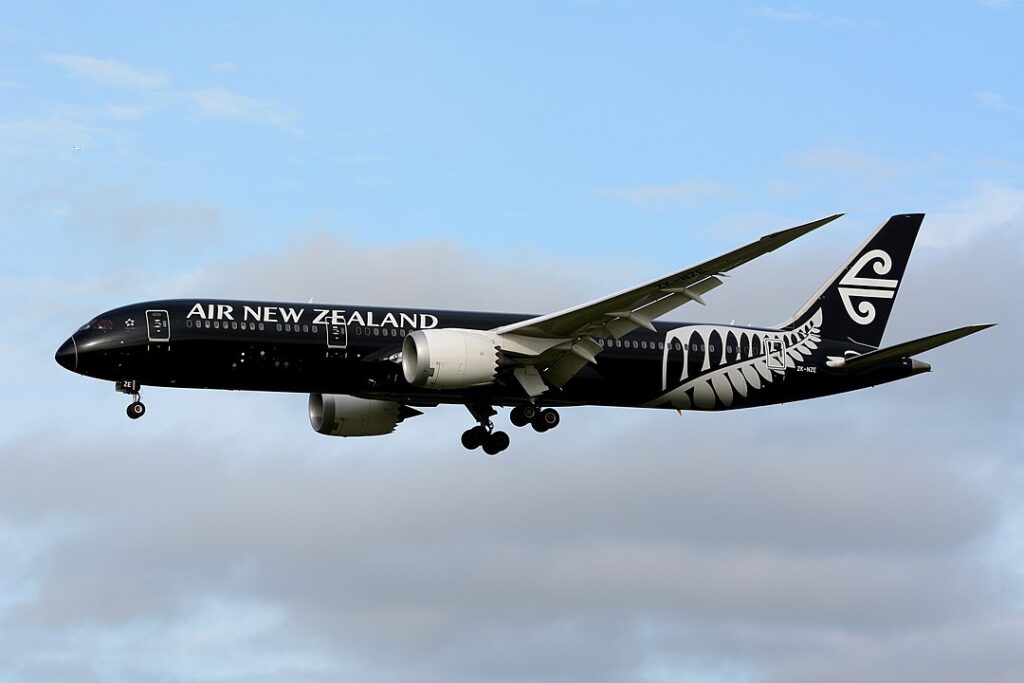 Photo: By Masakatsu Ukon – Air New Zealand, Boeing 787-9 ZK-NZE ‘All Blacks’ NRT, CC BY-SA 2.0, https://commons.wikimedia.org/w/index.php?curid=48938878
Cost Reduction and Internal Measures
Air New Zealand is actively pursuing cost reduction initiatives. Chief Financial Officer Richard Thomson stated that such programs are difficult to implement but necessary for long-term sustainability.
The airline has already achieved $145 million in incremental benefits since 2025 and aims to reach $260 million in total efficiencies. These efforts include operational improvements and cost control measures across the business.
Consultation with airline staff has begun as part of this process, indicating a broader organizational impact.
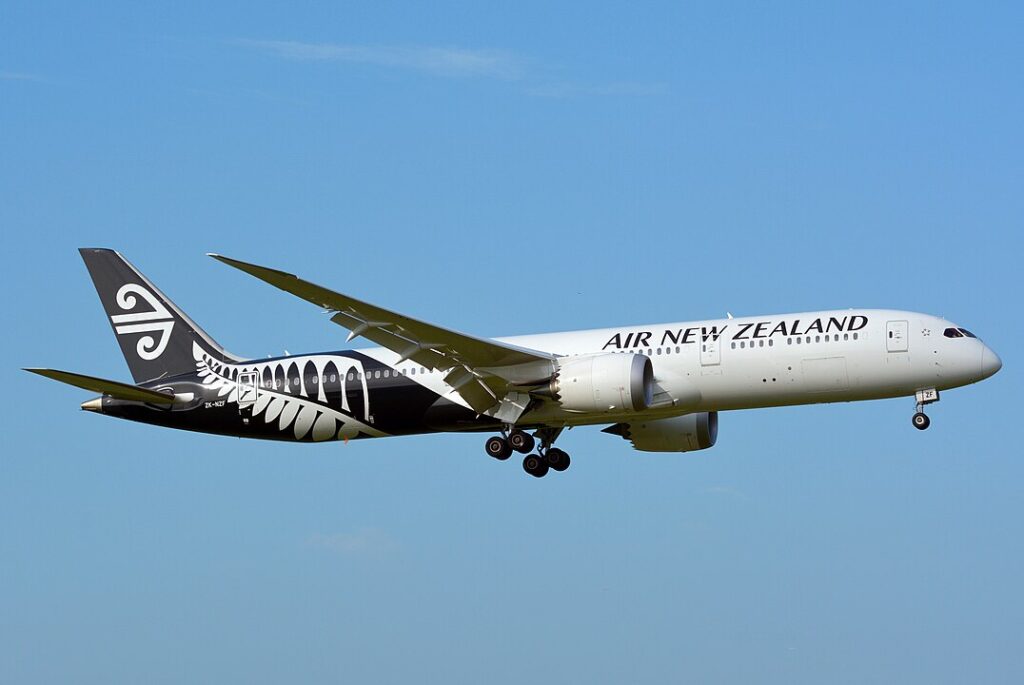 Photo:- By Masakatsu Ukon – Air New Zealand, Boeing 787-9, ZK-NZF NRT, CC BY-SA 2.0, https://commons.wikimedia.org/w/index.php?curid=57397991
Outlook for Network Decisions
Mackenzie advised that long-term strategic decisions should consider the temporary nature of current fuel volatility.
He emphasized that the airline is operating under extraordinary circumstances and should avoid premature conclusions.
Air New Zealand is expected to finalize its network and cost strategy once fuel markets stabilize and operational conditions improve.
Until then, routes such as Auckland to New York remain under detailed evaluation for their financial and strategic viability.
Stay tuned with us. Further, follow us on social media for the latest updates.
Join us on Telegram Group for the Latest Aviation Updates. Subsequently, follow us on Google News