

Sahapatpibul Plc
Sahapatpibul said the current war situation had pushed up production costs in consumer goods, particularly in raw material procurement, packaging and transport.
The company said this could create constraints on both production and product deliveries, reducing the amount of goods available for sale and causing shipments to arrive later than scheduled. It said it could not yet estimate when the impact would end.
It therefore asked trade partners to consider increasing stock levels where appropriate and to prepare for possible disruption.
Berli Jucker Plc (BJC)
BJC said the unrest in the Middle East had created risks around limited raw material availability, as well as higher prices and freight costs across all product groups.
The company said it was trying to source and produce enough goods to maintain adequate inventory for market demand, but expected the impact to begin from April 2026 onwards, with no clear end date yet in sight. It warned that prices could be affected in future.
It also asked trade partners to consider increasing stock levels where appropriate.
Commerce keeps watch on sensitive products
For now, the Ministry of Commerce is still trying to hold the line on consumer prices. The ministry recently asked retailers and businesses to keep prices unchanged while the government reviewed diesel support measures, arguing that it was not yet reasonable to use diesel costs alone to justify price increases. It said officials would investigate any attempts to take advantage of the situation.
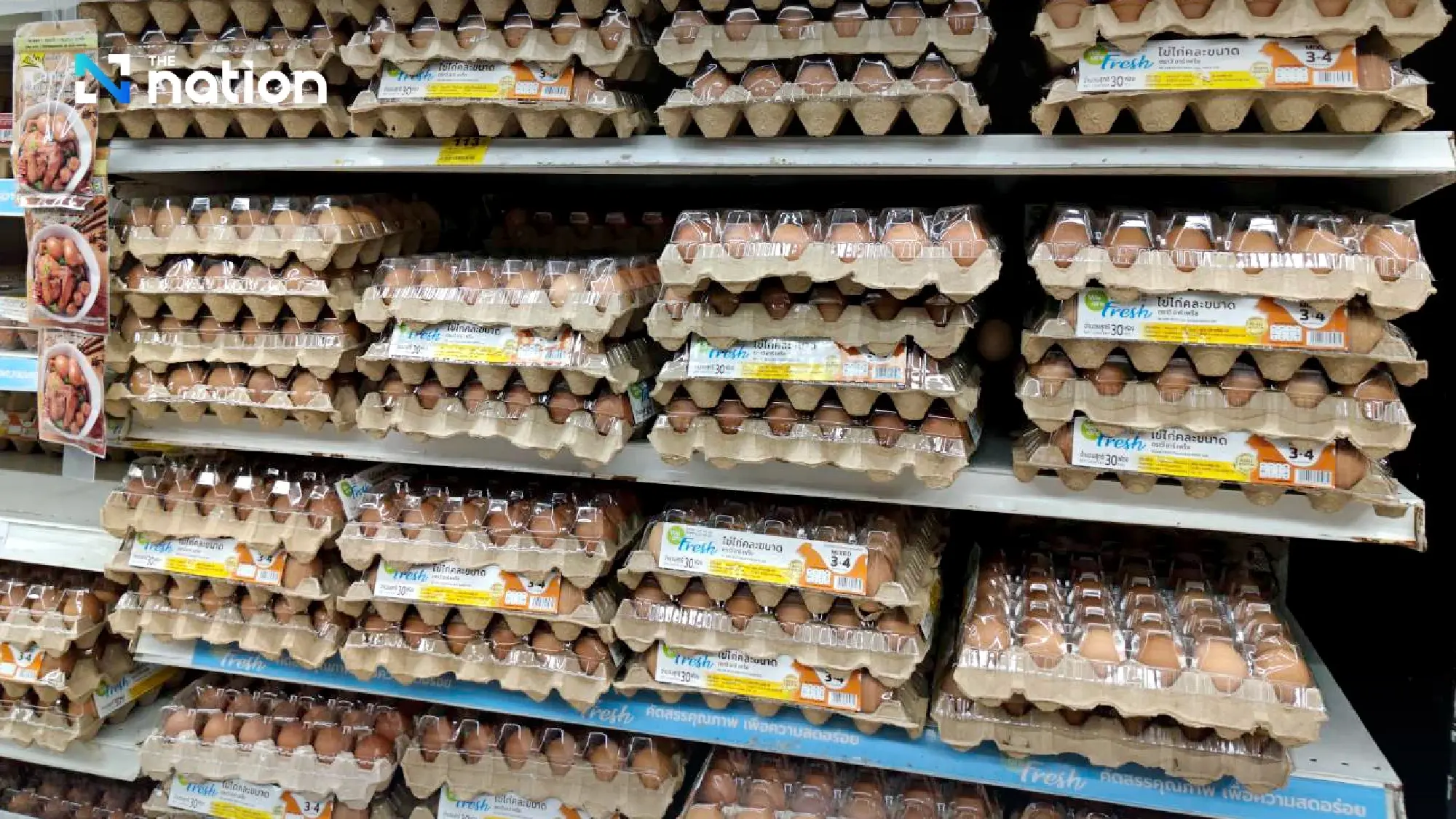
According to the ministry, the Trade Policy and Strategy Office is monitoring 59 controlled products and other sensitive goods that may be affected by higher oil prices. These include items such as instant noodles, canned fish, rice, eggs, palm oil and animal feed.
The user-provided report says the Department of Internal Trade currently oversees eight broad groups of controlled goods, including instant noodles, canned fish, milk powder, chemical fertiliser, pesticides and animal feed, and that no company has yet formally applied for a price increase. It also says products such as detergent, laundry liquid, shampoo and dishwashing liquid must notify authorities before any price adjustment, while packaged rice, fish sauce and seasoning sauces remain on the price watch list.
At the same time, pressure from energy costs is growing. The government’s diesel subsidy scheme had already pushed the Oil Fuel Fund into deficit earlier this month, and officials warned last week that the shortfall could deepen rapidly without further action.