
Career paths have traditionally followed three familiar routes: the stability of a 9-to-5 job, the ambition of building a startup, or continuing a family business. Increasingly, however, people are looking for something in between – a way to earn independently and build something of their own without the high risks or capital usually associated with starting a business from scratch.
Oriflame, the Swedish beauty and wellness company, has offered this path in India for nearly 30 years, since entering the market in 1996. Operating in over 60 markets, the company runs on a social selling model that enables millions of beauty entrepreneurs globally. In India, over 80% of its Brand Partners are women, making the model not just a retail channel but an engine supporting livelihoods.
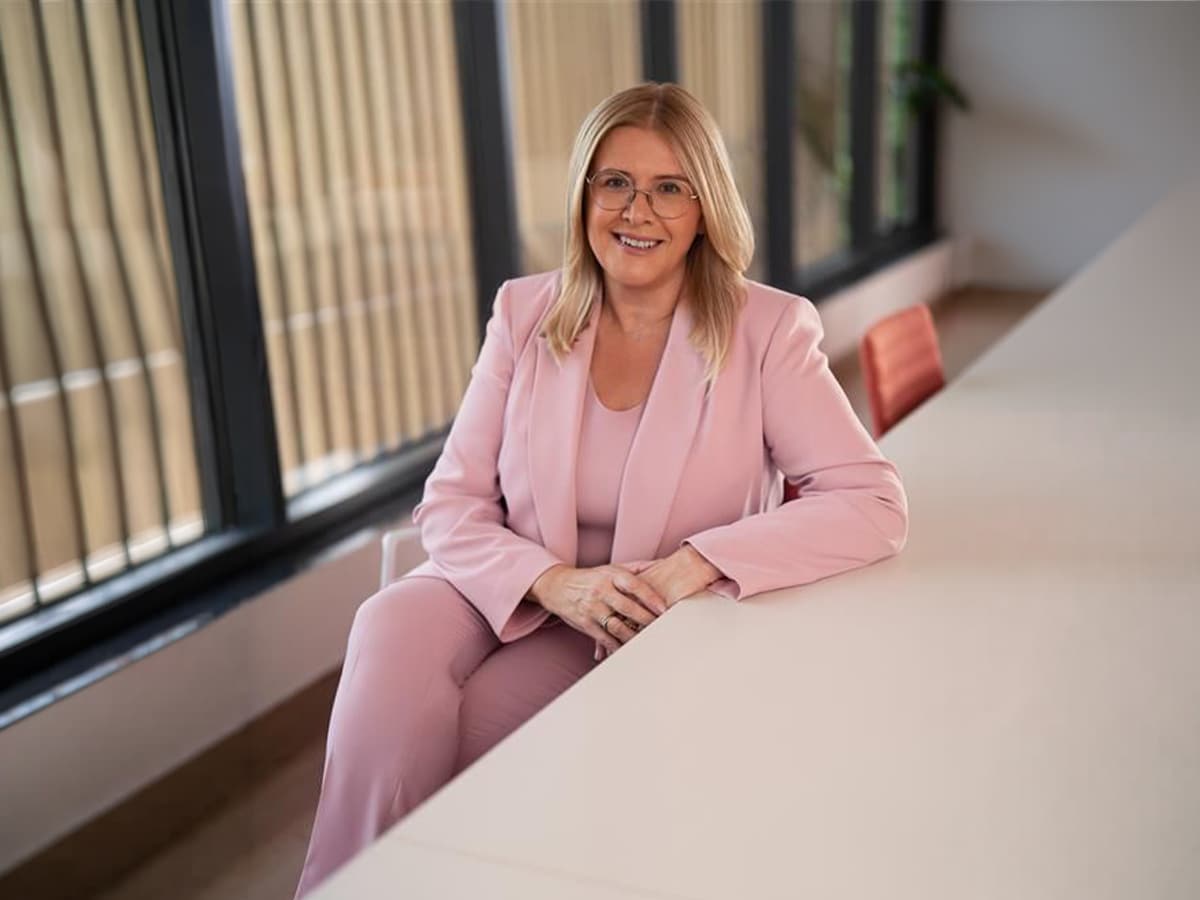
Forbes India spoke with Edyta Kurek, Senior Vice President and Head of Oriflame India and Indonesia, about what this model means for people looking to build something of their own.
Q: Edyta, you have spoken often about the Oriflame model being an alternative to both the traditional 9-to-5 job and the conventional startup route. How do you explain the difference to someone who has never encountered social selling before?
Starting a business often requires capital, infrastructure, and networks that aren’t always accessible. A corporate job offers safety, but growth is typically structured. Family businesses provide continuity but may not offer the same level of independence for everyone. What we offer is a middle ground – a business platform that allows people to build something of their own without choosing between those extremes: micro-entrepreneurship. When someone joins as a Brand Partner, much of the heavy lifting is already done. The products are already in place – developed through decades of Swedish R&D, manufactured to global standards, and backed by an established supply chain. The brand operates in more than 60 countries, bringing credibility and scale. What the individual brings is themselves: their relationships, their drive, and their ambition. There is no large upfront investment, no inventory pressure, and no fixed working hours. People build at their own pace around their lives.
Read More
Q: You have described the model as fundamentally different from conventional retail. What do you mean by that?
In conventional retail, a company invests in shelf space, distribution, and advertising to drive consumer traffic. Our model works the other way around. Products reach people through someone they already know and trust – someone with personal experience of what they are recommending. That changes the nature of the transaction – it is not just a sale, but a recommendation from a trusted source. This is why we place strong emphasis on product quality, research, and safety from the beginning, ensuring our Brand Partners recommend products they genuinely believe in. There is also a different flow of value. In traditional retail, margins move through distributors and retailers. In our model, a significant portion of the value generated flows directly to Brand Partners. Today many of them run their operations from a smartphone, whether in metro cities or smaller towns, without the overhead of a physical shop. This makes entrepreneurship far more accessible.
Q: You’ve spoken about the “Livelihood” goal within the UN Sustainable Development Goals (SDG 8 on Decent Work and Economic Growth), and also about women’s empowerment – with over 80% of Oriflame’s Brand Partners in India being women. How does a beauty product translate into a sustainable livelihood?
I often say that Oriflame is an unselfish business model because our growth is inseparable from the growth of the people in our network. When a Brand Partner earns more, we earn more – there is no scenario where the company grows while the people within it do not. A significant portion of value, which in traditional structures would go into advertising or billboards, flows directly into our network. So, we are not just building our corporate P&L; we are enabling millions of households to build their own. Every product sold represents an opportunity to generate income and build a sustainable livelihood – supporting micro-entrepreneurs, including specially abled individuals running their own businesses, and strengthening household incomes. The model also proves that, in an era of AI and automation, there is irreplaceable power in human trust and community. For many, this journey becomes a masterclass in business strategy and leadership, enabling them to go on to build ventures of their own over time.
Over 80% of our Brand Partners in India are women. There is flexibility without penalty, allowing them to build around their own schedules. Women can work around family responsibilities while creating meaningful income, often changing their families’ trajectories. That shift – from dependence to independence – is the structural heart of our model.
Q: Social selling is often misunderstood. What would you say to someone who is skeptical?
In today’s digital age, a brand cannot survive on hype alone; if the product does not deliver real value, no amount of promotion can sustain it. At Oriflame, everything begins with product experience – because customers purchase repeatedly only when they see real value. Every product has a face attached to it in the form of a Brand Partner who personally recommends it, stays connected with the customer, and helps guide what works for them; that level of personalization is hard to replicate. The flow of value is also different. In conventional retail, margins sit with distributors and retailers; here, a defined portion goes directly to the Brand Partner – making it about product experience and sustainable livelihoods, not recruitment. Social selling is also not merely a hobby. Many Brand Partners are professionals, including doctors and engineers, who value autonomy, flexibility, and uncapped earning potential.
Q: For someone reading this who has never run a business before, how do they actually begin?
They begin exactly where they are. We don’t ask for formal qualifications, prior experience, or significant investment. Most people start by sharing products with people they already know – family, colleagues, and friends. From day one, Oriflame provides training on the products, how to have honest conversations about them, and how to grow a network gradually. As confidence grows, the scope of what people do grows with it. They build teams and develop skills in leadership and financial management that extend well beyond this model. The barrier to entry is low by design because we believe the ability to build a livelihood should not depend on where someone started.
For Kurek, this reflects a broader shift in how people approach work today – a model that rewards effort in proportion to value created, redefining entrepreneurship in a modern economy.
The pages slugged ‘Brand Connect’ are equivalent to advertisements and are not written and produced by Forbes India journalists.