
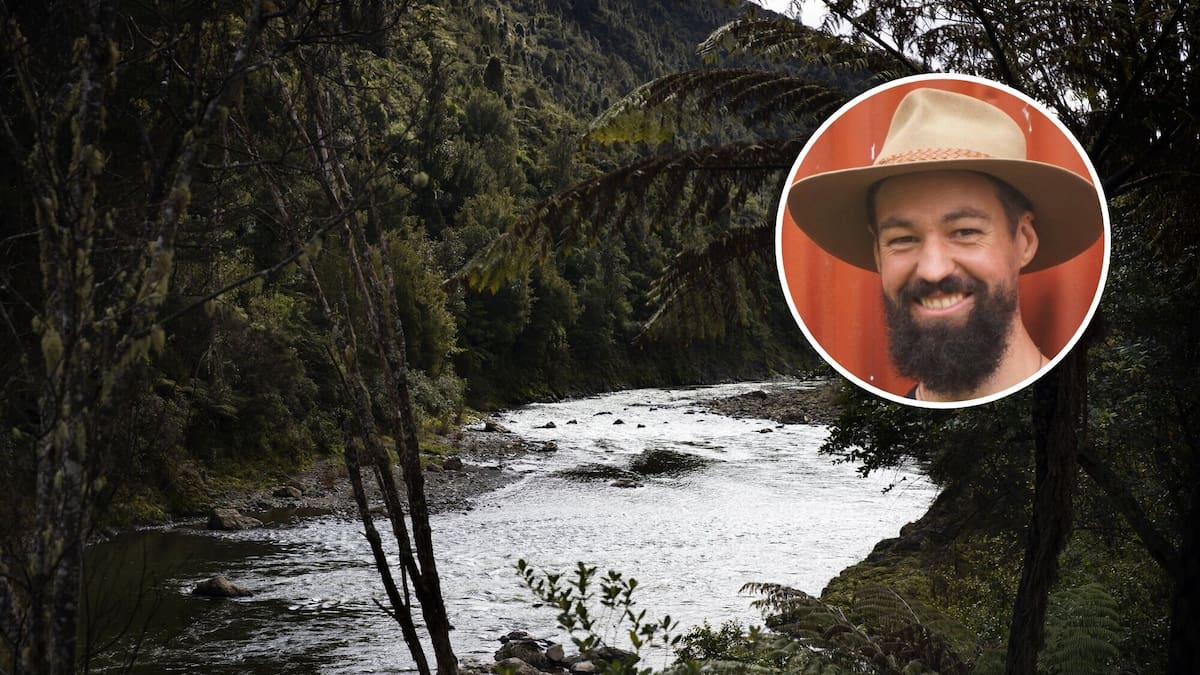
“It’s not a pet that has gone missing. It is not a hunting dog that has got lost. They’re not dogs that have been dropped off at the road end. They may have started off as that, but these packs of dogs are wild-bred and multigenerational.”
Gibson said that while they hadn’t seen dogs preying on kiwi or whio specifically, they had observed a “devastating” negative correlation with dogs and a decline in the birds’ populations in other regions.
Some people commenting on the original post from Eastern Whio Link thought they saw a collar on one of the dogs in the attached video, but Gibson said none of the dogs was wearing a collar.
He said a Gisborne farmer had reached out since the post had gone up to alert the group to a pack of wild dogs worrying stock on their property.
He said it was important to share footage and photos of the dogs so the public was aware, but cautioned against people taking matters into their own hands.
“We are working really closely with the Department of Conservation. They were the ones who brought this particular pack of wild dogs to our attention.
“We want people to be cautious, make sure they contact either ourselves or the Department of Conservation.
“It can be useful, and we need them to be confident in their IDs because the last thing we want is for people to be shooting deer-chasing dogs or pig dogs.”
Under section 59 of the current Dog Control Act 1996, any dog that is at large and is an immediate disturbance or threat to any protected wildlife can be seized or destroyed by the occupier or person in control of the land it is on, or any constable, dog control officer, or dog ranger acting with the consent of that person.
Matt Tong, DoC operations manager Tairāwhiti, said uncontrolled dogs could pose risks to wildlife, livestock and public safety.
“We are especially concerned about kiwi and whio in the Waioweka area.”
Tong advised members of the public to keep their distance, as uncontrolled and feral dogs could be dangerous.
“If you are able to safely get photos, descriptions and locations, please contact us at 0800 DOC HOT (0800 362 468).”
Regarding the four dogs, he said: “Three are black or dark in colour with white markings, while one of the younger dogs has more white than the others.
“This is a good reminder that dogs are only allowed in Waioweka Conservation Area with a permit including kiwi avoidance training, and must always be under control. If you lose your dogs on conservation land, please let us know on 0800 DOC HOT (0800 362 468).”
Dog Control Act under review
Dog attacks at homes and in urban areas have prompted the Government to order a “comprehensive” review of the Dog Control Act to crack down on roaming and uncontrolled dogs.
The scope of the review, announced on Saturday, was being considered, and Minister of Local Government Simon Watts, Minister for Police Mark Mitchell and Minister for Conservation Tama Potaka, in a joint statement, said it would include looking at current clauses which may impose barriers or resource pressure on councils, as well as penalties and consequences for non-compliant dog owners, desexing obligations and stronger powers for council officers.
Local Government New Zealand (LGNZ) welcomed the review, with LGNZ president and Gisborne Mayor Rehette Stoltz saying councils had told LGNZ an overhaul of the act would have the greatest impact, and that they required stronger, proactive powers.
“One council we spoke to was preparing to prosecute the owners of two dogs, but couldn’t legally hold the animals in the meantime,” Stoltz said.
“One of those dogs then went on to attack someone. Changes need to prevent instances like this.”
Stoltz said LGNZ was pleased to see stronger police support for animal control officers in high-risk situations and updated enforcement guidelines for police.