
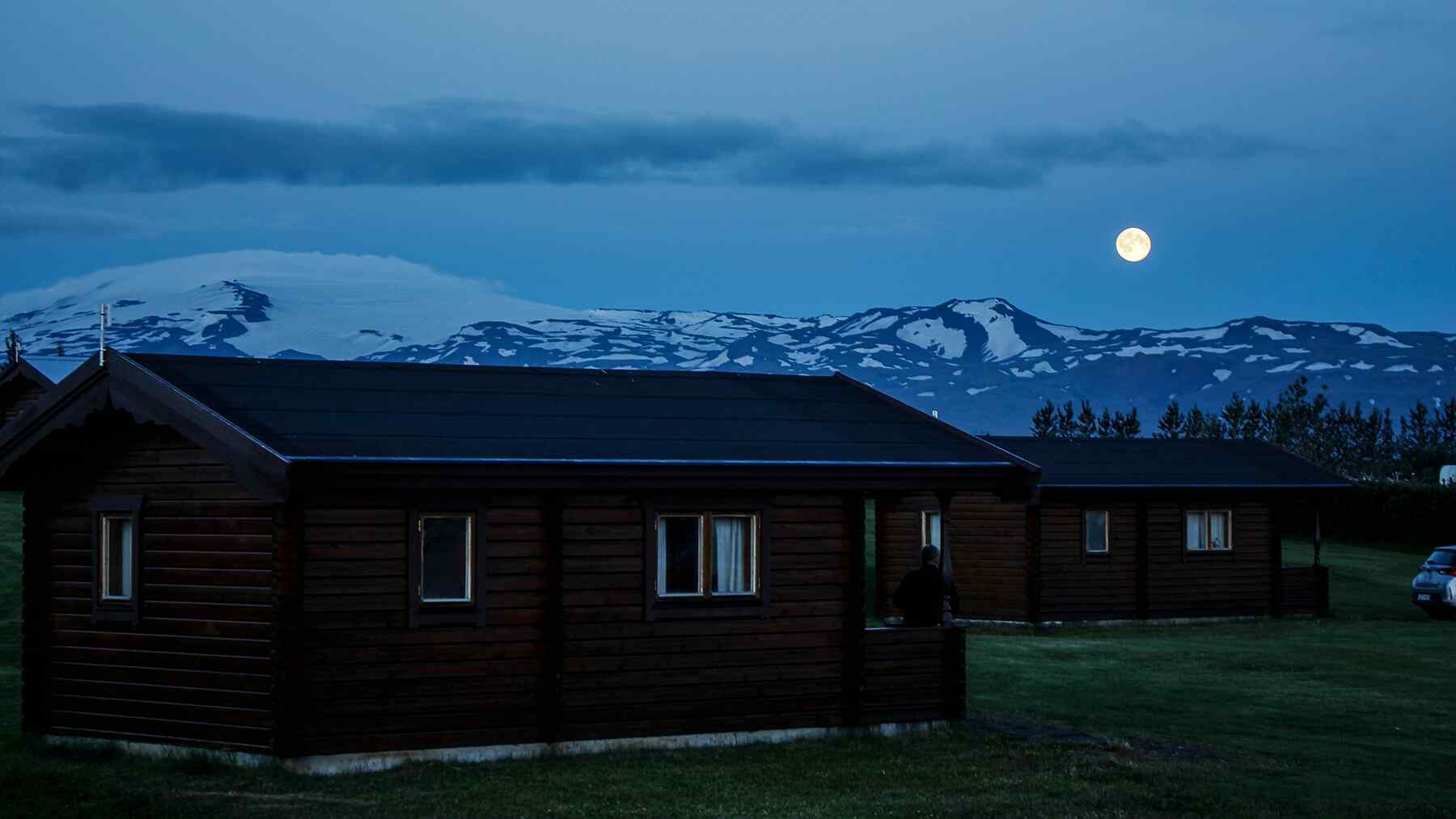
Iceland has become a major force in the renewable energy industry.
Most nations around the world have been working on the energy transition away from fossil fuel-based energy, which has become more important as the current issues over oil supply develop in the Middle East. Clean energy has avoided millions of tons of harmful emissions.
How far has your city or state come in adopting renewables?
How clean energy generation has taken over the global power industry
Thanks to the continued efforts of world leaders, the adoption of renewable energy as a main resource has covered the globe.
The global solar power sector has grown by leaps and bounds in recent years. Solar power generation has steadily doubled every two years over the last decade.
2025 was predicted to be the first year in history where the amount of fossil-fuel-based energy did not rise.
According to the International Energy Agency, global power industry emissions are expected to plateau over the coming years as more and more nations turn to the renewable energy industry.
Thanks to the progress in using renewables, we can now state that for every $1 invested in fossil fuels, $2 is invested in the renewable energy industry.
Even the clean energy sector has changed over the last decade
As more and more nations are turning to the renewable energy sector at a rapid pace, new types of clean energy generation systems are being developed.
Physicists have dived into the world of energy crystals that may hold the key to a new era of renewable energy generation. But as we know, not everything that shines is made of gold.
While the economic costs of renewable energy generation have plummeted, there are still a few concerns that need to be addressed by the clean energy industry.
Many nations have opted to search deep beneath the Earth’s crust to find the next major energy resource to power the cities of tomorrow. Geothermal heat can be converted into energy with the right tech and mindset.
Europe has been a welcoming destination for the renewable energy industry.
Nations like the UK and Germany have developed significant clean energy initiatives that have transformed the national energy grid and how they approach energy generation overall.
The Government of Iceland has recently made an astonishing announcement that will leave the rest of the world scrambling to catch up.
Iceland has raised some relevant concerns over the geothermal energy sector
Iceland has become a shining light in the darkness of the current energy industry.
The nation has developed its renewable energy sector to such a point where it now contributes roughly 85% of its total energy and, more importantly, 100% of its electricity from renewable energy resources.
The glitter of the renewable energy market in Iceland has been fading in recent times, especially as the energy costs of the AI revolution become clear.
Iceland uses geothermal district heating for roughly 90% of its households. But the unforeseen costs of scaling up geothermal energy production have become clear to the government.
Overuse of geothermal energy in Iceland has raised alarm bells
The problem that has emerged is that if nations like Iceland rely solely on geothermal energy. The fields that hold the resource could become unsustainable, needing years or perhaps even decades to recover.
Sulfur emissions from geothermal fields have been linked to significant health problems in the region as well as the corrosion of electronics in nearby towns. So the reality is that even though Iceland has become the home of renewable energy, problems still exist.
New alternatives in renewable energy systems may be the answer to Iceland’s issues, but that is neither here nor there. Would you welcome geothermal energy to power your home?