
WASHINGTON (TNND) — The Centers for Disease Control and Prevention (CDC) issued a global travel alert for dengue, warning that travelers returning to the U.S. are testing positive for mosquito-borne illness.
The advisory was issued on Monday and is classified as a “Level 1” notice, which is the lowest level, urging travelers to “practice usual precautions.”
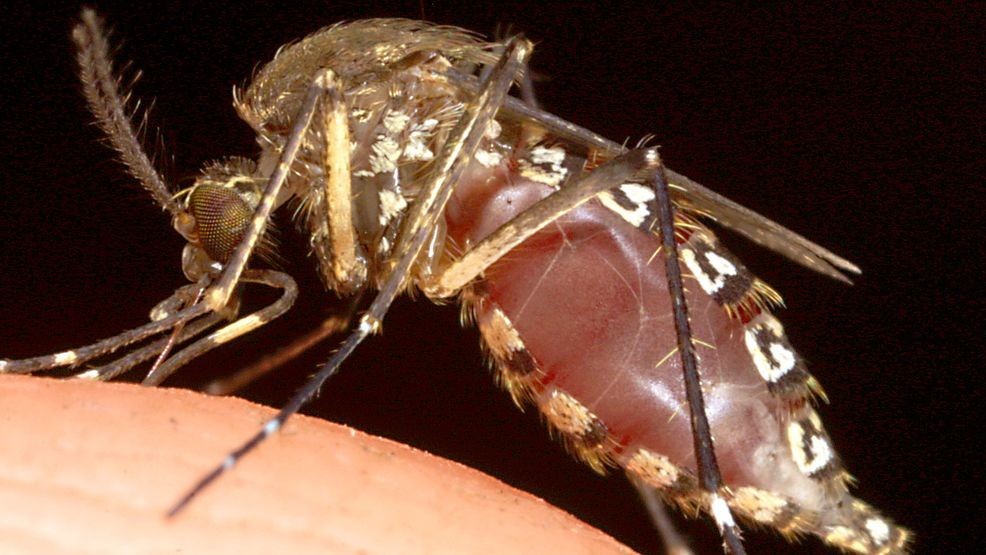
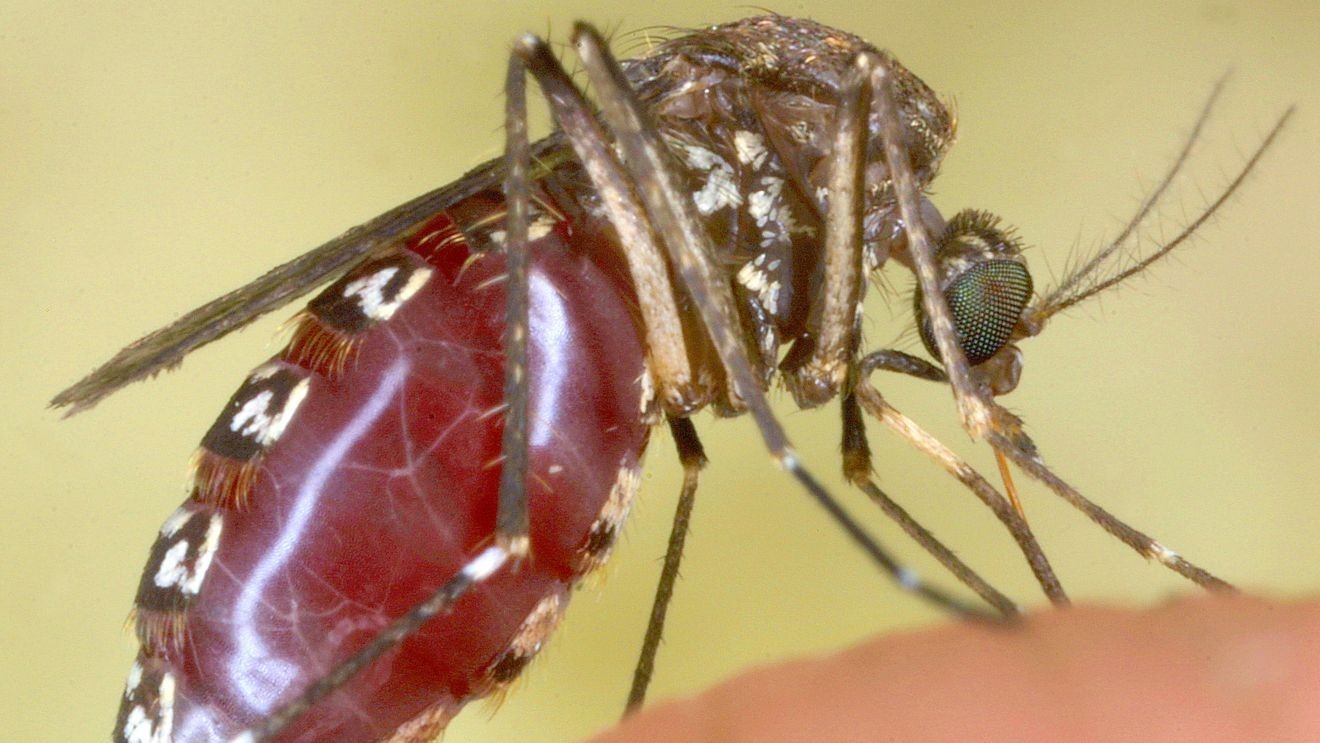
FILE – The body of a female mosquito fills up and balloons as she sucks blood from a photographer’s hand at Everglades National Park August 12, 2002 in Flamingo, Florida. (Photo by Tom Ervin/Getty Images)
Dengue — also known as “dengue fever” or “breakbone fever” — is spread through the bite of an infected mosquito. Fever, headache, nausea, vomiting, muscle and joint pain, rash, and minor bleeding are among the symptoms.
In some cases, it can be deadly, with symptoms such as hemorrhaging or uncontrolled bleeding, seriously low blood pressure, and organ failure.
“Although dengue is sometimes known as ‘break-bone fever’ because of the severe body aches it can cause, most people who get infected with the dengue virus have no symptoms or only mild illness,” the CDC said.”Most people who do have dengue symptoms recover within a week,” the agency added. “However, dengue can also be severe and life-threatening, especially in children, older people, and people with underlying health conditions.”
Health officials said dengue is a year-round risk in many parts of the world, with some countries currently “reporting higher than usual numbers of cases” or increased infections among U.S. travelers returning home.
The CDC identified several countries where the risk is elevated, including the following:
AfghanistanBangladeshBoliviaColombiaCook IslandsCubaGuyanaMaldivesMaliMauritaniaNew CaledoniaPakistanSamoaSudanTimor-LesteVietnam
There have been more than 525 cases in the U.S. so far in 2026, the CDC said.
To reduce the risk of infection, the CDC recommended that travelers use insect repellent, wear long sleeves and pants, and stay in places with air conditioning or window screens to avoid mosquito exposure.
Dengue is widespread globally, with nearly half of the world’s population living in areas where the disease is present, according to the CDC.
Officials emphasized that the advisory does not call for canceling travel plans, but serves as a reminder to take precautions, particularly when visiting tropical and subtropical regions where outbreaks occur periodically.