
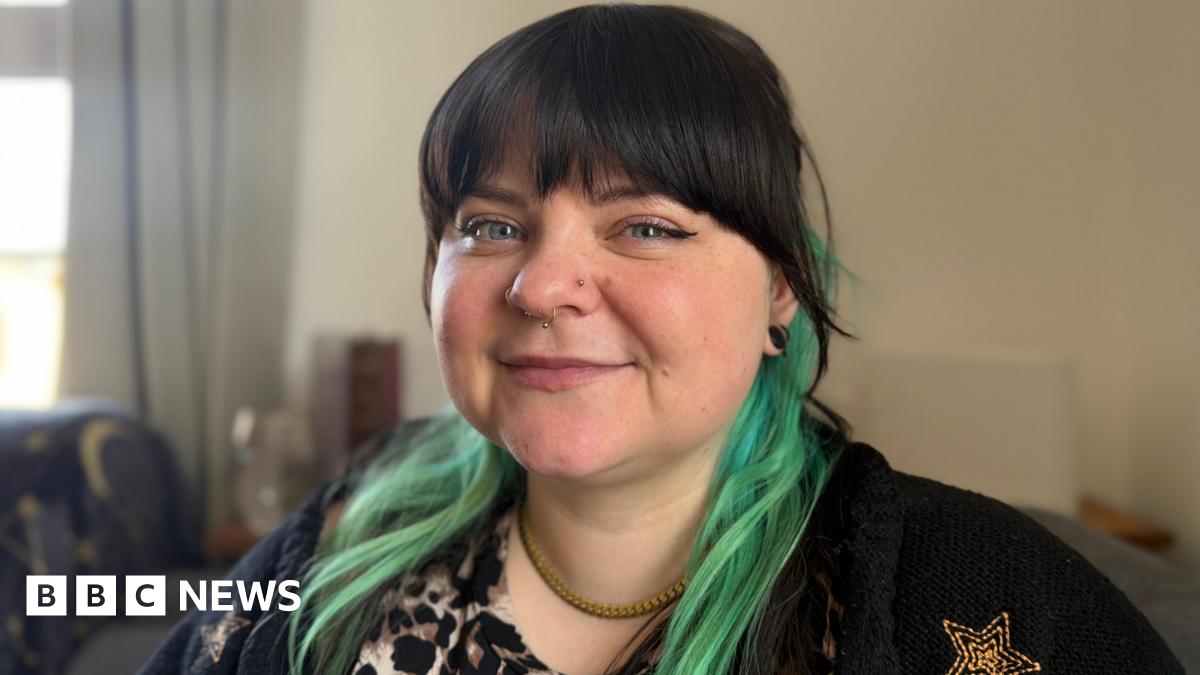
Bush took out a credit card in her late teens to pay for a trip to Rome in instalments.
After later realising she was unable to pay for the trip using the credit card, she began using it for other “impulsive” spending that felt manageable to pay off at the time, which she linked to the dopamine-seeking nature associated with ADHD.
She felt juggling online subscriptions and keeping track of repayments to lenders was “a lot of mental clutter” and typical budgeting methods did not work for her.
“It’s not for lack of trying. I’ve budgeted all my life and it just doesn’t click,” she said.
Bush accrued thousands of pounds of debt across numerous lenders and eventually sought help from the debt advice charity StepChange.
“With StepChange, it’s just keeping track of one balloon,” she said.
With the charity’s help, Bush has paid off more than half of her debts.
“I can start again. I can do it better this time. I’ve got more knowledge, I’ve got my diagnosis,” she said.
Research by StepChange found 97% of neurodivergent respondents said their condition made managing money harder and 85% of those identified with ADHD, external.