
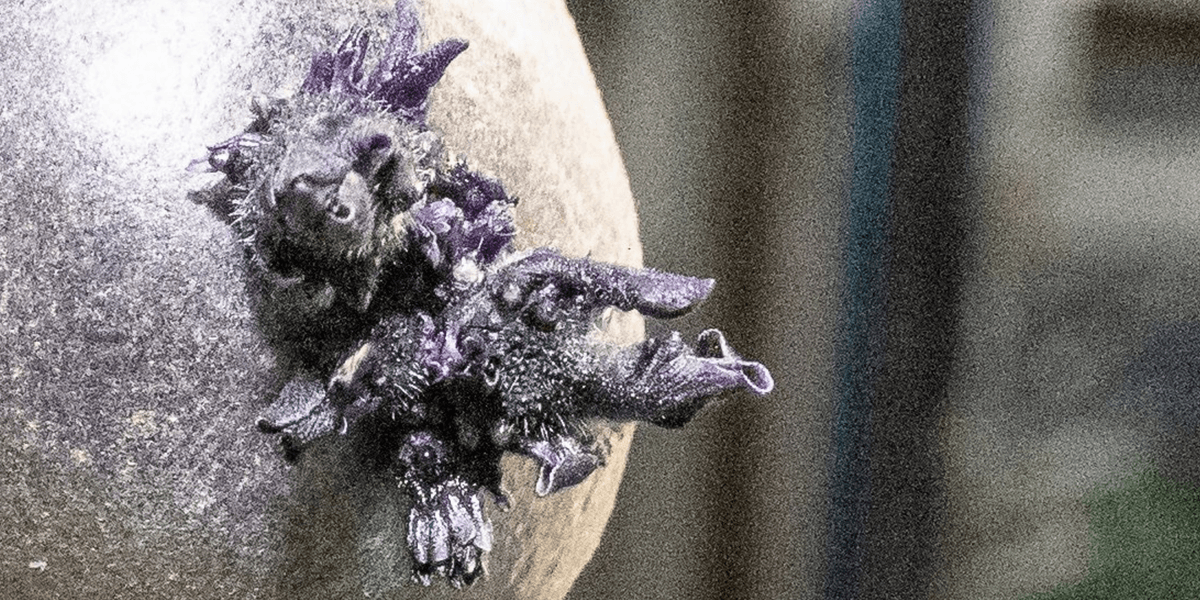
A Nasa astronaut has shared a photo of a bizarre looking twisted purple growth from on board the International Space Station (ISS).
Don Pettit, a chemical engineer and Nasa’s oldest astronaut in space, snapped the photo during Expedition 72, which spanned from September 23 2024 until April 18 2025.
Social media users were left puzzled by a purple-black tentacle-like protrusion at the heart of the photo.
But the reality of Mr Pettit’s image was far more mundane: a potato.
The astronaut said the potato had been named Spudnik-1 – after the Soviet spacecraft Sputnik.
When he shared it online, a commentator joked it looked like a “mimic hatching out of an egg,” a reference to the 2017 science fiction video game Prey.
He said: “I flew potatoes on Expedition 72 for my space garden, an activity I did in my off-duty time.
“This is an early purple potato, complete with spot of hook Velcro to anchor it in my improvised grow light terrarium.”
Mr Pettit explained why he took his off-duty time to study potatoes.
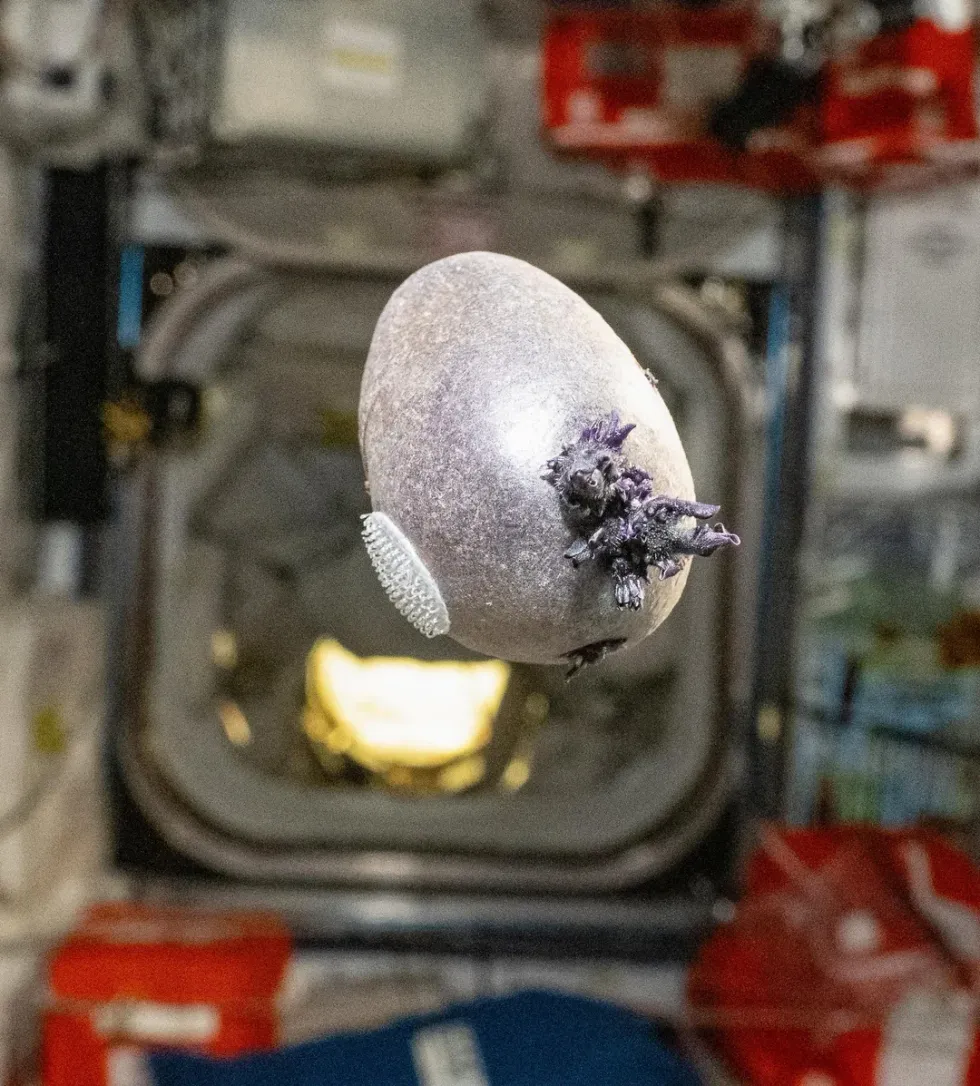
The potato, nicknamed Spudnik-1, has a purple root protruding from it and velcro attached to it
|
NASA/DON PETTIT
He added: “Potatoes are one of the most efficient plants based on edible nutrition to total plant mass (including roots).
“Recognised by Andy Weir in his book/movie ‘The Martian’, potatoes will have a place in future exploration of space.
“So I thought it good to get started now!”
In the film The Martian, adapted from the book of the same name, Matt Damon portrays biologist Mark Watney who successfully grows potatoes on Mars to eat.
LATEST FROM OUTSIDE OUR ATMOSPHERE:
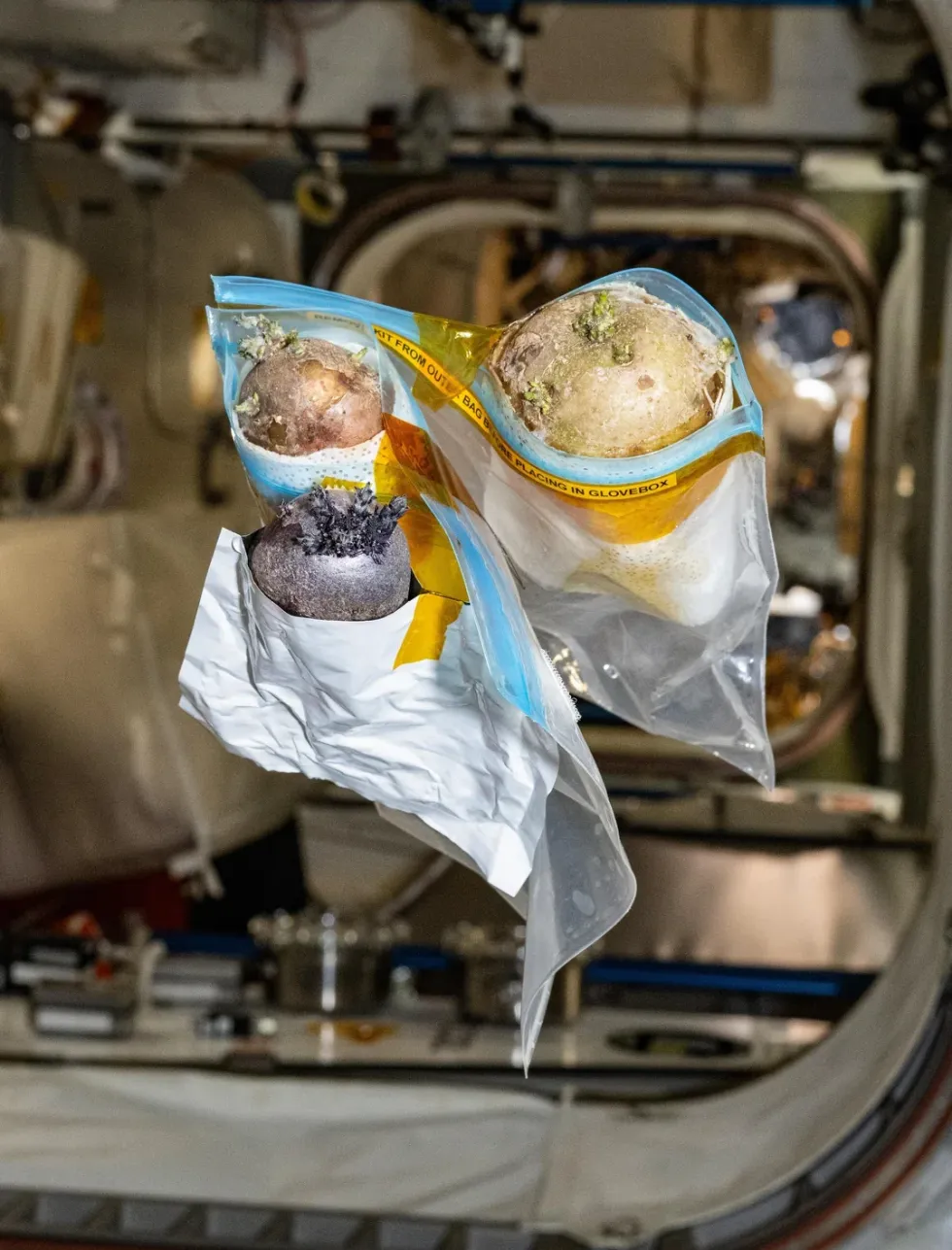
Don Pettit grew plants in his free time onboard the ISS – which he said all grow more slowly than on Earth
|
NASA/DON PETTIT
A recent study has shown potatoes could grow on the Moon, with the help of human waste and compost originating from Earth.
One fan asked Mr Pettit, also known for his photography, how it compared to growing potatoes on Earth.
He responded: “The roots would grow in all directions absent gravity, and all plants I have ever grown in space have grown far slower than they would have on Earth.”
Responding to another social media user, Mr Pettit said he was unsure why plants grow slower, but said it was likely “stress-induced”.
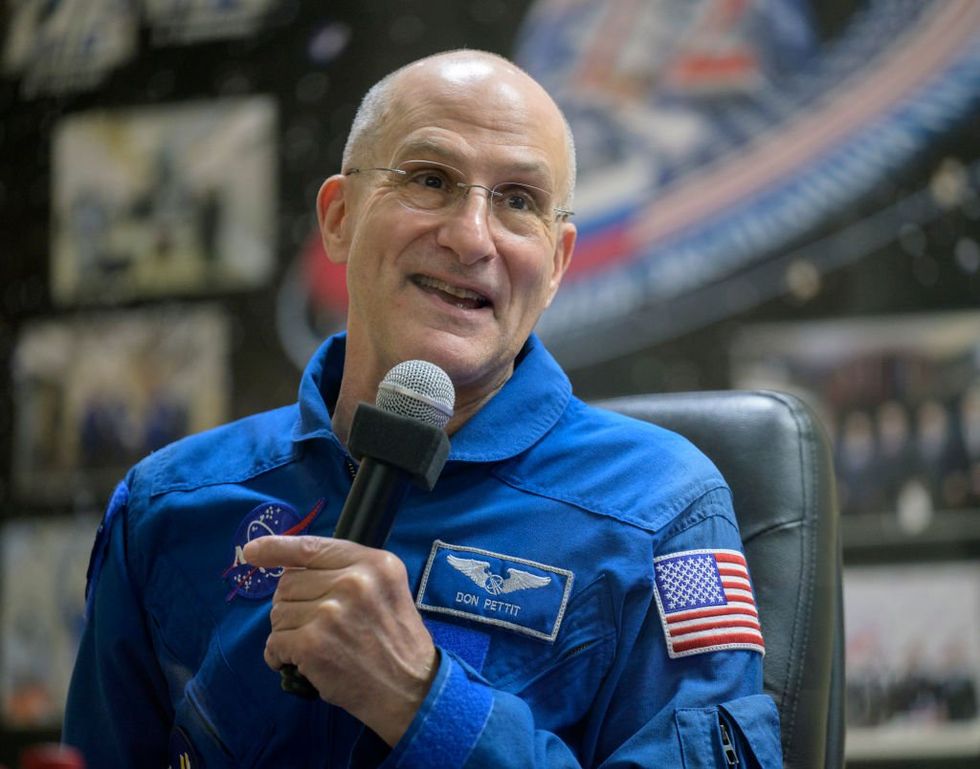
Don Pettit is a chemical engineer and known for his astrophotography, which he often shares on social media
|
NASA
Astronauts have tested growing a number of fruits, vegetables and flowers on the ISS.
Foods successfully grown by the agency include lettuce, Chinese cabbage, mizuna mustard, red Russian kale and zinnia flowers.
Nasa has said more produce is planned to be planted in the future, including tomatoes and peppers.
Antioxidant-rich foods such as berries could also be useful in astronaut diets, with the added benefit of providing some protection against space radiation.