
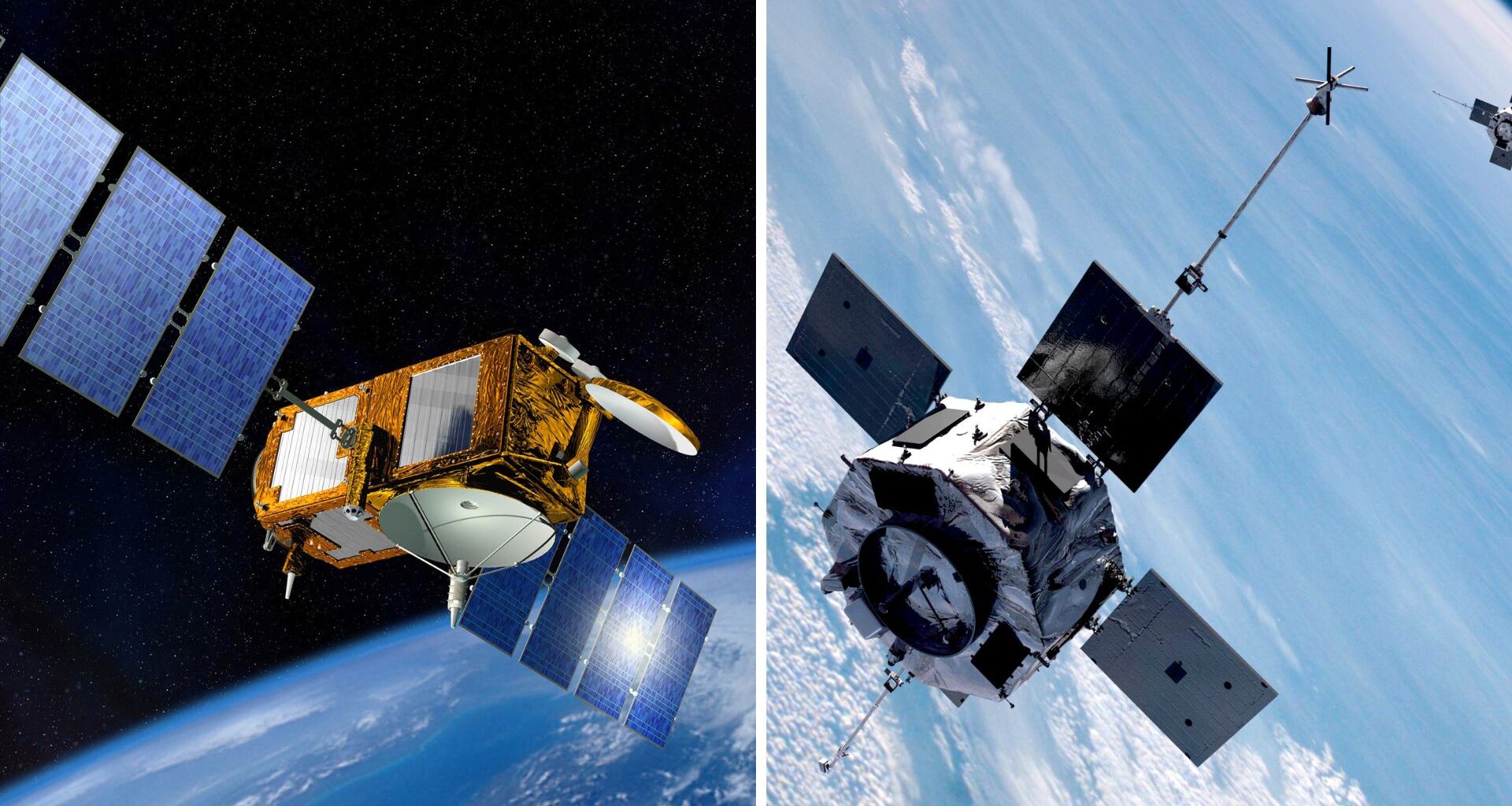
A significant step in satellite propulsion is paving the way for a new era in space technology. The new efforts in air-breathing electric propulsion (ABEP) systems promise to revolutionize how satellites operate—especially in extremely low Earth orbits.
Conventional satellites rely on onboard fuel to maintain their orbit and perform maneuvers. However, this approach comes with limitations: fuel adds weight, restricts mission duration, and increases costs. Over time, satellites lose altitude due to atmospheric drag and must expend fuel to stay in orbit.
Innovation allows satellites to operate sustainably at very low altitudes
The newly developed air-breathing electric propulsion (ABEP) system challenges this model by eliminating the need for traditional propellant. Instead, it collects and uses residual atmospheric particles as fuel. This innovation allows satellites to operate sustainably at very low altitudes, known as Very Low Earth Orbit (VLEO).
At altitudes between roughly 180 and 250 kilometers, traces of atmospheric gases are still present. The ABEP system captures these particles, ionizes them, and accelerates them to generate thrust.
This process offers major advantages including no onboard fuel requirement, reducing launch mass and virtually unlimited propulsion, as long as atmospheric particles are available.
System passed a key design review
The system has recently passed a key design review, confirming both its technical feasibility and readiness for further development.
The project “Cathodeless Electric Propulsion Thruster for Air-Breathing Electric Propulsion Systems” is carried out by TransMIT GmbH.
IQM is leading the development of a cathodeless electric propulsion (EP) thruster under ESA funding, aimed at removing the need for external neutralisers in atmosphere-breathing systems. The goal is to design, manufacture, and test a prototype thruster capable of stable operation with Earth’s atmospheric gases (N₂/O₂ mixtures), achieving at least 50% electrical efficiency and a minimum specific impulse of 4200 s.
This activity builds on feasibility studies and technology trade-offs carried out at IQM, which identified the most promising concepts for cathodeless EP operation in reactive, oxygen-rich environments. A prototype is now under construction, with testing planned in vacuum facilities capable of reproducing Very Low Earth Orbit (VLEO) conditions.
The propulsion system integrates the most promising solutions for this specific target: a traditional high-frequency ion thruster with unique cathodeless functional characteristics, eliminating the need for a cathode assembly, which, while a critical component for ion thruster operation, has proven difficult to implement in the ABEP concept, according to a report.
This achievement represents a significant milestone in European efforts to develop next-generation propulsion systems that will enable sustainable satellite constellations in extremely low orbits by using particles from the atmosphere as fuel for the engine to compensate for the drag that these very particles exert on the satellite.
Air-breathing propulsion
The adoption of air-breathing propulsion could significantly reshape the satellite industry. With longer mission lifespans and reduced dependency on fuel, satellite operators can lower costs and improve efficiency.
While still under development, air-breathing propulsion represents a major leap toward sustainable and efficient space operations. As testing progresses and the technology matures, it may soon enable a new class of satellites capable of operating closer to Earth than ever before.
In essence, this innovation marks not just an incremental improvement—but a fundamental shift in how we think about propulsion in space.