
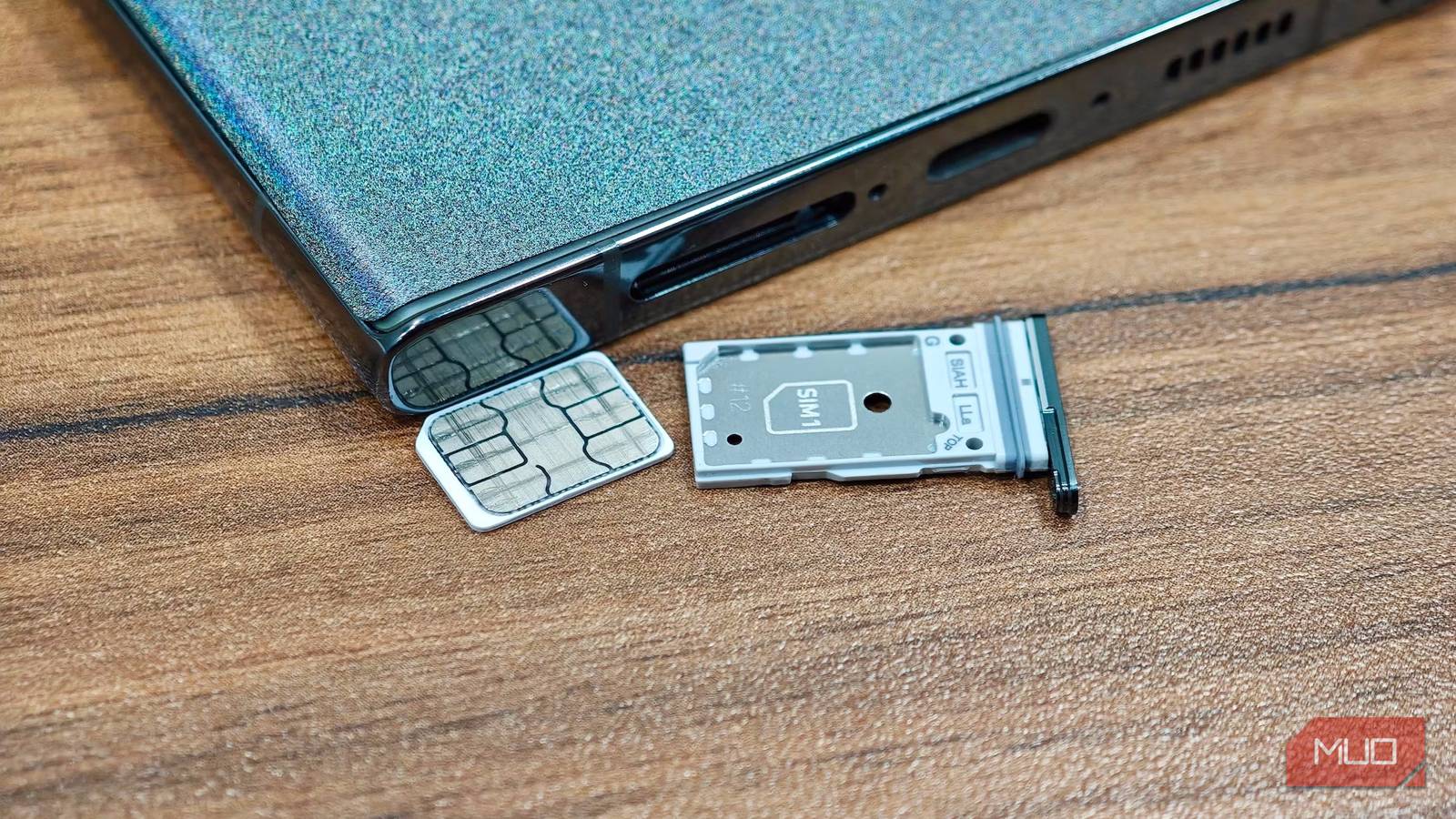
Losing features is always difficult to accept, which is why the disappearance of physical SIM card trays on iPhones and Google Pixel phones in the U.S. is understandably troubling. Still, many see the advent of eSIM technology as an upgrade. By loading a cellular profile to an embedded SIM (eSIM) already inside your device, you are able to activate it without going to a store or waiting for a SIM card to arrive in the mail. It’s easier to switch carriers or buy a travel eSIM abroad, and it’s impossible for thieves to tamper with an eSIM like they might a physical SIM card.
I respect the on-paper advantages of eSIM technology, but the drawbacks seem to outweigh the benefits. For starters, eSIM technology gives your cellular carrier all the control. Carriers approve eSIM transfers, authorize devices, and tell you which devices you can and can’t use your eSIM inside. When I use a physical SIM card, no one can stop me from inserting a SIM-eject tool, removing my card, and swapping it into another device. That flexibility can’t be understated, and it’s why I use physical SIM cards even though all my devices support eSIM.
Related
eSIM is amazing right up until this happens to you
Removing one tiny piece of plastic quietly removed a few useful tricks too.
Quick, instant device switching
Don’t rely on your carrier for eSIM transfers or accept delays
Pankil Shah / MakeUseOfCredit: Pankil Shah / MakeUseOf
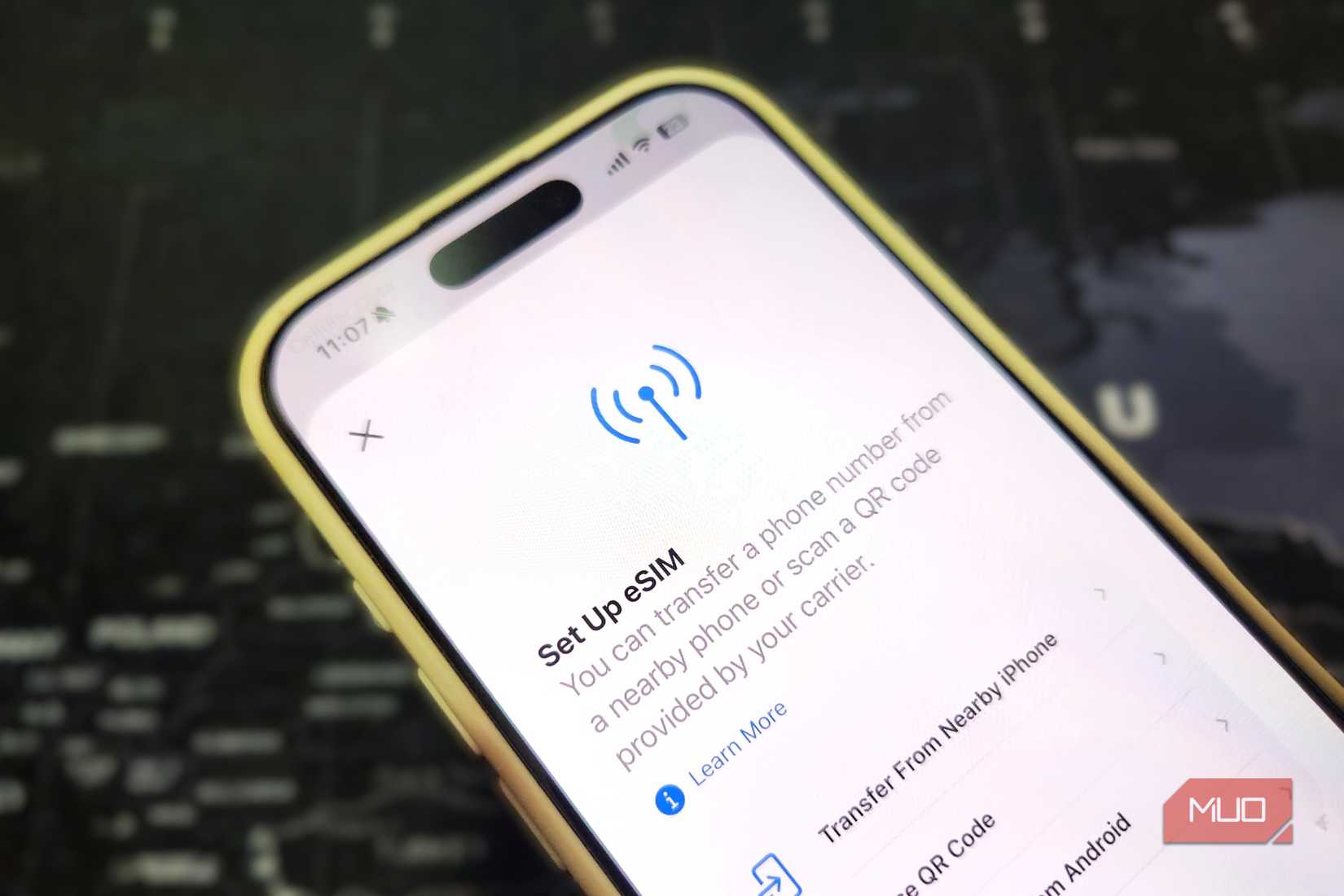
The simple advantage of using a physical SIM card is instant and unrestricted device switching. If you have two phones with a nano-SIM slot, all you need is a SIM-eject tool — or a paperclip — to move a SIM card between those devices. I swap physical SIM cards all the time, and it literally takes seconds to do. The same can’t be said about eSIM transfers. Even if you have both devices right in front of you, eSIM transfers take minutes and rely on carrier servers to complete. You need a Wi-Fi connection to activate them.
In the meantime, both devices will be without service. During an eSIM transfer, you’ll completely lose cellular service, which can pose a few serious problems. If something goes wrong with the eSIM transfer, you won’t be able to contact your carrier for help by phone. More importantly, crucial two-factor authentication codes you might require to make changes to your account or access other critical services won’t arrive as text messages. In other words, you’re left without access to your entire digital life for minutes while an eSIM transfer completes.
Relying on carrier-hosted cloud services presents another issue. If your carrier suffers an outage, like the major ones we’ve seen from AT&T, T-Mobile, and Verizon in recent years, eSIM transfers cannot be processed. Even if a carrier’s cellular network is active, issues with the carrier’s backend infrastructure could prevent eSIM authorizations from going through. Meanwhile, when swapping physical SIM cards, there is no downtime, and you’re at the whim of fewer points of failure on the carrier side.
Compatibility with tablets and laptops
Why pay for separate eSIM plans when you can move a SIM card instead?
Everyone knows that physical SIM cards can be easily swapped between phones, but did you know they can also be seamlessly inserted into other device types? You can take a SIM card out of a smartphone and put it into a dedicated 5G hotspot without issue. You could also swap a SIM card from a phone to a tablet, like an older iPad or a modern Microsoft Surface Pro. If you have a laptop with a nano-SIM card slot, like a Lenovo workstation, you can similarly move a physical SIM card from your phone to your laptop in a snap. eSIM transfers will never work the same way, due to the complexity, downtime, and carrier authorization processes required.
Carriers want you to use a dedicated cellular line for each device you own. If they can bill you for a 5G connection for your phone, laptop, smartwatch, and tablet all separately, they will. In my case, adding a tablet connection to my 5G plan would cost a whopping $25 extra per month. Instead of paying that exorbitant monthly fee, I simply move my SIM card from my phone to my iPad Pro when I really need a cellular data connection on my tablet. This flexibility can’t be matched by eSIM, and it’s why I’ll hold onto physical SIM cards as long as I possibly can.
Related
My iPad has cellular data and I don’t pay extra for it — here’s the trick
This hack isn’t perfect, but it saves me $25 on my phone bill each month.
Broader device and carrier support
Carriers won’t authorize eSIM transfers to unsupported devices
Credit: Brady Snyder / MakeUseOf
eSIM makes it easy to switch between carriers and mobile virtual network operators (MVNOs), and it’s great for consumer choice. However, the carriers still hold an enormous amount of power over which device types and models can be activated. eSIM transfers work by a carrier receiving device identifiers, like IMEI and EID, and the carrier sending an eSIM profile to that device. That said, if a device isn’t on a carrier’s authorized list, it may not authorize the transfer. This limits which devices can be activated on your cellular network.
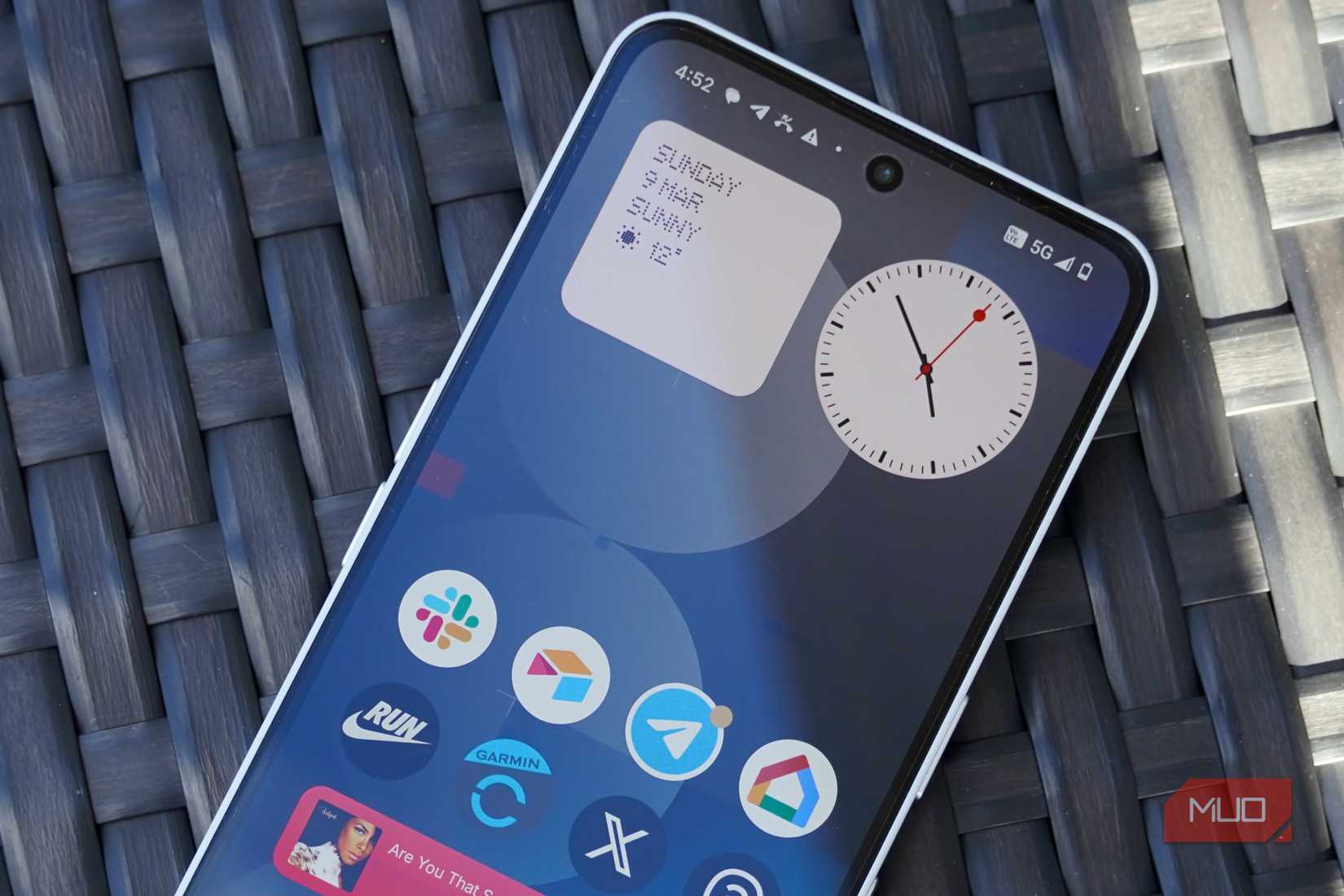
I encountered this firsthand while testing the Nothing Phone 3a Pro last year on AT&T, which doesn’t officially support this model. While the Phone 3a Pro supports eSIM, it can’t be activated on the AT&T network due to the carrier-side limitation. Despite the lack of official support, I inserted a physical SIM card into the Phone 3a Pro and received full 5G with VoLTE compatibility. Many devices will still connect to your cellular network with a physical SIM even if the device isn’t fully authorized. If you tried to use an eSIM, your carrier wouldn’t approve the transfer in the first place.
Additionally, some legacy and foreign carriers do not support eSIM, so using physical SIMs gives you slightly more flexibility in certain regions.
You can get the benefits of eSIM while keeping a card
eSIM is a great feature for some people, but it’s not a necessity for everyone. Many of the benefits of eSIM can be replicated on a phone with a physical SIM card tray. Want the security perks of an eSIM? Lock down your physical SIM card with a SIM PIN. Need to add a travel eSIM while vacationing abroad? You can keep your main line as a physical SIM and add a travel eSIM whenever you’d like, provided your phone supports both. You can tap into the benefits of eSIM while keeping your primary SIM as a physical card, and that’s the solution I recommend.
If you know your phone is supported on a network and don’t need to switch your cellular line between phones or tablets regularly, perhaps eSIM would be a good fit for your use case. However, your phone unexpectedly breaking is all it might take for you to wish you would’ve used a physical SIM.