
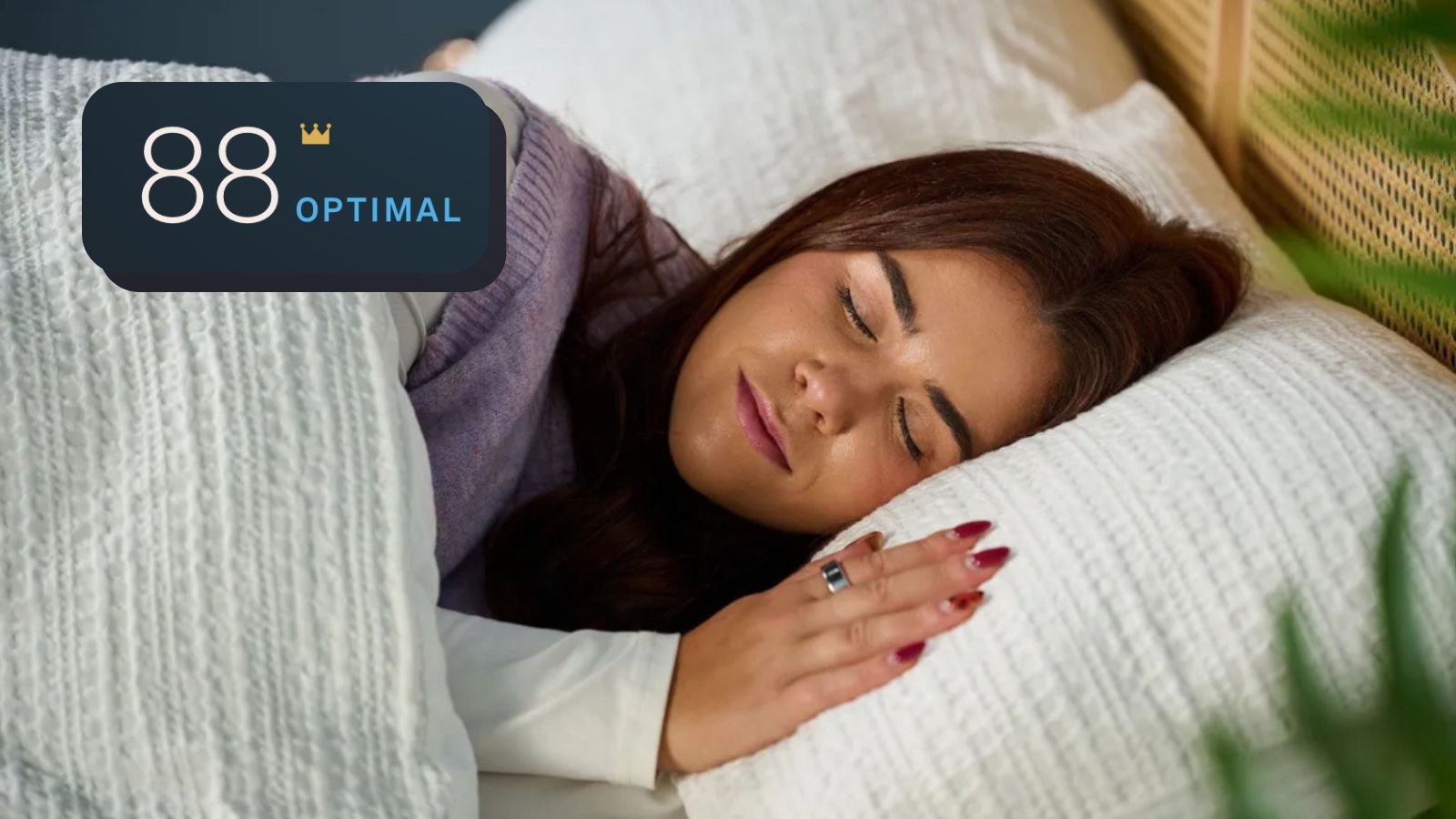
Fitness trackers are great tools for helping you hit your health goals. They remind you to move throughout the day, keep track of changes in your heart rate, keep you accountable around your step count and, for better or for worse, let you know when you’ve had a rough night sleep.
Although perfect sleep every night just isn’t viable, if you’re consistently waking up to poor sleep metrics on your sleep tracker and, crucially, you also feel groggy or under-rested, it could be time to think about brushing up on your sleep habits.
Article continues below
You may like
Today’s best Apple Watch 5 and Oura Ring 4 deals
My average sleep score
(Image credit: Future / Oura)
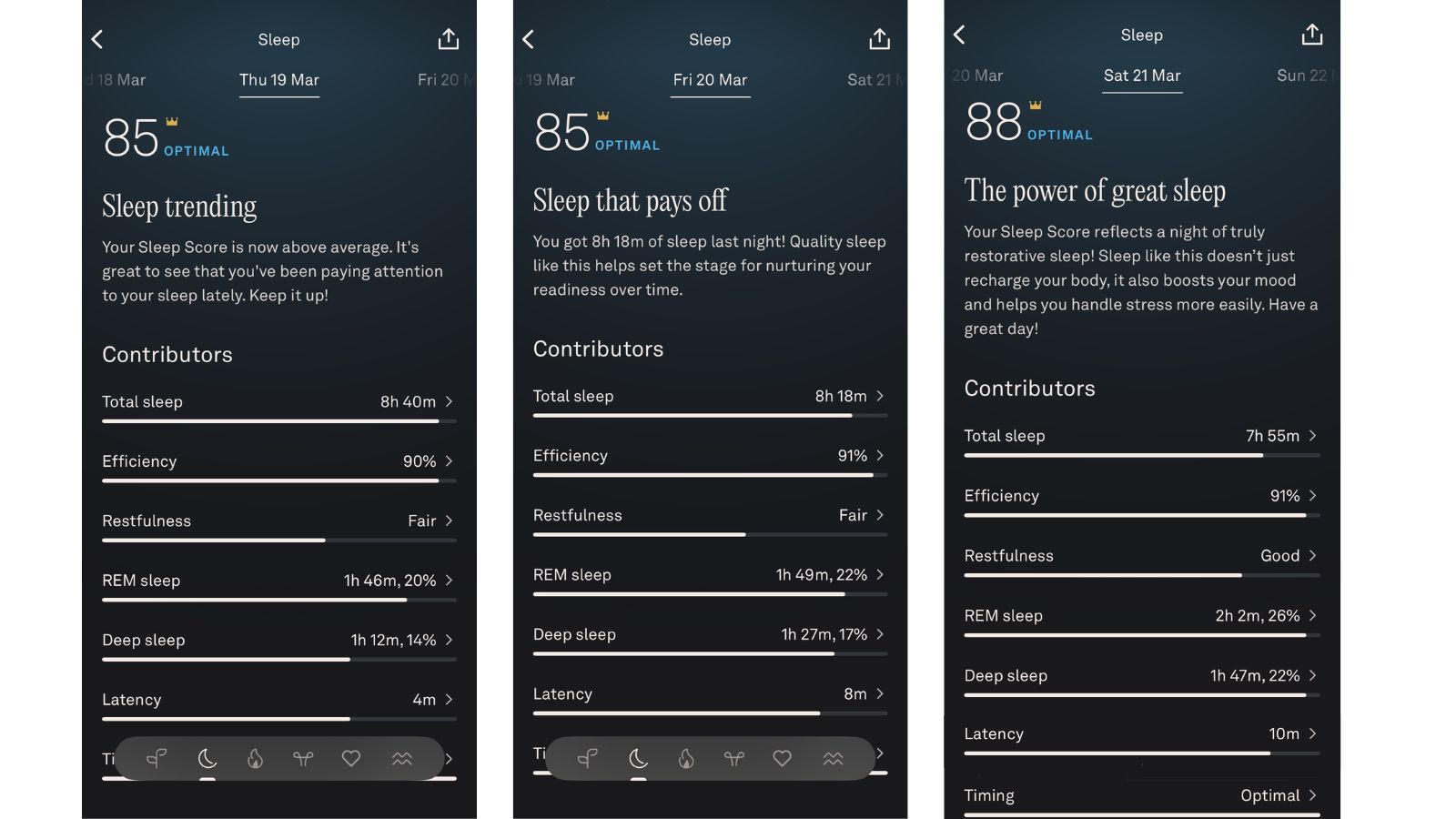
Thanks to a culmination of gadgets and healthy sleep habits, my sleep score comfortably sits in the 80+ bracket.
That means my Oura Ring sleep score usually sports a golden crown and my Apple Watch sleep score usually enters the ‘High’ or ‘Very High’ ratings (excuse the humblebrag — you’ll be to hear I’m sharing my sleep secrets here.)
Take my sleep reports from the end of last week for example. My average sleep latency sits between four and ten minutes, I spent at least 14% and 20% of each night in deep sleep and REM sleep respectively, and achieved at least 90% sleep efficiency (the percentage of time spent asleep while in bed.)
5 key habits that help me sleep well every night
Sleeping well doesn’t need to be a costly, overwhelming affair involving red lights, supplements, or intricate bedtime time rituals. I put my great sleep down to simple healthy habits.
Although I don’t encourage you to constantly chase high sleep scores, if you’re a consistent smartwatch wearer, you’ll know that 85+ score is nice to see sometimes. Here’s how you can get there…
1. I resist the snooze button
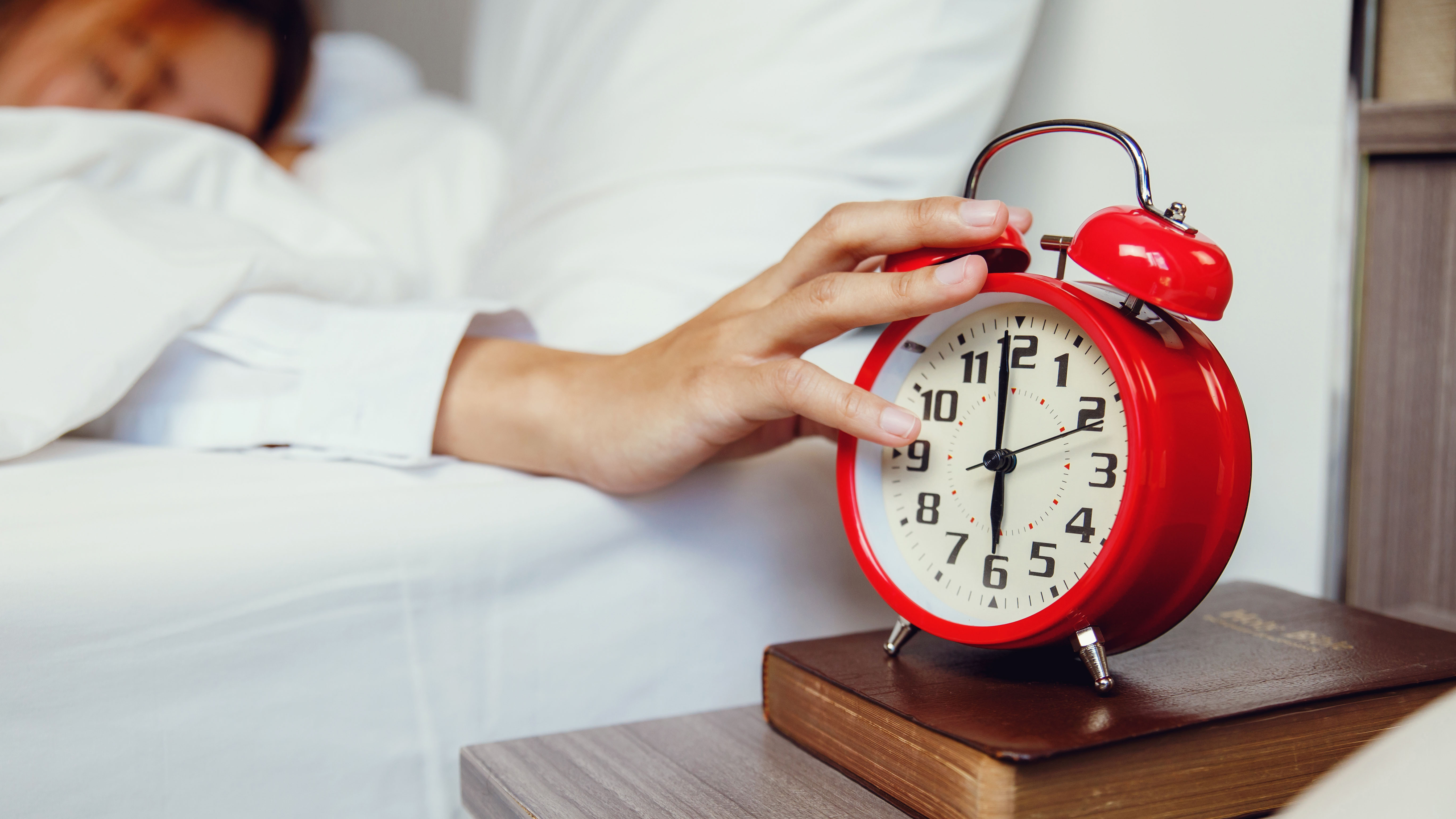
Studies show more than 55% of people hit the snooze button every morning, and that has a negative impact on our brain and body. You keep restarting the ‘wake-up’ process, throwing off sleep and wake hormone cycles, causing prolonged grogginess in the morning.
With a lot of people falling short of the recommended seven hours sleep a night, it’s no surprise they try to cram in an extra few minutes when the alarm sounds. But hitting snooze is not the best way to handle sleep deprivation, say experts.
What to read next
“While it feels comforting in the moment, hitting snooze disrupts your natural waking process and can lead to sleep inertia — that groggy, heavy-headed feeling that lingers after getting out of bed,” explains licensed clinical psychologist specializing in sleep and trauma Dr. Leah Kaylor.
(Image credit: Getty Images)
This is because you’re not getting “meaningful rest” during those extra 5 to 10 minutes, just “fragmented sleep that confuses your brain,” says the FBI sleep expert.
Avoiding the snooze button simply takes discipline. I stick to a regular wake up time of 6am so my body clock knows when it is time to rise each day.
Bonus: consistent sleep timings have been proven to add yours to your life, according to a huge new study by Vitality and London School of Economics and Political Science (LSE) published this year.
(Strictly not light from a screen.)
I first heard about the importance of morning sunlight from neuroscientist Dr. Andrew Huberman. Listeners of the Huberman Lab podcast will know morning sunlight is something the neuroscientist advocates.
And there’s plenty of studies showing morning light is indeed critical to sleeping well. As one of the key regulators of the circadian rhythm, light tells your body and brain to wake up and be alert in the morning.

(Image credit: Getty Images)
You may have a full day to get through before you sleep again, but ensuring you expose yourself to natural light first thing in the morning helps reset your body clock.
The light essentially kick starts your 24 hour sleep-wake hormone cycle, so by the time evening rolls around, you’re producing enough melatonin to make you feel sleepy.
3. I move plenty throughout the day
How much you exercise influences many things in your body from your weight to your heart health to your mental wellbeing, and it has a big sway over your sleep, too.
When my friend asked me the other day what she can do to improve her Garmin deep sleep reading, I immediately recommended a daily walk. In fact, by walking outdoors, you’re ticking three boxes on the healthy sleep habits checklist: Get fresh air, plenty of vitamin D, and move your body.
Getting plenty of movement through out the day physically tires you out, building up sleep drive in your body. It also has a positive impact on your mental health (hello, endorphins), which we know gives you a better chance of sleeping at night (goodbye, anxious thoughts.)

(Image credit: Shutterstock/Edited by Gemini)
This doesn’t mean you need to subject yourself to an intense bootcamp every day, even just a daily walk or 20-minute yoga routine can make your body more conducive to sleep.
But, if vigorous activity is what gets you going, experts generally recommend completing it earlier in the day, and practising more gentle exercise in the evening, so your body has time to wind down before bed.
Following this sleep-first exercise routine, my sleep tracker shows my heart rate is lower through the night and I coast more stably through sleep cycles.
4. I eat a balanced diet and stay hydrated
There is a close relationship between what you eat and drink and how well you sleep.
There are plenty of foods considered ‘sleep-friendly’. These are typically foods high in magnesium or tryptophan, like tart cherries (remember the sleepy girl mocktail trend), almonds, kiwis, or warm milk.
Eating plenty of these foods within a well-balanced, nutritious diet helps maintain stable blood sugar levels through the night leading to more stable, uninterrupted sleep cycles.

(Image credit: Getty Images)
On the beverage side, alcohol and caffeine are, unsurprisingly, not great news for sleep. They raise your heart rate, keep you stimulated, and fragment sleep cycles. But keeping hydrated is crucial for sleep.
Drinking plenty of h20 prevents headaches, cramps, and snoring, while aiding the cooling process and heart rate stability needed for peaceful sleep.
“When you’re dehydrated, your body struggles to regulate temperature and balance, making it harder to enter the deep, restorative sleep phases,” explains Dr. Jeff Rosenberg, physician at Prime IV Hydration and Wellness.
5. I leave my phone outside my bedroom
Our phones, the devices attached to our hand for too many hours of the day, are the biggest stealers of quality rest.
Be you procrastinating bedtime by scrolling, flooding your eyes with light when you wake up at 3a.m., or reaching for it first thing in the morning, your phone simply doesn’t bode well with sleep.
“Phone use keeps the mind cognitively active,” explains GP and physician Dr. Ola Otulana. “Whether you’re reading, reacting, or scrolling, your brain stays alert and engaged.”
“This mental stimulation can delay the natural rise of melatonin and interrupt your body’s circadian rhythm and also increase the likelihood of restless sleep,” the doctor adds.
(Image credit: Lumie)
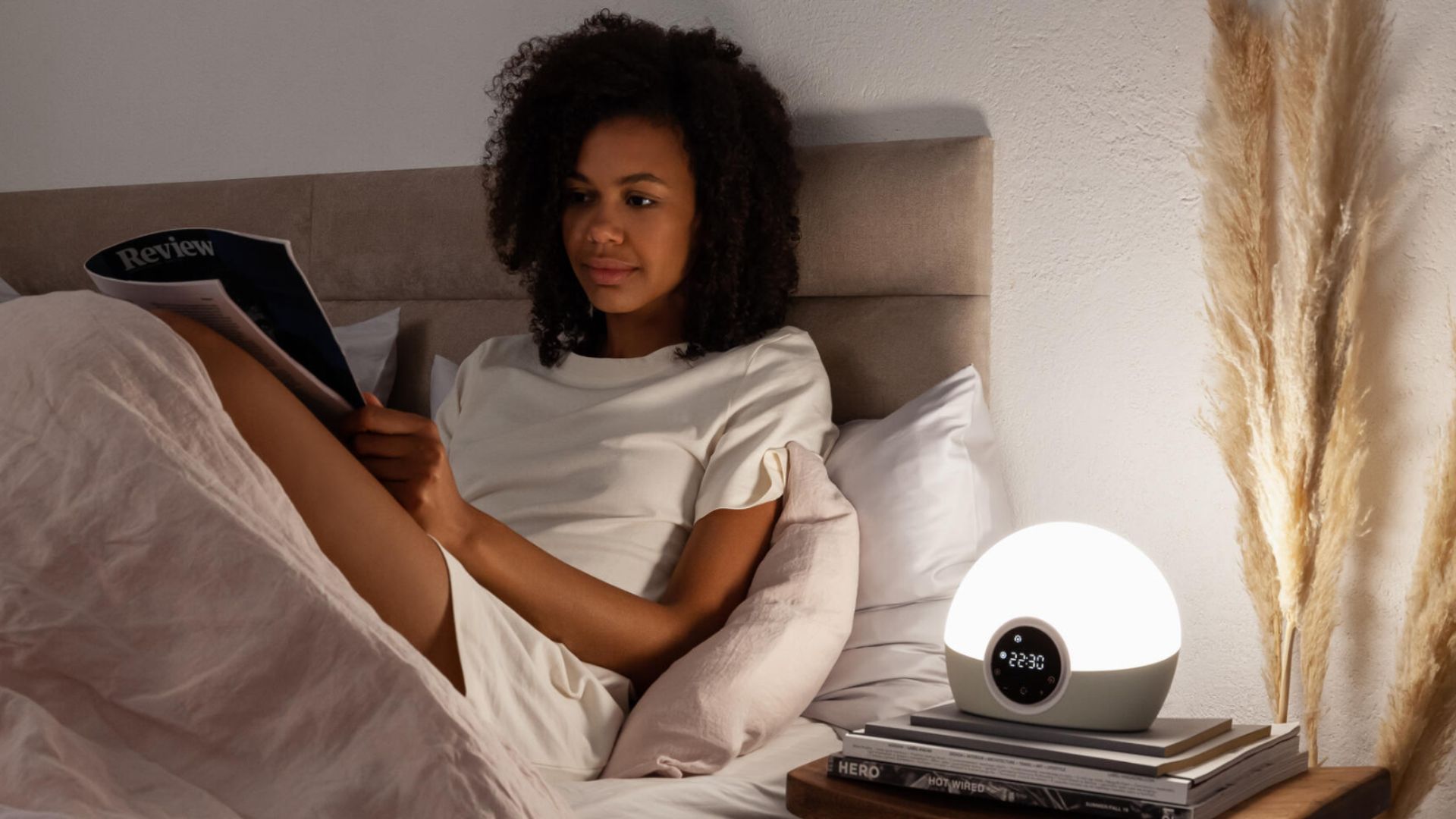
To kick my bedtime doom scrolling habit, I started leaving my phone to charge in a different room overnight back in January and haven’t looked back.
Now I fully rely on a sunrise alarm clock to wake me up and read before bed, and I’m certainly seeing the sleep benefits. I’m falling asleep on time and, without a stack of notifications inducing stress, I’m waking up feeling calmer and more prepared for the day.
Today’s best prices on top-rated sleep trackers