
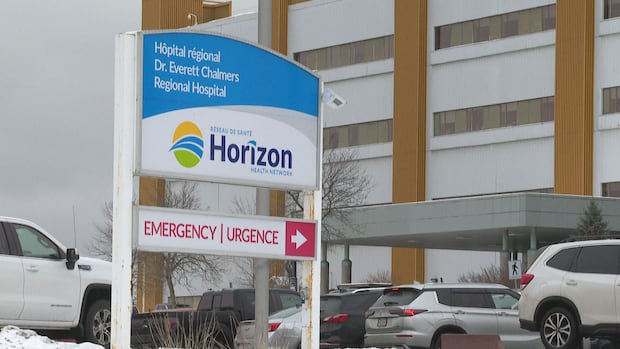
Horizon Health Network says it may have found a way to prevent 600 hospital admissions a year and save $8.6 million.
The health authority has introduced “diversion teams” in several regional hospital emergency departments, says Horizon executive David Arbeau.
These teams help set up care at home or in the community, when appropriate, instead of admitting people to hospital, Arbeau said in an interview with Information Morning Fredericton.
If a patient comes to the emergency department and the medical team there feels the person may need to be admitted, but might be able to stay home, the diversion team will review their chart, speak with the patient and their family and can arrange some interventions, he said.
“I think generally people, if they don’t need to be in hospital, don’t want to be there,” said Arbeau, the health authority’s clinical executive director of operations, patient flow and ambulatory care.
Asked later why the diversion effort wasn’t happening before, given the long existence of the extramural program, Arbeau replied by email that it took time to build and activate the right structure, resources and partnerships across the complex, interconnected care system.
Horizon has expressed frustration over the number of hospital beds taken up by people who no longer need medical care but are waiting for places in nursing homes.
The crisis has affected emergency departments, where people can be found waiting in hallways and other spaces for inpatient beds to open up.
 David Arbeau of Horizon Health Network says he thinks the new diversion teams in emergency departments are making a significant difference in preventing unnecessary hospital admissions. (Submitted by Horizon Health)
Arbeau told Information Morning that many people don’t know what services are available that might allow them to receive care at home or in the community, or they don’t have a family doctor to refer them, he said.
An example of a person who might be deferred would be a patient who has an infection and needs intravenous antibiotic treatments.
“Instead of staying in hospital for that kind of treatment, they’re actually sent home. We arrange the referral to the extramural team,” Arbeau said. “They go in and work with the pharmacy to get the medications delivered and then administer the medications in the home.”
In many cases, caregivers just need a bit of support, he said, while also acknowledging that sometimes the caregiver is burnt out.
If the patient or caregiver isn’t interested in home care, no one is turned away from the hospital, Arbeau said.
So far, diversion teams have been set up at regional hospitals in Miramichi, Fredericton, Saint John and Moncton, he said.
Each team has a nurse navigator, occupational therapist, physiotherapist and social worker, Arbeau said.
Moncton is running an additional pilot program, through which diverted patients can also get rapid access to geriatric specialists, he said.
The first teams were launched in December and, as of March 8, they had collectively “helped more than 230 patients avoid hospital admission,” Horizon Health said in a news release, estimating a savings of 3,600 days in hospital and $3.3 million.
Patient outcomes are being evaluated and future plans for the program will be made in April, Arbeau said.
“The general response has been very positive,” he said.
One snag identified during followup calls to patients and families was that at-home services sometimes didn’t start when they were supposed to, he noted.
Asked later to elaborate, Arbeau did not provide specifics but said most delays were resolved quickly, and Horizon was “working with partner agencies to address any gaps.”
CBC News contacted the extramural program to find out about current wait times. That information was not provided.
However, its most recent annual report, for 2024-2025, and its website indicate 50 per cent of referred patients waited four days or fewer for care to begin and 10 per cent of patients waited more than 40 days. The target is one day or less.
Besides extramural, people could also be referred Ability NB, for help with mobility issues, and the Alzheimer Society, for dementia-related support, Arbeau said.
Another could be Nursing Home Without Walls, he confirmed.
The latter program offers services such as check-in calls, social visits, transportation to appointments and use of nursing home baths and other equipment.
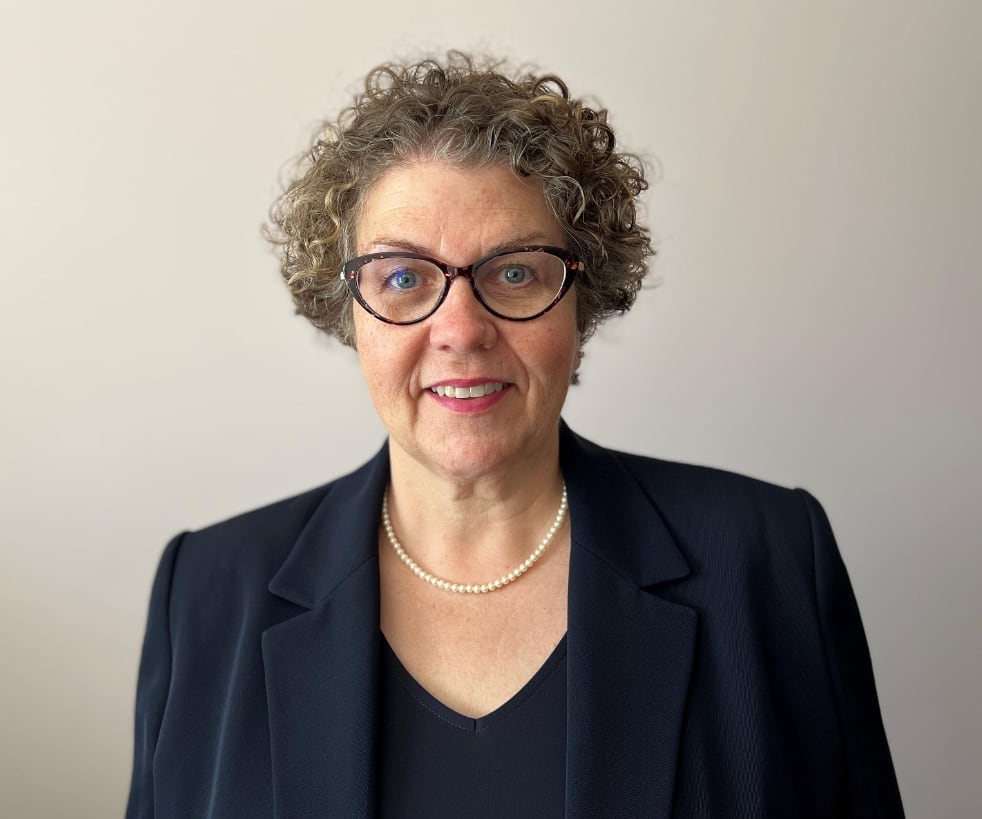 Suzanne Dupuis-Blanchard of the Université de Moncton created the Nursing Home Without Walls program.
(Submitted by Suzanne Dupuis-Blanchard )
Suzanne Dupuis-Blanchard created the Nursing Home Without Walls program and is a research chair in population aging at Université de Moncton.
Asked for her impressions of Horizon’s new diversion teams, she said she supported the idea of having someone doing that kind of triage at the ER, adding that sometimes the person’s needs are non-medical.
But she wondered whether community and at-home services would be accessible and available in a timely manner.
“We refer to services and sometimes the person is not in a position to wait two or three months,” Dupuis-Blanchard said. “They need it right away.
“I imagine that’s even more so when they are presenting at the ER.”
Jean-Claude Basque of the New Brunswick Health Coalition was also skeptical that adequate support services would be available.
“If they can do it, it would be wonderful,” he said. “If they succeeded in finding services it’s a good thing.”
Basque added that diversion would not work for many people because they are too ill or because support is not available from their family or in their community.
Many people need nursing-home care, he said, and nursing homes aren’t able to operate to capacity because they lack staff.
According to Horizon, at least 20 per cent of the patients who have been diverted from hospital so far would otherwise have eventually ended up “medically discharged” but waiting in hospital for a placement in an alternate level of care setting, such as a nursing home.
These hospital stays average more than 50 days each, Arbeau said.
Asked whether anyone was looking into potential at-home care for patients whose admissions pre-date the new diversion teams, he said clinical teams work closely with patients, families and system partners to help ensure these patients can be safely transitioned to the most appropriate care setting as quickly as possible.