
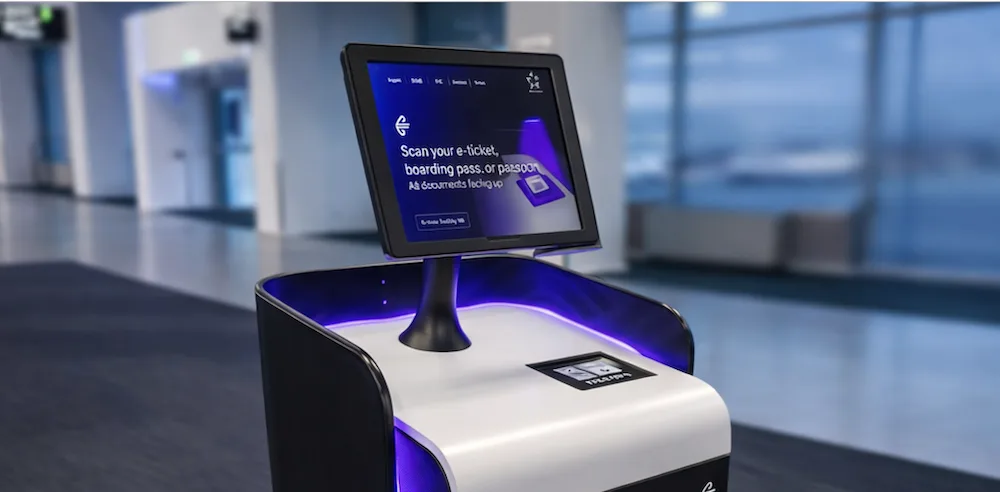
Air New Zealand is rolling out its new internally developed check-in kiosks across New Zealand airports, following a successful trial that significantly improved speed, reliability and customer experience at check-in.
Follow Aeronews on Facebook, Twitter, LinkedIn, Bluesky and TikTok
The new kiosks are being installed across Air New Zealand check-in zones, starting with Auckland Domestic Airport and rolling out to all New Zealand ports by the end of July. Designed and built by Air New Zealand’s own research and development team, the Next Gen Kiosks run on familiar, user-friendly technology, including iPads that enable intuitive touchscreen interaction and passport scanning using built-in cameras.
The kiosks were trialled at Auckland’s domestic terminal from June to March, with four trial machines processing more than 30,000 customer journeys across the period. One of the most significant improvements has been in check-in speed, with average check-in time dropping from more than two minutes to just 37 seconds. The fastest domestic customer completed check-in in a record 18 seconds, thanks to faster scanning and printing, and more intuitive prompts throughout the process.
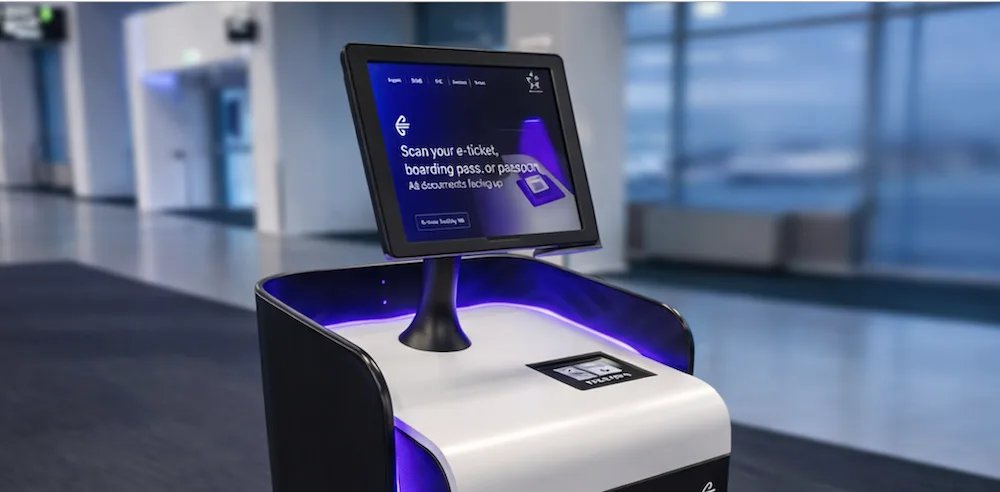
One recent example saw a group of 21 customers checked in, with boarding passes and bag tags issued, in just 2.5 minutes. On the previous kiosks, the same process would have taken more than two minutes per customer, and groups of more than nine would have required manual check-in with a customer agent. As a result, check-in for larger groups is now up to 20 times faster.
The new kiosks also have cost benefits. Each unit costs around a third of the previous kiosk and the airline expects to save more than $1 million per year in upkeep, including reduced reliance on external technical support.
The project moved from business case to rollout in 13 months, covering both kiosk hardware and digital development. It started with a specific check-in problem at the airport, with prototypes tested on site and refined using real customer and operational feedback. That allowed the team to identify issues early and improve the experience before scaling it.