
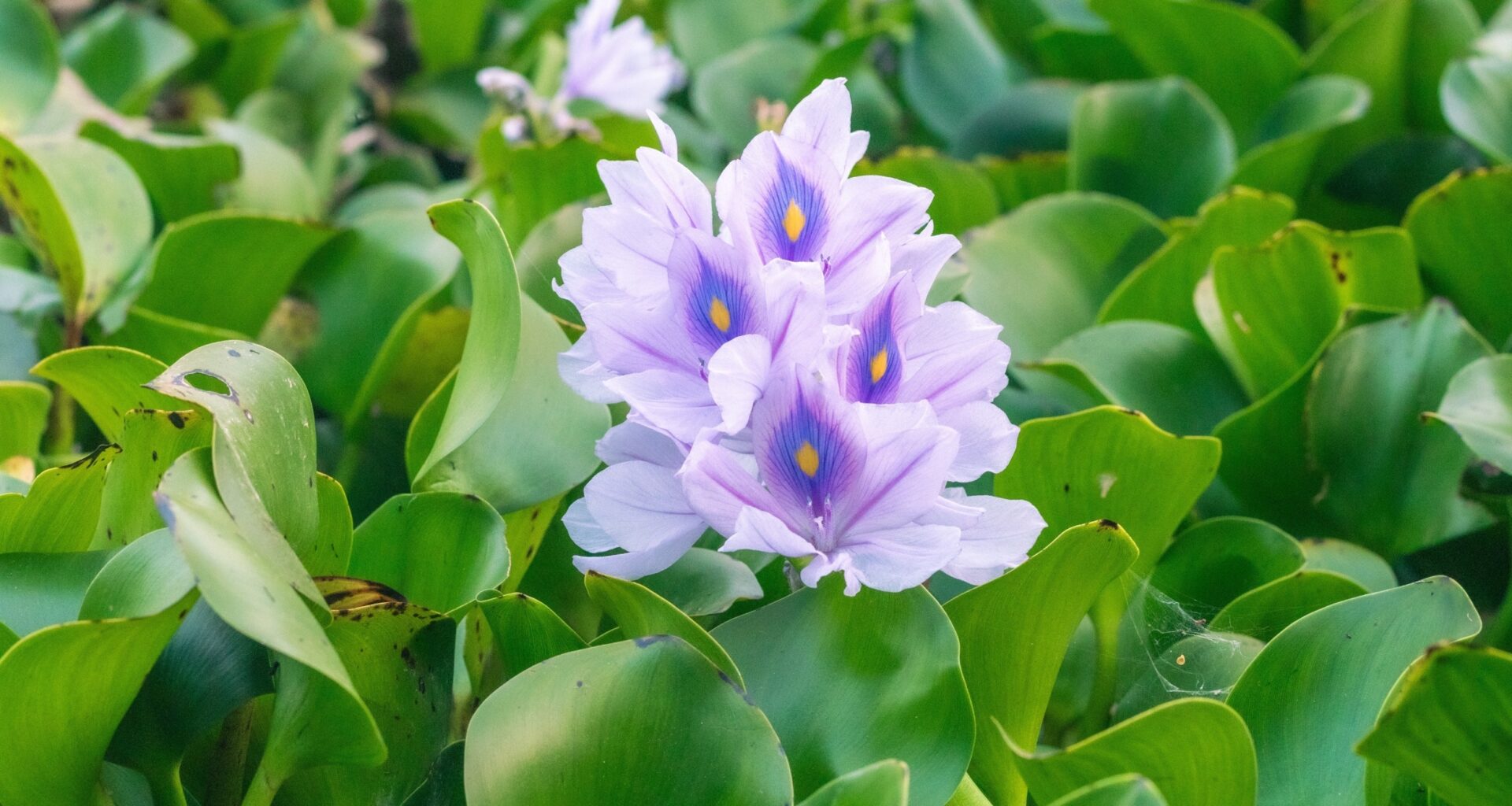
Plants around the world are slowly changing, and most people do not notice it. New plants from other countries are growing in places where they did not exist before.
A study led by the University of Vienna shows how this problem is growing and what may happen in the future.
What are alien plants?

Alien plants are plants that humans move from one place to another. People bring them for farming, gardening, or trade. Some of these plants grow well in new places and spread on their own.
Many invasive plants cause problems. They can take over land, push out local plants, reduce crop production, and even affect human health.
For example, some plants cause strong allergies. Because of this, scientists see plant invasion as a serious global issue.
Where invasive plants grow today
Scientists studied 9,701 plant species from different parts of the world. They used large databases like the Global Naturalized Alien Flora database and the Global Biodiversity Information Facility.
The researchers also looked at factors like temperature, rainfall, and land use. They used computer models to understand where these plants grow today and where they might grow in the future.
This helped the team create maps that show high risk areas for plant invasion.
“Overall, we found that one-third of the global land surface is currently suitable for at least 10 % of these alien species, making these areas invasion hotspots, where many alien plants are expected to occur,” said Ali Omer, lead author of the study.
Most hotspots are in warm regions like parts of Europe, North America, and Australia. These places offer good conditions for many plants to grow.
Why human activity plays a big role
Human activity makes it easier for these plants to spread. When people clear land or build cities, local plants disappear. This creates space for new plants to grow.
Travel and trade also move seeds from one place to another. This increases the chances of alien plants growing in new regions.
Some regions may already have more invasive plants than we know, but scientists may not have enough data yet.
How things will change in the future
“The results indicate that while the overall extent of hotspots may increase only moderately, their distribution will change substantially,” noted study senior author Franz Essl.
The total number of hotspot areas may not increase a lot, but their locations will change. Hotspots will move toward cooler regions.
This means places that are colder today may face more plant invasion in the future. At the same time, very hot and dry areas may see fewer invasive plants.
Northern forests and polar regions currently have fewer alien plants, but may soon support many new plants. This can harm local ecosystems because these areas are very sensitive and have fewer species.
Even small changes can cause big problems in these colder regions.
New plants will replace old ones
“Not only the location of the invasion hotspots but also the identity of invading species is expected to change,” said Omer.
“We expect a new set of alien plant species adapted to warmer conditions to invade many regions,” noted Essl.
In many places, new plants may replace the current ones. This can completely change how local ecosystems look and function.
Temperature plays the biggest role in where plants can grow. Warmer conditions allow more plants to survive in new places.
Other factors like rainfall and soil also matter, but temperature has the strongest effect. As the world warms, more areas will become suitable for these plants.
Impact on people and nature
As these plants spread into new areas, they can affect both nature and people. They can harm crops, reduce biodiversity, and cause health problems.
Many of the new high-risk areas are also places where many people live. This makes the problem more serious.
This study gives a clear picture of where plant invasion risks are highest now and where they may increase in the future.
The research shows that plant invasion is not a fixed problem. It keeps changing with climate and human activity. Understanding these changes can help countries take action early and protect both nature and people.
The study is published in the journal Nature Ecology & Evolution.
—–
Like what you read? Subscribe to our newsletter for engaging articles, exclusive content, and the latest updates.
Check us out on EarthSnap, a free app brought to you by Eric Ralls and Earth.com.
—–