
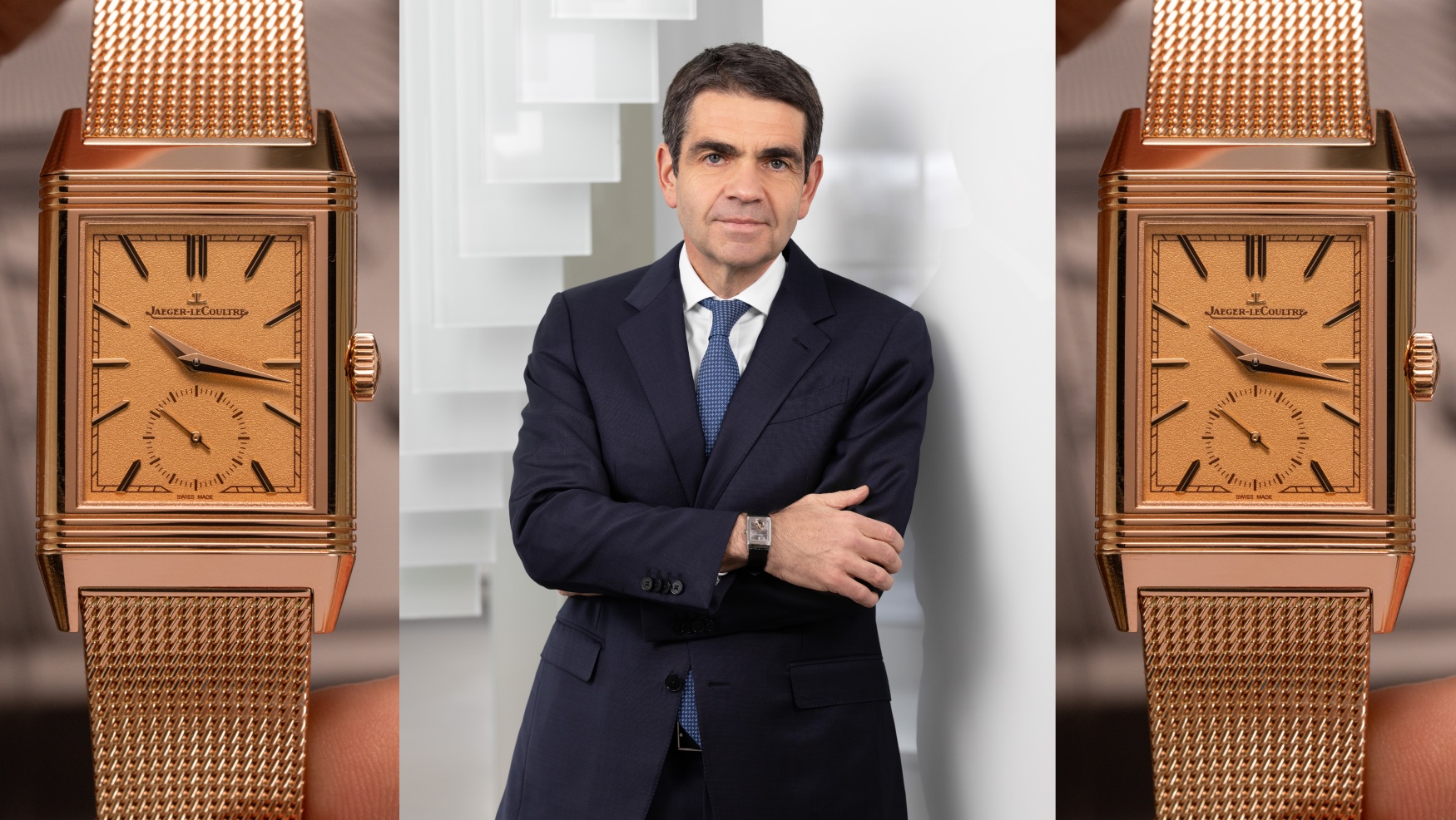
It’s not every day that you come across someone who became CEO of a brand at the age of 33, then went on to be CEO of the whole group, only to come back to the brand he first held the reins of and pick them up like he never left. I was lucky enough to meet the man who has done exactly that, Jérôme Lambert, CEO of Jaeger-LeCoultre from the age of 33, and now at the age of 56, he is back in the chair after a small hiatus, calling the shots at Richemont. I was keen to understand how someone takes such an interesting career trajectory, what kind of personality it takes to deal with these kinds of roles at such a relatively young age, and maintain such an elevated position for such a long time.
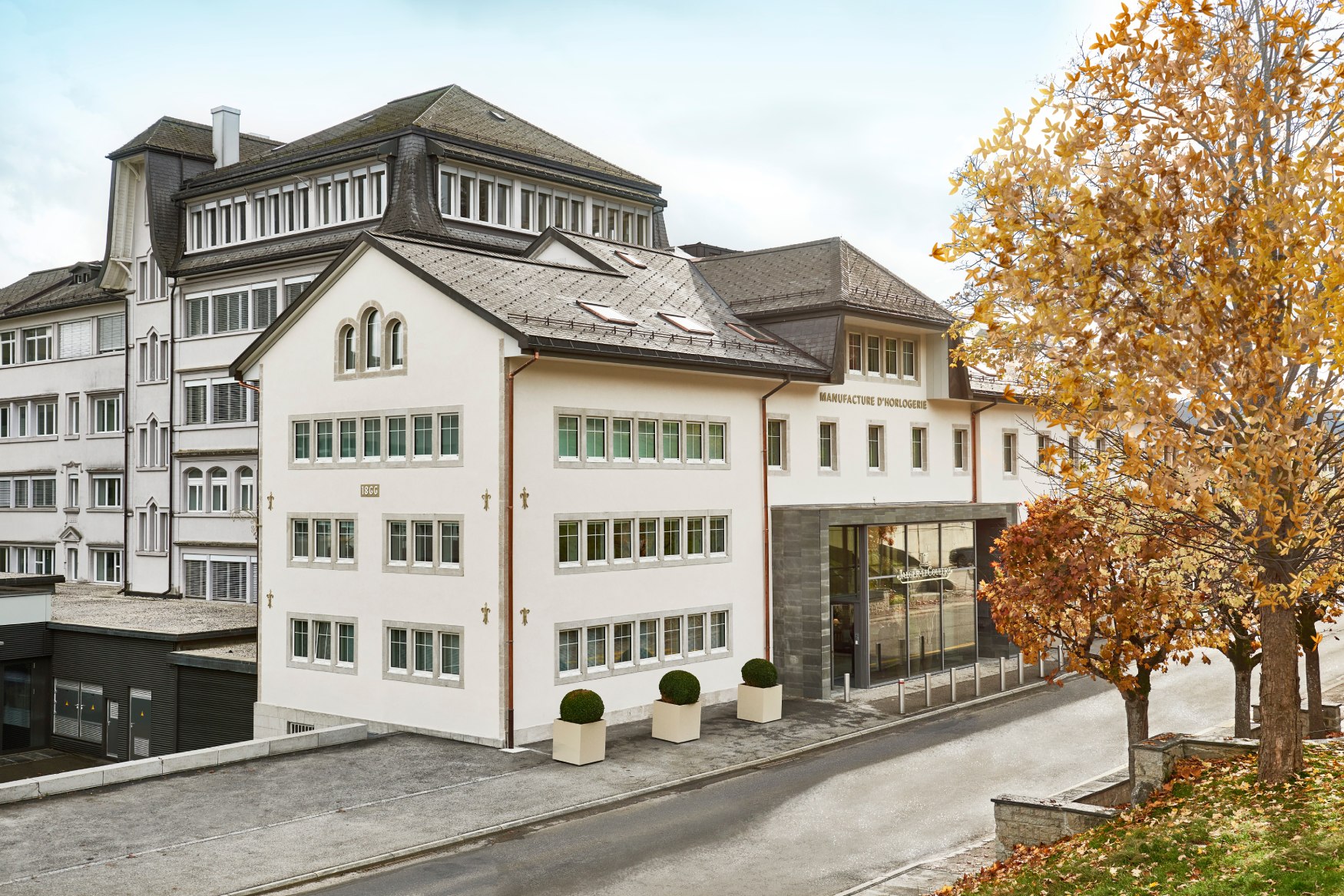
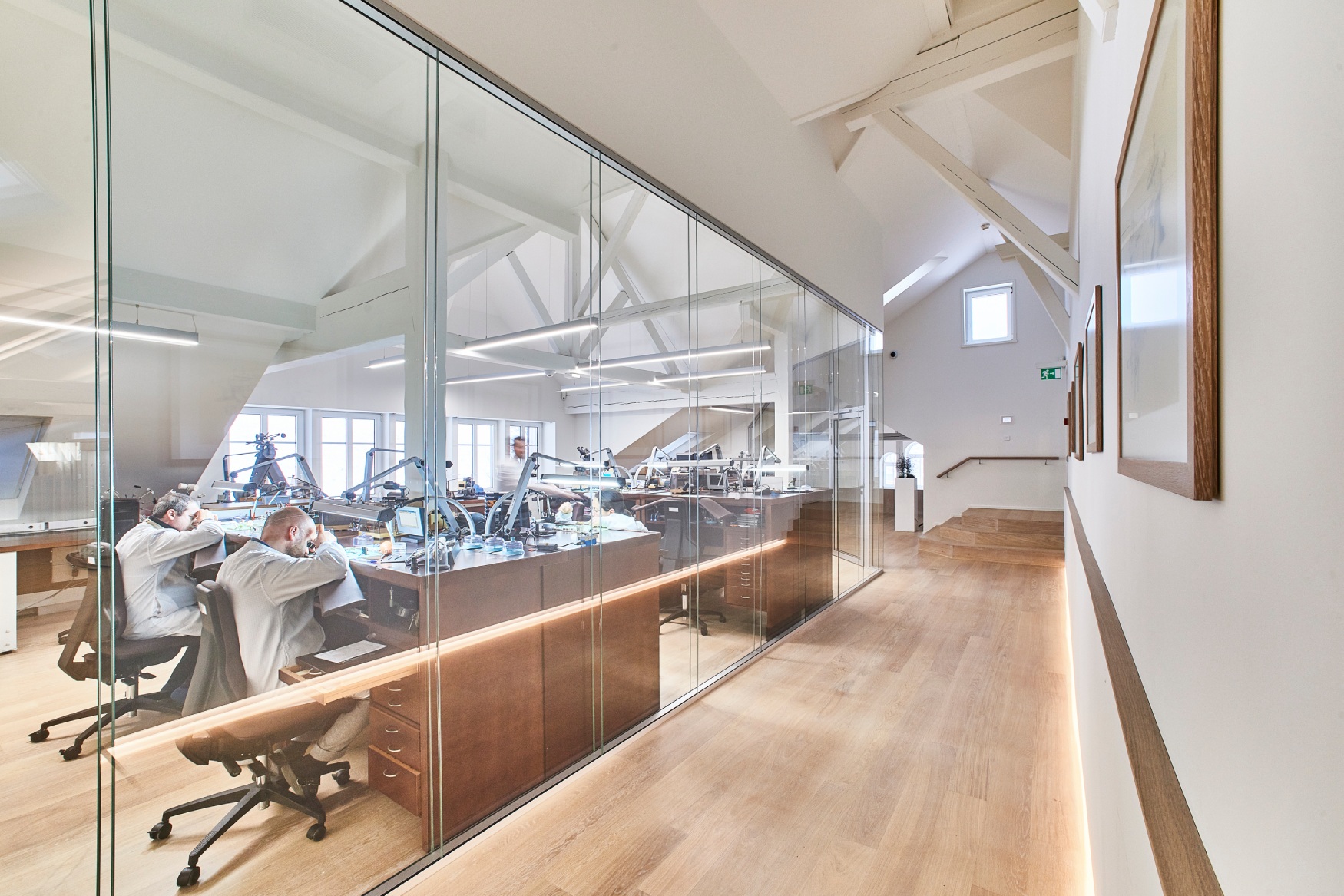
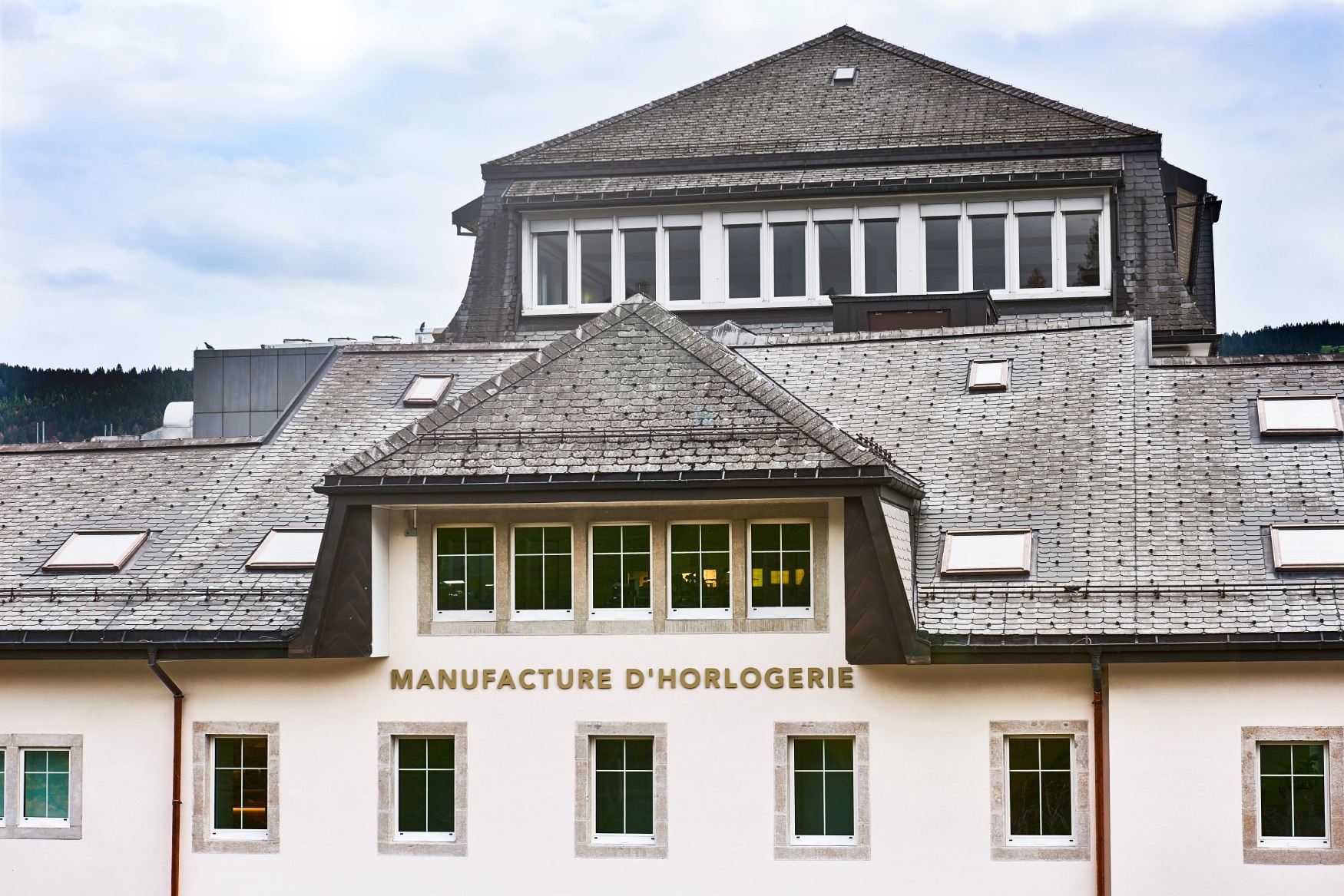
For anyone who has met M. Lambert, you will be instantly struck by his cool, calm demeanour, as he seems to act with purpose in everything he does, whether it is taking a sip of espresso or delivering a presentation of novelties to a room full of journalists. His actions are as precise and calculated as the watches he makes. Before getting the chance to sit down with the boss, I was taken on a short tour of the Jaeger-LeCoultre manufacture, or part of it at least, to see exactly how the Watchmaker of Watchmakers makes watches.

As M. Lambert was keen to point out to me later on in our chat, the brand has 235 separate skills and crafts that all take place under their roof, and while we certainly weren’t able to get round all of them in one morning, instead getting the chance to see the construction and fine tuning of a balance spring, and the hand placement of jewels on a palate fork is always a treat. “In many of our savoir-faire we only have 2 or 3 people able to master each of them.” M. Lambert points out to me, “on Grande Sonnerie we have 2 watchmakers, and so we need to pass that knowledge on. If we want a third one, we cut our production by 50% because it takes 9 months to train the new guy and that stops production.” So it is clear that there is a constant tension in the manufacture of maintaining production levels, but also ensuring that these key skills do not die out within the company. A precarious balance to strike when you have collectors hungry for high complications.

So how does someone who worked their way through the ESG Management School in Paris, then later the Swiss Graduate School of Public Administration to go on and work at the Swiss public postal and telecommunications services end up a CEO of one of the most historical watch brands in the world? It turns out he wasn’t one to push for this position, but rather he saw what it means to make a difference, and as I experienced earlier, he clearly aligns himself very closely with how this company operates. “I’ve always been curious. And I’ve always been animated by the willingness to leave a mark,” Lambert explains. “When I joined Jaeger-LeCoultre and after being here for five years, I felt the mission and the importance of the mission, and these elements combined themselves together. But it’s not like I was 12 writing that I want to be a CEO. I did not know what the job of a CEO was at 12, and did not know what Richemont was before I was 19 or 20. I was asked to become CEO. The only job I have been candidated for has been this one. The previous time I was asked to.” By this, M. Lambert is referring to the fact that he never had to apply for his various roles in the Richemont structure until he came back to become CEO of Jaeger-LeCoultre just two years ago. An incredible trajectory for someone who seemingly doesn’t push for promotion or higher rank, but rather has it thrust upon him.
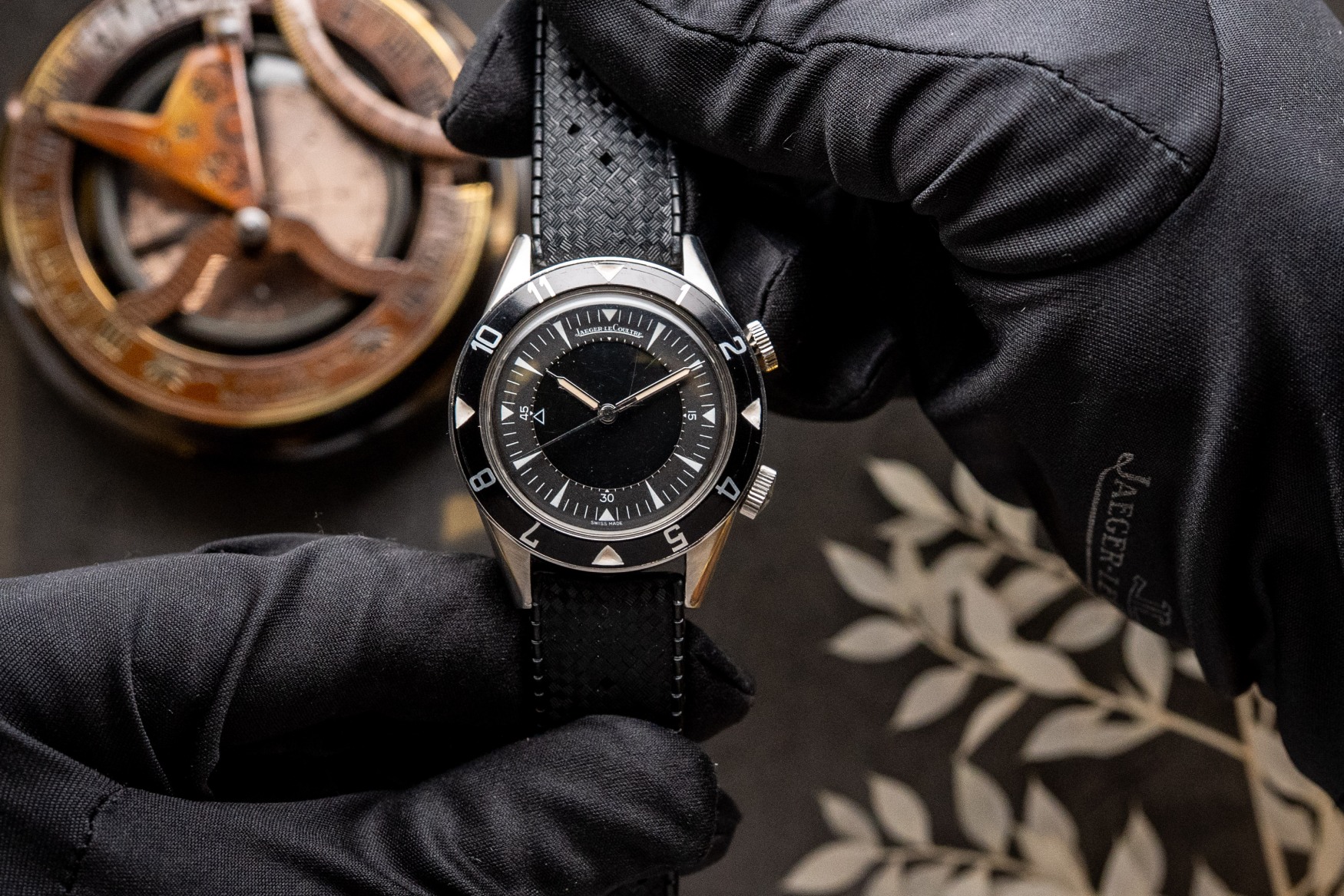
While it was a little different for M. Lambert the second time around, he also found the brand had changed in the years he was away from it. “You never swim twice in the same river” he says, paraphrasing the Greek philosopher Heraclitus. “You have changed and the thing has changed. The Maison has been changing and growing a lot, and I had to get myself to the same level of the Maison. To elevate my level of game. In a Maison like Jaeger-LeCoultre, it has been changing and growing a lot, and one thing I measured after 12 years is how far the Maison has been growing and maturing in that time. When it comes to the talents and abilities of the Maison itself, especially.”
Something that has always made Jaeger-LeCoultre stand out to me is their willingness and commitment to what I call extracurriculars. These projects that move them outside the world of watchmaking, such as partnering with award-winning chocolatiers, or producing honey made by the bees that live on site at their manufacture. For a brand that is so focused on the purest forms of watchmaking, these surplus endeavours. I wanted to know why they even bother with these partnerships, and M. Lambert had a simple answer for me. “It would be less fun. The fun is part of the story. It is about sharing, adding additional reasons to share time and experience, and creating an environment where sharing our products makes even more sense.” I guess when you are a watch brand, you are slightly limited in how you can share stories and better explain your universe. So by branching out, you can give other examples of how your philosophy works across other sectors in an engaging way.
I conducted this interview in a loft space that the band has above their manufacture that overlooks their small corner of the Vallée du Joux. You can, in fact, see this very space if you watch the interview Andrew did with M. Lambert last year. And while this space is filled with the sort of ephemera that you would expect for this type of space, the one object that I felt was missing was a golden GPHG Hand trophy. The brand has traditionally not participated in the awards colloquially known as the “Oscars of the Watch World”, and I was curious why M. Lambert didn’t feel the need to join his Richemont stablemates, such as IWC, in it. “The biggest award is that we have the chance, after 193 years, to be at the same location, to have 40 young people learning here in the manufacture every year.” It’s clear that M. Lambert is chasing internal success, measured by how the brand’s skillset develops, and less external validation, measured by an ever-growing panel of judges.

Finally, while I was at the manufacture, there had been a rumour buzzing around the internet that M. Lambert was planning to buy the brand back from Richemont, and take it independent under his own leadership. As you can imagine, no one at Richemont would give an official comment on this, and it would have been futile for me to ask the man himself if it were true. But I wanted to know how he reacts when these things surface, is there a protocol you have to go through, is there an official statement drafted immediately? I personally would likely go straight into panic stations. But not M. Lambert, a calm, measured response as expected, “I’ve been 7 years the CEO of Richemont. I’ve been CEO at Jaeger-LeCoultre since the age of 33, and we’ve had four or five financial crises, so you can imagine. And I’ve played number 2.” At the end, there he is referencing his previous past time of playing rugby, where he wore the number 2 shirt as a hooker, a position that puts you under immense pressure, whether you’re in the scrum or throwing line outs. Having not experienced steering a company through a financial crisis or being in the middle of a French scrum, I can only imagine the pressure and stress you must go through in those moments. So it does lead me to believe that very little can rock M. Lambert’s cool and calm demeanour.