
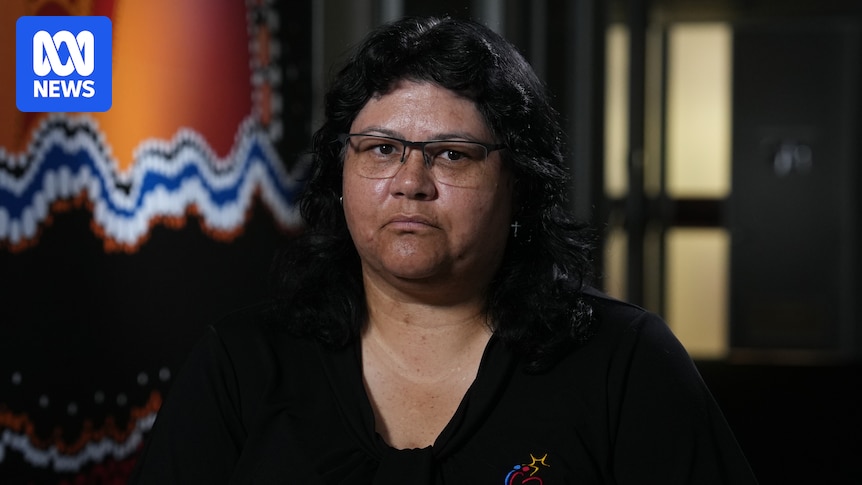
Rose is an Aboriginal woman living with a chronic pain condition that prevents her from working.
She says a bulk-billed doctor is necessary to guarantee her family access to healthcare.
“It takes the burden off, so I can focus whatever little money I do have [on] putting food on the table for my family and a roof over my head as much as I can,” she said.
Rose is a patient of the Yerrabi Yurwang Health Hub, which delivers culturally appropriate general practice and nursing to about 400 Aboriginal and Torres Strait Islander patients in Canberra.
“I remember having my first [appointment] with Yerrabi and [the doctor] spent an hour with me, she was really getting to the grit of what was going [on] … one really good consult that really set me up,” she said.
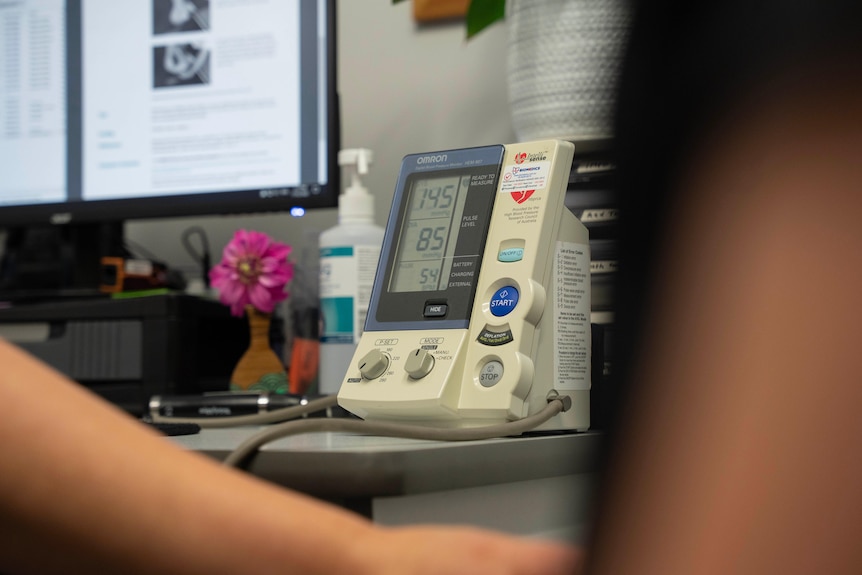
A lack of funding from the ACT and federal governments is forcing the Yerrabi Yurwang Health Hub to close, affecting about 400 First Nations patients. (ABC News: Maren Preuss)
But, due to a lack of funding, the health hub is set to close, and Indigenous leaders at Yerrabi are worried that could place patients’ health at risk.
“It scares me that this could lead to a death … I’m tired of burying my mob,” Ngunnawal emerging Elder and Yerrabi chair Selina Walker said.
Ms Walker said negotiations with the ACT government had been “not very supportive” and that a failure to provide funding to Yerrabi disproportionately affected the First Nations community.
“This is wholly and solely systemic racism,” she said.
The organisation wrote to patients last week to inform them of Tuesday’s closure.
“It is very sad that governments have not been able to accommodate Yerrabi at this time, given the appalling data and health gaps that exist for Aboriginal people in the ACT,” Yerrabi wrote.
Do you know more? Contact James Vyver on encrypted email.
Please note end-to-end encryption is only possible with your own encrypted email system like Protonmail account.
‘Culturally appropriate health care’
Many of Yerrabi’s patients are Indigenous elders or children under four who are being treated for complex medical conditions.
Former senior ACT public servant says risks to Indigenous staff ignored
“Some of the people that we see come through the doors have not seen a GP for five years,” Ms Walker said.
“Now they’re getting those healthcare needs met, they’re getting the medications to improve their quality of life.”
The Yerrabi Health hub opened in February 2025 to provide services on the north side of Canberra, filling what the organisation identified as a geographical gap.
“We provide culturally appropriate health care,” Yerrabi CEO Professor Dea Delaney-Thiele said.
“It’s holistic, it’s comprehensive, and it addresses not just the physical wellbeing of an individual, it’s a social, emotional, cultural and spiritual wellbeing.”
Ngunnawal elder and Yerrabi board member Warren Daley said the hub removed some of the cultural barriers that prevented First Nations people from receiving timely healthcare.
“We’ve got elders in the community that won’t go and see a doctor unless [it’s] as their last resort,” Mr Daley said.
“[Yerrabi has] Aboriginal health workers, Aboriginal staff at the front desk; that’s what makes them happy to come and see someone.”
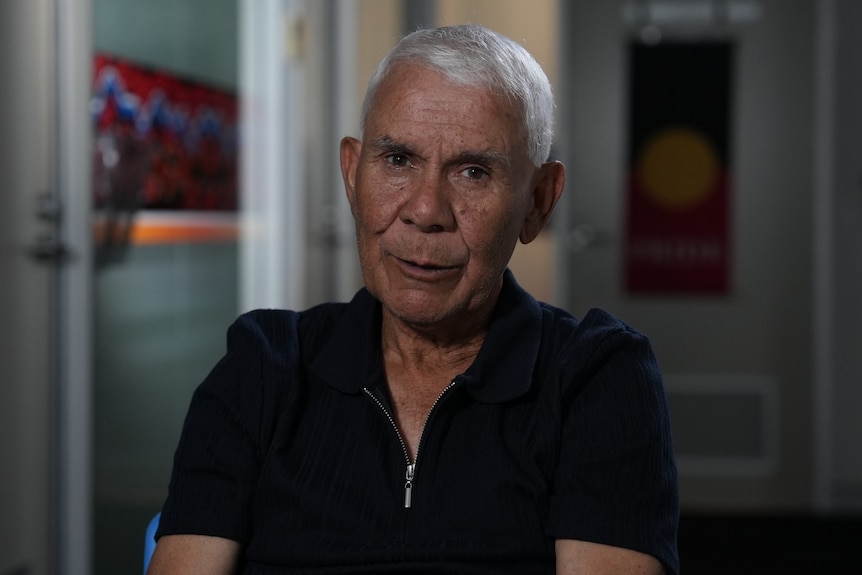
Ngunnawal Elder and Yerrabi board member Warren Daley. (ABC News: Toby Hunt)
‘The coffers are just about dry’
The Yerrabi Yurwang Child & Family Aboriginal Corporation was first established in 2019 and provides youth, housing and education programs, as well as running the Yarramundi Cultural Centre.
The health hub is part of this corporation and is an accredited Aboriginal Community Controlled Health Organisation (ACCHO), meaning it meets standards set by the Royal Australian College of General Practitioners.
The existing operating budget for the health hub is drawn from grants, management fees and other parts of the budget across the organisation.
“To have a GP here, a locum, is $10,000 a week … the coffers are just about dry,” Professor Delaney-Thiele said.
“No GP, no script … where are they going to get their meds from if the scripts run out?”
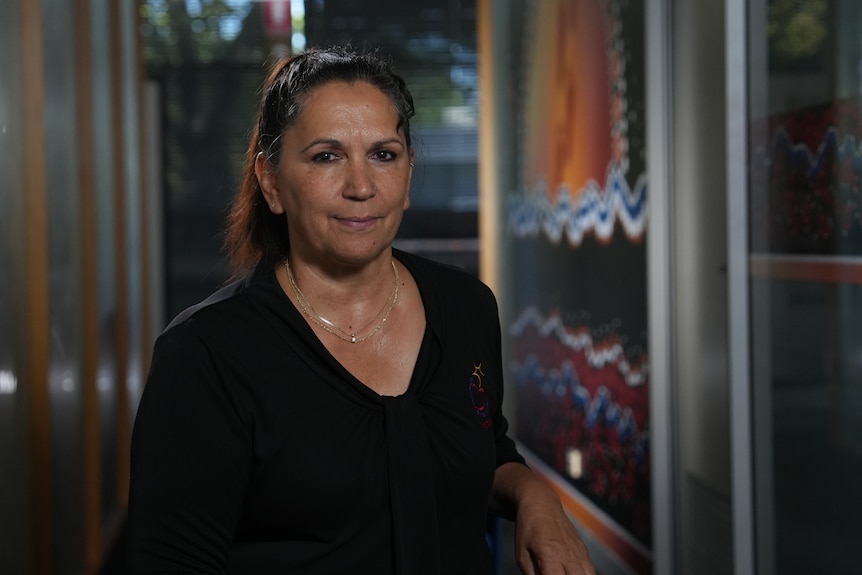
Yerrabi Yurwang Health Hub CEO Professor Dea Delaney-Thiele says the centre provides holistic and culturally appropriate healthcare. (ABC News: Toby Hunt)
Ms Walker described the situation facing the health hub as “heartbreaking”.
“The government won’t work with us … the answer is always ‘we are broke, we don’t have the money’, or ‘we don’t fund that'”.
Hub asked ACT government for bridging loan
Over the past year, the Yerrabi board says it has appealed for funding assistance from both the federal and ACT governments, albeit unsuccessfully.
After several months of requests, Yerrabi representatives eventually secured a meeting with federal Health Minister Mark Butler’s office in February.
This followed a meeting with the ACT government in late December to request short-term bridging funding to help the facility stay open.
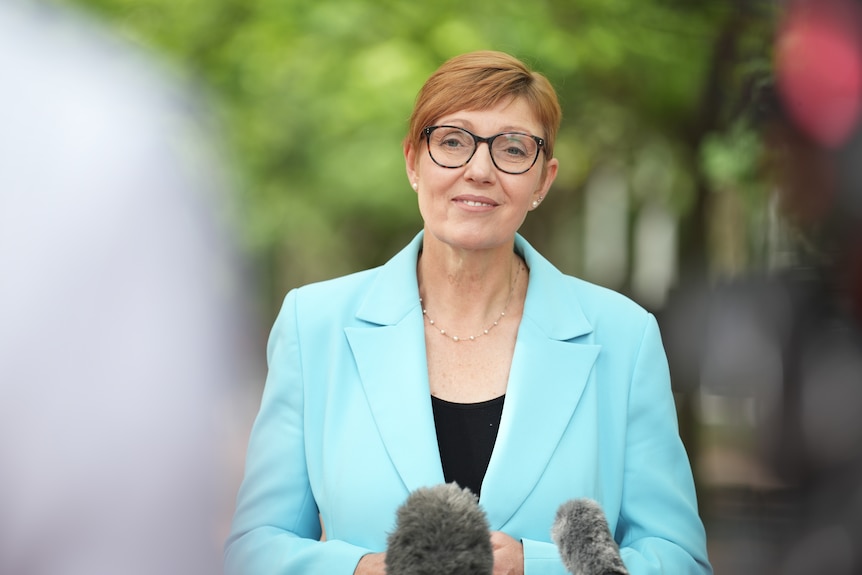
Rachel Stephen-Smith says the government does not have any funding specifically available for Yerrabi Yurwang Health Hub. (ABC News: Matt Roberts)
ACT Health Minister Rachel Stephen-Smith was briefed with a detailed budget and business case.
“I recognise that for some people, it would be really disruptive if Yerrabi has to cease operations either temporarily or permanently, and that is, of course, really distressing,” Ms Stephen-Smith told the ABC last month.
“We don’t have any money that is specifically available for this purpose, and we would have to divert money from something else.”
The brief to the ACT government included a temporary funding request of $803,000, to cover four months of operation.
The healthcare provider hoped these funds would bridge the gap until federal funding applications opened in the new financial year.
Yerrabi also made an alternate request for ACT Health to loan or second a doctor and nurse.
Neither funds nor staff were granted.
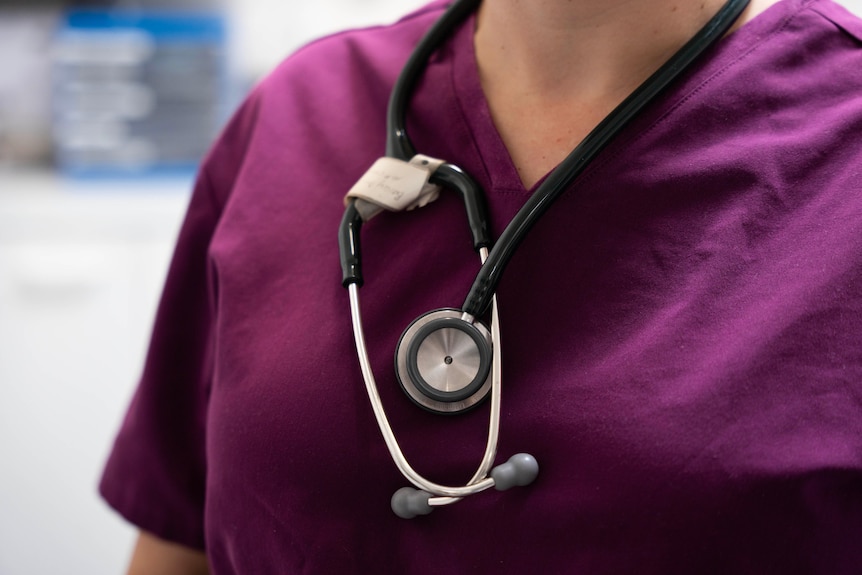
The Yerrabi board says its alternate request for ACT Health to loan or second a doctor and nurse to the service was not granted. (ABC News: Maren Preuss)
Yerrabi hopeful of future funding
Primary healthcare is a Commonwealth responsibility, though the ACT does provide some targeted funding to general practice, some of which could be available to Yerrabi, albeit not until the new year.
But Ms Stephen-Smith said in February that ACT government funding was dependent on longer-term support from the Commonwealth.
“If it’s not going to be a sustainable operation, there is a question about whether that is a good use of money in [a] short period of time,” she said.
However, the federal government’s Indigenous Australians’ Health Programme (IAHP) is fully allocated in this financial year, meaning the assurances sought at the time by the ACT government could not be given by their federal counterparts.
Loading
In a statement to the ABC, a government spokesperson said:
“In 2026-27 the Department of Health, Disability and Ageing will open an Indigenous Australians’ Health Programme grant opportunity.
“Yerrabi Yurwang has been encouraged to consider applying through this competitive process.”
In the meantime, Ms Stephen-Smith pointed to the other services available to Yerrabi’s patients.
Will this funding promise help GP access in the ACT?
“There are a range of other bulk-billed primary care services in Canberra’s north as a result of the Albanese Labor government’s significant investment in bulk-billing incentives,” she said.
The federal government’s $7.9 billion Bulk Billing Practice Incentive Program began on November 1.
Ms Stephen-Smith also urged Yerrabi to consider this scheme as a future source of revenue.
Yerrabi says the closure of the service will likely prevent them from being eligible.
Since the start of the federal scheme, the number of bulk-billing practices in the ACT has risen from 10 to 18, from a possible 100.
The data does not indicate where in Canberra these new practices are located.
The capital’s largest Aboriginal health service — Winnunga Nimmityjah — is in Narrabundah in Canberra’s south and offers a wide range of primary and allied health services.
Canberra’s low bulk-billing rate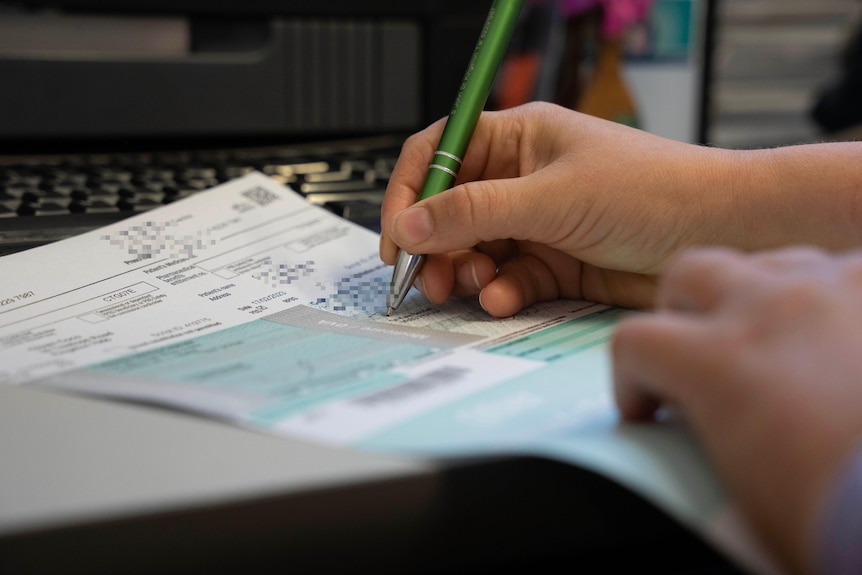
The ACT has Australia’s lowest bulk-billing rate, at 53 per cent compared to the national 81 per cent. (ABC News: Maren Preuss)
Canberra has the lowest bulk-billing rate in the country, at 53 per cent, compared to the national average of 81 per cent.
Indigenous Australians are entitled to an annual bulk-billed comprehensive health check.
Yerrabi’s doctors said this was often when serious, undiagnosed health problems were picked up.
However, only 18 per cent of the ACT’s First Nations community accessed this health check in the past year.
In a letter about the closure of the health hub, Yerrabi urged its patients to write to both health ministers as well as local members at both levels of government.
“Sadly we are simply being left behind and those appalling statistics are not going to get any better here in the nation’s capital for Mob,” the letter read.
“We are hopeful that we may be able to acquire funding later in 2026. … We live in hope as our Elders have before us.”