
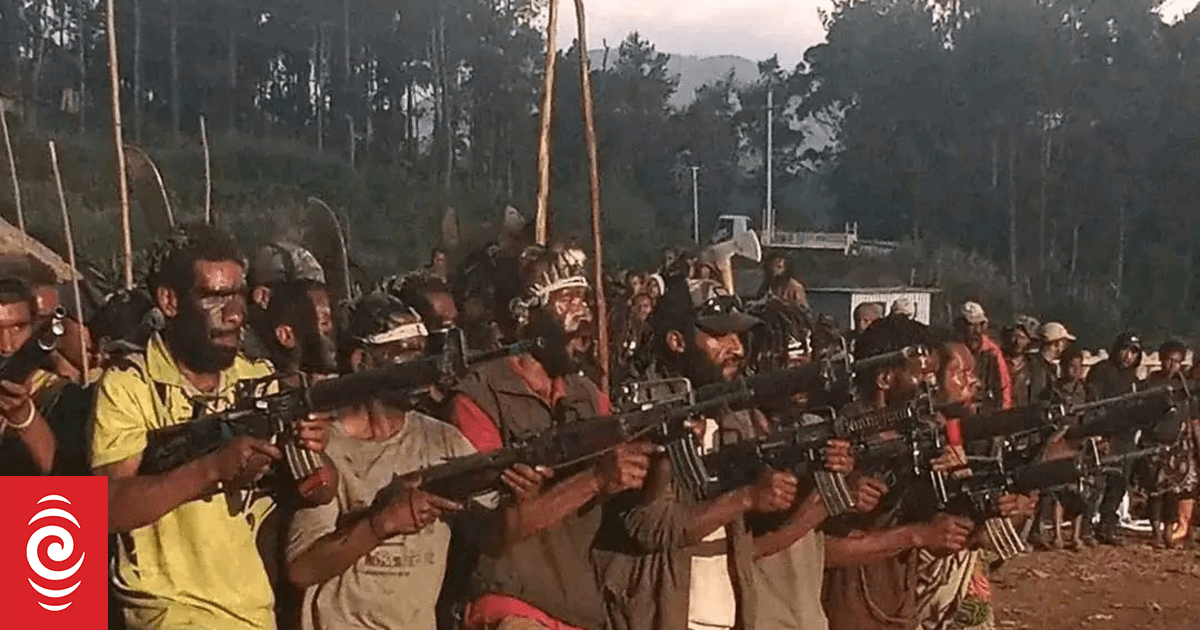
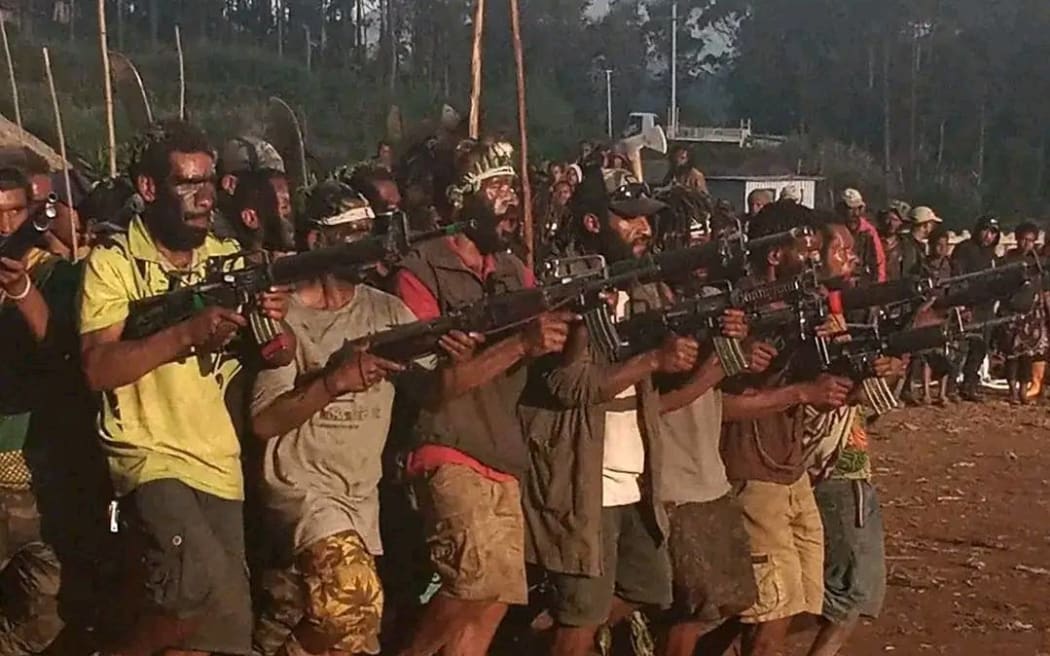
The Papua New Guinea Highlands, a region celebrated for its stunning natural beauty, is increasingly overshadowed by the escalating threat of small arms violence.
Photo: Supplied
A Papua New Guinean academic has warned that the Marape government’s “cash-for-guns” scheme on its own is only a “short-term fix” for the country’s illegal firearms problem.
In January, the PNG government announced its plans to launch “a full-scale national crackdown on illegal firearms in the Highlands region, in its efforts to restore law and order.
Prime Minister James Marape declared that after the amnesty period, which began in late February and ends in August, “if anyone is still holding a gun, we will hunt them down”.
The firearms buyback initiative is aimed at encouraging individuals to voluntarily surrender their illegal guns to receive financial incentives and avoid prosecution.
“It intends to reduce the proliferation of firearms, improve community safety and address law and order challenges, particularly in rural areas prone to tribal conflicts and urban centres experiencing armed robbery,” University of Papua New Guinea lecturer Jack Assa wrote in a Devpolicy Blog post.
Assa said the initiative has ignited debate across PNG, with many people voicing concerns that “offering cash could reward criminal behaviour and fail to tackle the root causes of violence”.
“The fact is that even a modest reduction of firearms through this program can lower immediate threats and reduce the risk of sudden escalation. The central question, however, is whether this program represents a credible reform strategy or is largely a short-term fix,” he said.
Assa noted that gun buyback schemes have had mixed results, but PNG could learn from Australia and New Zealand by focusing on “a strong enforcement framework, effective border control and comprehensive licensing”.
“Firearms in PNG are not only tools of criminal activity but also symbols of status and means of self-defence in tribal disputes. Guns have also been used to hijack ballot boxes during elections. Estimates from police commentary suggest firearms are involved in up to 80 percent of serious crimes.
“Concerns have also been raised that state security agencies might be a source of illegal firearms and ammunition. Then there are concerns about perverse incentives. Paying for guns might only incentivise the entry of more into the supply chain.”
However, Assa believes that despite these concerns, partial reductions in firearm stocks could still offer benefits.
“They could reduce immediate threats and signal the government’s commitment to public safety, potentially gaining momentum for deeper reforms.”
Earlier this month, a former PNG Defence Force commander told the ABC that the government had “absolutely lost control” of illegal weapons over the past two decades.
Assa said a gun buyback scheme alone would not automatically address the underlying drivers of law and order issues.
“Lasting impacts are more likely if the government integrates the program with wider policy and structural reforms, including reviewing and strengthening regulatory frameworks, building the capacity of police and defence forces and consistently enforcing and prosecuting firearm offences and other measures that would instil confidence in the justice and correctional systems,” he said.
He added PNG must also build systems that continuously generate reliable data on firearm offences and fatalities, while also monitoring the impact of such programmes.
“These measures should underpin any broader firearm reforms rather than relying on a buyback program alone. Without these, a cash-for-guns scheme risks being perceived as a short-term fix strategy and not transformative.”