
Memory Prices Begin to Ease, but Gamers May Not Feel Relief Yet – Hungarian Conservative
DDR5 memory prices are beginning to stabilize in some markets, with isolated price drops offering cautious optimism, while a new AI compression breakthrough from Google could reshape long-term demand.
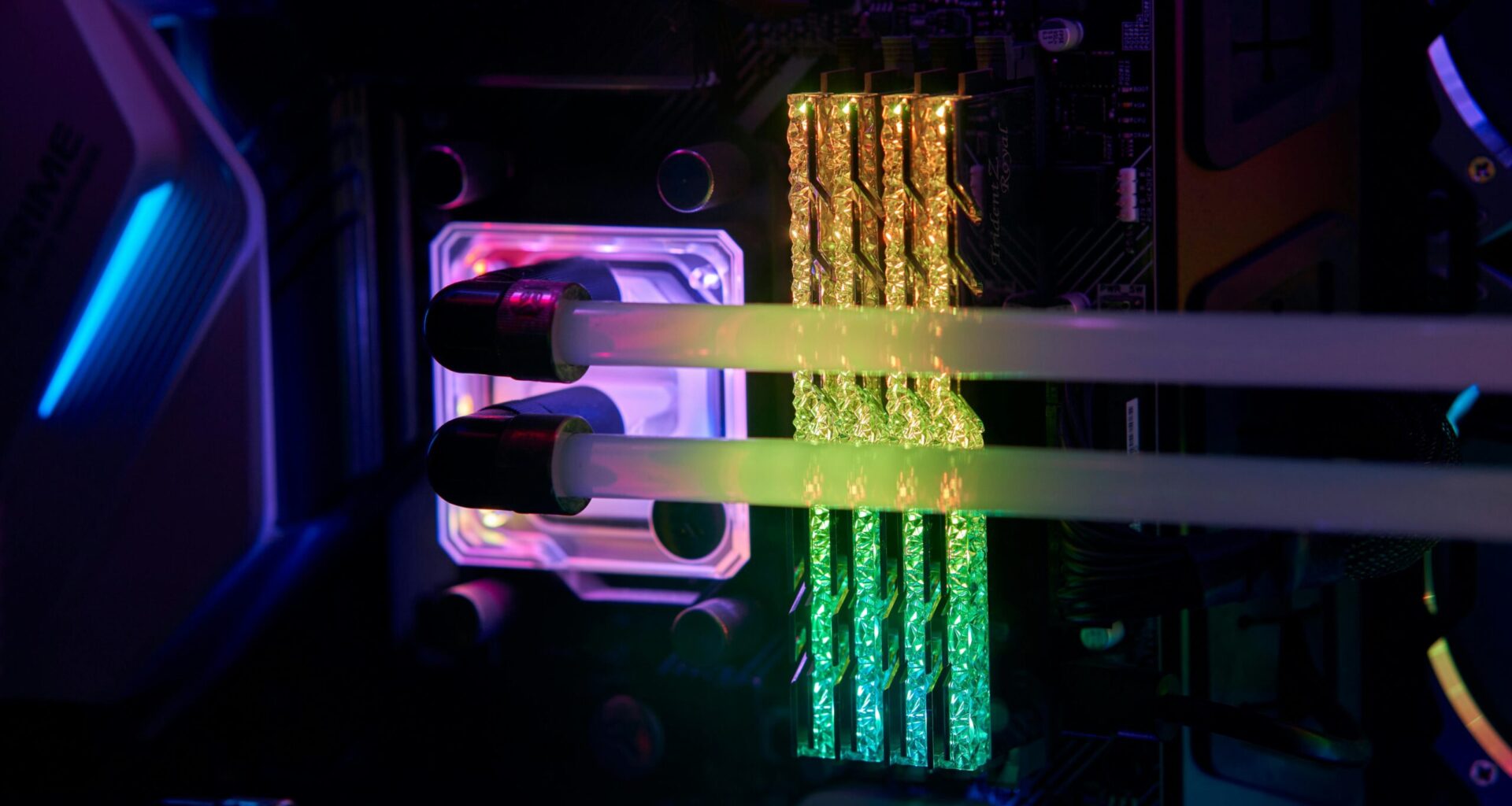
After months of soaring costs, there are early signs that DDR5 memory prices may be stabilizing, offering a glimmer of relief for gamers and PC builders. In the United States, customers browsing Amazon have started to notice modest price reductions on select memory kits, particularly within the popular Corsair Vengeance lineup.
Some 32GB RGB DDR5 modules from Corsair have dropped to around 379.99 dollars from previous highs near 439.99 dollars. While non-RGB variants had already seen slight declines, the broader trend suggests that peak pricing may have passed, at least for certain models.
Similar developments have been reported in parts of Europe, indicating that the trend is not entirely isolated. However, despite these reductions, memory remains expensive overall. Data tracked by PCPartPicker shows that while prices are no longer climbing as sharply, they are still far from what many consumers would consider affordable.
A key factor behind the persistent high prices has been strong demand from artificial intelligence infrastructure. Data centres require vast amounts of DRAM and high-bandwidth memory, limiting supply for consumer markets. However, a recent development from Google could shift this dynamic.
The company’s newly unveiled TurboQuant algorithm aims to significantly reduce memory usage in AI systems. By optimizing key-value cache requirements, the technology could cut memory consumption by up to six times while maintaining or even improving performance. In theory, this would reduce the need for DRAM and HBM in data centres, potentially easing supply constraints over time.
The announcement had an immediate impact on the market, with shares of major memory producers such as SK Hynix and Samsung falling following the news.
Despite the optimism, the long-term effects remain uncertain. Lower memory requirements could encourage companies to develop even larger and more complex AI models, potentially offsetting any gains in efficiency. As a result, manufacturers may continue prioritizing enterprise customers over consumers.
Without a significant shift in demand or a cooling of the AI boom, DDR5 prices are unlikely to drop dramatically in the near future. The situation is further complicated by rising costs in other key components, including graphics cards and storage, making it increasingly difficult to build affordable gaming PCs.
Meanwhile, consoles are not necessarily providing a cheaper alternative. Sony has recently raised the recommended retail prices of both the PlayStation 5 and the PlayStation 5 Pro, adding further pressure on gamers navigating an already expensive hardware market.
Related articles:
DDR5 memory prices are beginning to stabilize in some markets, with isolated price drops offering cautious optimism, while a new AI compression breakthrough from Google could reshape long-term demand.
Ádám Bráder graduated from the Faculty of Humanities of Eötvös Loránd University in 2021 as an English major specializing in English in the Media and Applied Linguistics. From 2017, he worked as an assistant editor at TV2’s news programme. After graduating, he continued his work as an online journalist, which led to him joining the Hungarian Conservative team in 2022.
We use cookies to enhance your browsing experience and to personalize the content and advertisements that you see on our website. AcceptDeclinePrivacy policy