
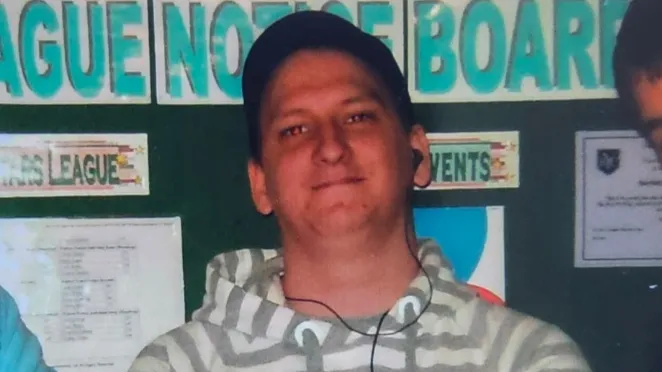
Doctors should ask their patients about gambling habits in the same way they assess drinking and smoking levels, a coroner has said after the death of a betting addict.
Lee Adams was found to have died from an overdose of beta blockers after a late-night gambling binge during the coronavirus pandemic in 2020.
An inquest was told that the 36-year-old had become addicted to gambling during the lockdowns and had not received treatment for the disorder.
His death has prompted a call for GPs to ask patients about possible gambling addictions so that they can be informed of available medical treatment.
In a prevention of future deaths report published last week, Julian Morris, the senior coroner for inner south London, recommended that doctors inquire about gambling habits in the same way they would about smoking or drinking.
Since 2012 the health service has paid GPs to offer all smokers referral for behavioural support and medication to stop smoking.
The previous year, officials at the National Institute for Health and Care Excellence advised GPs to assess all patients for harmful drinking levels and to offer interventions to those they identified as having a moderate dependence.
The inquest into Adams’s death was told that he had suffered from a long-term depressive illness and had been prescribed propranolol, a beta blocker, in 2017, though he had not received any since.

Propranolol is used to treat hypertension, anxiety and migraines. It is fast-acting and effective but toxic even in relatively small doses.
It emerged that during the first few months of 2020 and the Covid lockdown, Adams had become “increasingly reliant [on] and involved” with online gambling.
Despite having been contacted about his gambling, Adams was said to have claimed that he was “fine” and wanted to continue.
However, David Forrest, a gambling standards expert, gave evidence to the inquest that there had been several indicators of harm in Adams’s gambling.
According to lawyers representing Adams’s family, the gambling operator Virgin Games, owned by Gamesys Operations, “should have done more” to intervene.
Adams’s gambling behaviour during the period before his death was described as “exceptional” and “extreme”. Forrest gave evidence that Virgin Games had offered bonuses and rewards to Adams as he was in a “VIP” promotional scheme.
Concluding that Adams died from cardiac arrhythmia that was caused by an overdose of propranolol, the coroner also cited a “gambling disorder” and “depressive illness” in his report. Morris recommended that GPs “should be reminded to ask individuals about their gambling habits in the same way that they ask about smoking and alcohol”.
After the verdict was given in November, Adams’s cousin Natalie Ashbolt said that he had taken the overdose within half an hour of his final bet, “having lost almost all his monthly pay in just over an hour”.
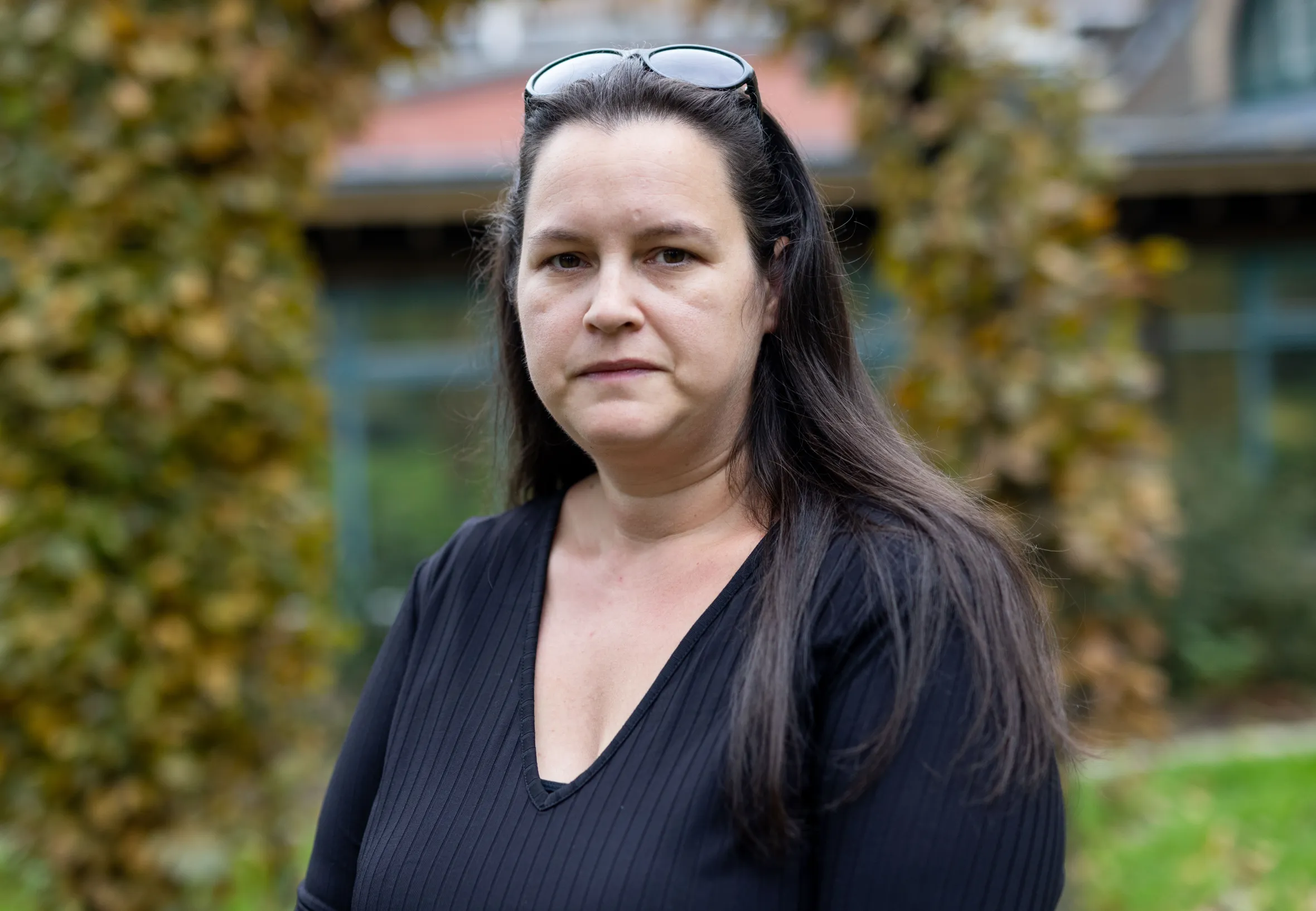 Natalie Ashboltvicki couchman for the times
She added: “This came at a time when Lee was already in despair due to his gambling, having been allowed to lose tens of thousands of pounds in the preceding months.”
The coroner’s recommendations were sent to the family and GP surgery’s solicitors, as well as the Royal College of Psychiatrists.
A Gamesys spokesman said that the company was “very sorry for the profound loss” experienced by Adams’s family. He added that the company was “committed to protecting customers” and that “safer gambling is at the core of our operations, and we always ensure we are complying with the strictest standards of regulation across the industry”.