
The post This Pangolin’s Lunch Routine Shows Why the World’s Most Trafficked Mammal Is So Unique appeared first on A-Z Animals.
Quick Take
Pangolins use powerful claws and long tongues to tear into logs and feed on ants and termites.
Their scales are made of keratin, not medicine, and illegal wildlife trafficking remains a major threat to their survival.
Pangolins are the most trafficked mammals in the world, making conservation awareness especially urgent.
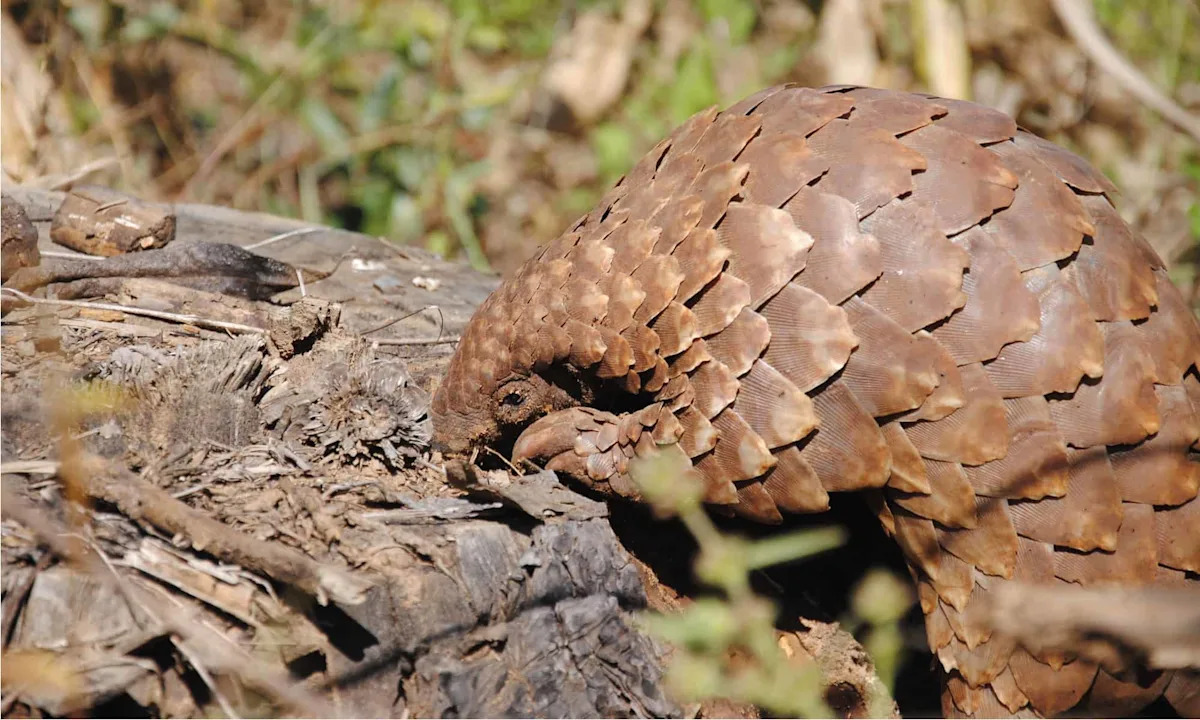
In the incredible Instagram clip below, a pangolin buries its head into a log for lunch. The beautiful scaled mammal is on all fours, standing within the log as a zoo worker crouches behind her. The zoo worker explains that the log was ripped open for the pangolin to have easier access to the ants inside. Pangolins feed mainly on ants and termites and may spend several hours foraging and eating, depending on the species and the availability of prey.
Using its impressive claws, the pangolin starts to rip up the wood herself! Shoving the debris out of the way, it starts using its front legs like a dog digging a hole! With its strong hard claws though, it makes quick work of the log almost instantly! The zookeeper speaks about the tragic state of pangolin trafficking, as they’re the most trafficked animal on earth. Being the only scaled mammal, some cultures incorrectly believe their scales to have medicinal properties!
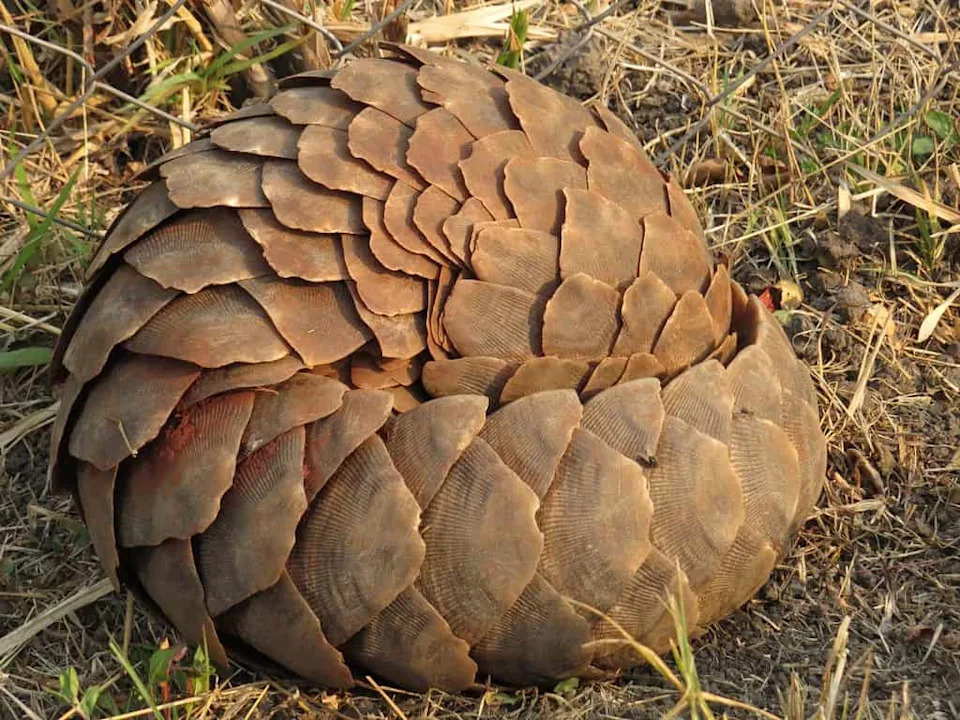
Pangolins use their incredible scales to shield themselves from any potential threats! Their overlapping pattern is truly beautiful!
©U.S. Fish and Wildlife Service Headquarters, CC BY 2.0 – Original / License
(U.S. Fish and Wildlife Service Headquarters, CC BY 2.0)
In reality, the scales of a pangolin are formed of keratin, the same substance as fingernails! Obviously, there is no secret medicinal or ‘magical’ value to pangolin scales! The sad truth of the species truth is fortunately unknown to the beautiful pangolin feasting away. But it doesn’t make it any less tragic, and increased awareness towards conservation is clearly needed! Being such unique animals, with scales that can protect them from some natural predators, their extinction would be heartbreaking.
The Harmful Effects of the Black Market of Exotic Animal ‘Medicine’
The exotic animal trade, mainly driven by cultural beliefs in the supposed medicinal properties of certain body parts, is causing irreparable harm to numerous species. Pangolins are widely described by conservation groups as the most trafficked mammals in the world. Their scales are sought after for traditional Chinese medicine, generally being ground into a powder. In some traditional medicine markets, pangolin scales have been promoted with unsupported claims that they can help with conditions such as poor circulation or inflammation. Pangolin scales are made of keratin, the same protein found in human fingernails, and there is no good scientific evidence that consuming them provides medical benefits.
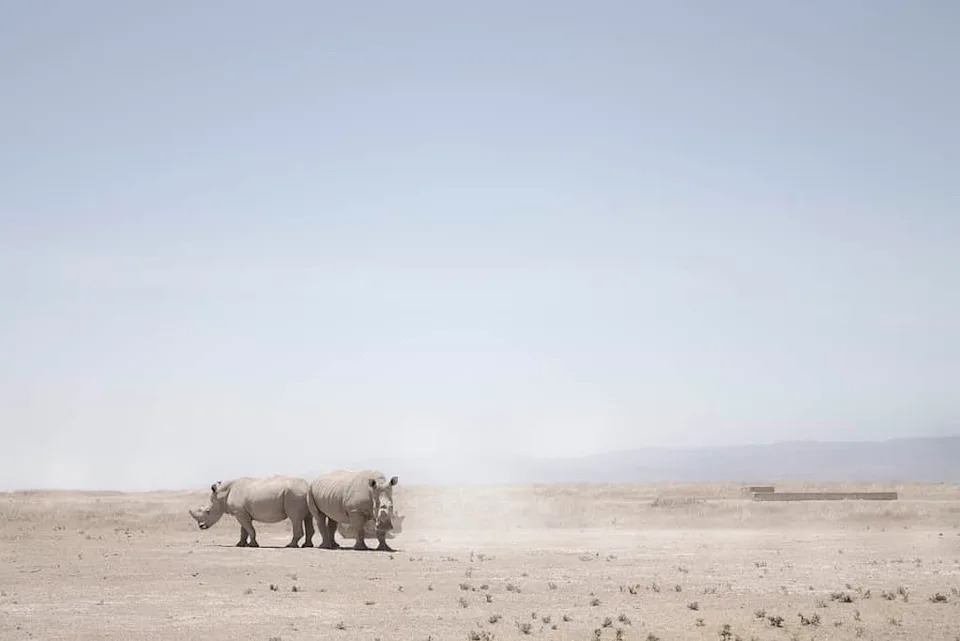
Only two Northern white rhinos remain, both female, and the subspecies is considered functionally extinct. The last male, Sudan, died in 2018.
©KatWebb/iStock / Getty Images Plus via Getty Images
(KatWebb/iStock / Getty Images Plus via Getty Images)
Unfortunately, the destructive Chinese medicine trade extends far beyond just pangolins. It also heavily affects species such as rhinoceroses, which are poached for their horns, and elephants, which are poached for their ivory tusks. Rhino horn has been marketed for various unproven uses in some consumer markets, but the common Western claim that it is mainly used as an aphrodisiac is misleading. However, there is no good scientific evidence that rhino horn provides these claimed medical or sexual benefits, and demand for it has contributed to severe poaching pressure on rhino populations. Sharks also fall victim, with their fins being prized for use in ‘shark fin soup’.
Claims that shark fin soup provides special medicinal benefits are not supported by good scientific evidence. These claimed medicinal benefits are not supported by evidence, and consumer demand for wildlife products has had devastating consequences for many species. Consumer demand for wildlife products is one of the major drivers of illegal trade and population declines in several species. The Northern white rhino stands as a heartbreaking example of how poaching can push a subspecies to the brink. Conservation groups argue that stronger enforcement, demand reduction, and public education are all needed to help reduce illegal wildlife trade.
The post This Pangolin’s Lunch Routine Shows Why the World’s Most Trafficked Mammal Is So Unique appeared first on A-Z Animals.