
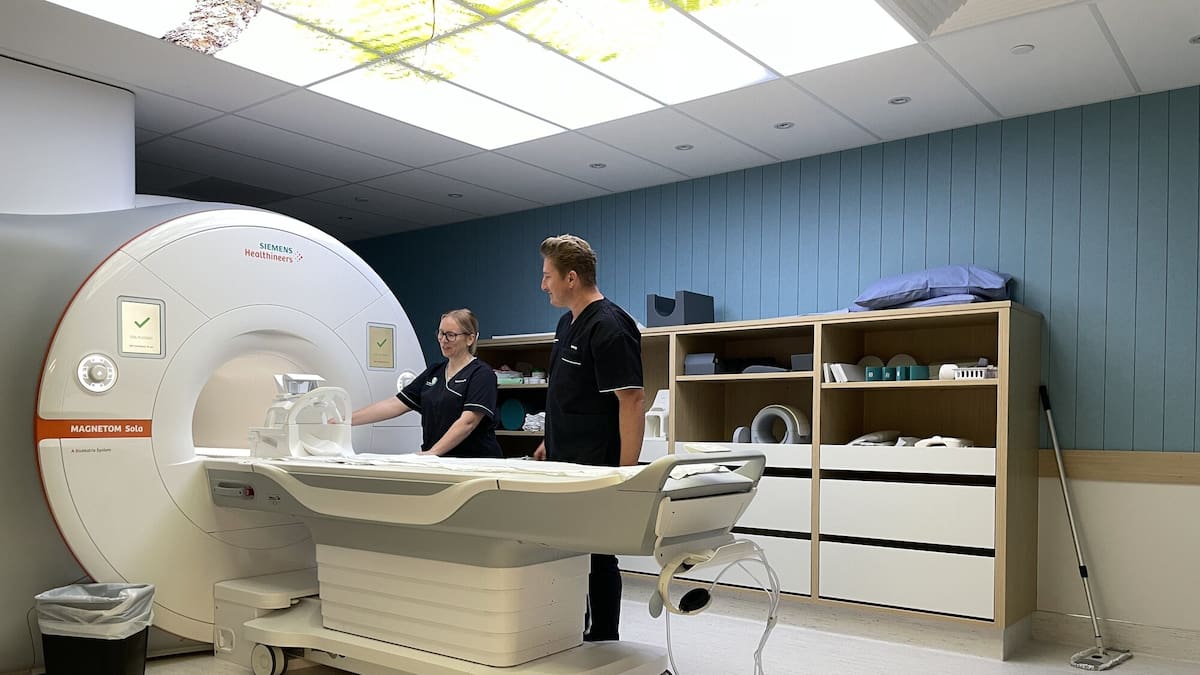
As of March 11, 294 patients have travelled from Wellington, Kāpiti Coast, Hutt Valley, Taranaki and Wairarapa for MRI scans.
Health NZ group director of operations Katherine Fraser-Chapple said Whanganui’s unit had become an “important diagnostic resource supporting patients across the lower North Island”.
“This is a positive initiative to get patients across the Central Region faster access to care,” she said.
“If they choose not to travel to Whanganui, they can wait for an appointment locally; this eases the pressure on resources in Wellington and the Hutt Valley, so those who can’t or prefer not to travel can be seen sooner too.”
Fraser-Chapple said since the initiative began, Wellington’s average wait time had gone from six months to no more than four months.
“The average wait time in Whanganui has remained under four weeks,” she said.
A wider range of Whanganui patients were able to be scanned in Whanganui instead of travelling to Palmerston North, which has one public and two privately owned MRI machines, she said.
Whanganui Hospital’s MRI scanner is the only machine in the district and one of seven across the Central Region.
Patients from outside the district have been offered $150 petrol payments to assist with travel for scans in Whanganui.
The decision to offer petrol vouchers has been criticised by the Association of Salaried Medical Specialists (ASMS), which calls it a “Band-Aid approach to providing healthcare”.
ASMS executive director Sarah Dalton said Health NZ was prioritising short-term fixes over the need to distribute more resources, such as more staff, machines and facilities, to Greater Wellington hospitals.
“That requires an investment approach to health care and, honestly, all Health New Zealand is interested in is meeting those health targets and getting back to a zero budget in what we consider to be an underfunded health system,” Dalton said.
The scheme excluded a “significant number of people” such as those without access to a car, with work commitments or no alternative childcare options, she said.
“[They] have no option but to wait, potentially increasing their risk for worse outcomes – this is substandard care.”
The ASMS was “extremely concerned” about long waits for scans across the country.
“We urgently need workforce targets and a staffing plan that would help [Health NZ] attract and retain radiology staff and allow patients to access the healthcare they need in the communities where they live.”
Fraser-Chapple said MRI wait times depended on the level of clinical urgency, with all patients seen within the nationally recommended timeframes.
“Urgent scans are completed within two days, semi‑urgent within two weeks, and routine scans within six weeks,” she said.
MRI scans have been introduced at Whanganui Hospital on weekends.
Fin Ocheduszko Brown is a multimedia journalist based in Whanganui.