
By Susanna Twidale, Reuters
More than 100 countries at the COP28 climate summit in Dubai in 2023 agreed to triple renewable energy capacity by 2030.
Photo: copyright GEOSOL
Das Bild ist urheberrechtlich nach deutschem Recht zu Gunsten der Geosol Gesellschaft für Solarenergie mbH geschützt und
in gutem Glauben verfügbar gemacht.
Das Bild darf unter den folgenden Bedingungen kostenlos verwendet werden:
(i) das Bild darf nicht ohne die Quellenangabe neben dem Bild (s) – “Foto: Geosol” –
verwendet werden und
(ii) das Bild darf ausschließlich in Verbindung mit der Geosol Gesellschaft für
Solarenergie mbH oder ihren verbundenen Unternehmen (“Geosol Group”) verwendet
werden und
(iii) das Bild darf nicht in einem Zusammenhang verwendet werden, der nachteilig für
die Geosol Unternehmensgruppe, deren Geschäftsführer oder Mitarbeiter oder sonstiger
Dritter ist und
(vi) das Bild darf nicht verkauft werden.
Global renewable capacity reached 5149 GW in 2025, up 692 GW from 2024
Annual renewable growth rate rose to 15.5 percent in 2025
Middle East crisis underscores fossil fuel energy security risks, says La Camera
Renewable power made up almost 50 percent of the world’s electricity capacity last year after a record increase in solar installations, data from the International Renewable Energy Agency shared exclusively with Reuters shows.
As the Middle Eastern conflict has led to record monthly gains on oil markets, some in industry have lobbied for more investment in fossil fuels, but countries with higher renewable capacity have been insulated from the market shock, some analysts say.
“The Middle East crisis has, in some ways confirmed dramatically energy security is not something we can be sure of with fossil fuels,” IRENA Director-General Francesco La Camera told Reuters.
Global renewable power capacity reached a record 5149 gigawatts at the end of 2025, up 692 GW from 2024, the data showed.
Solar surge is biggest contributor
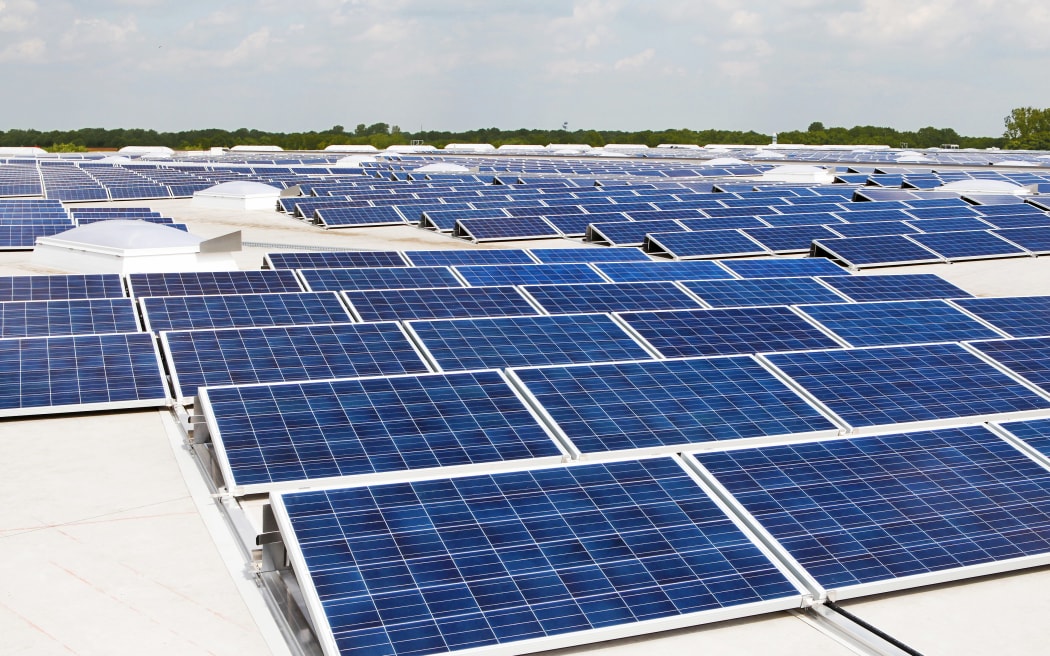
The growth was led by a leap in solar capacity, which grew by 511 GW in 2025 to 2392 GW, confirming its position as the world’s largest renewable source.
The figures are far greater than the 116 GW growth in fossil fuel power capacity and took the share of renewables in global electricity capacity to 49.4 percent in 2025, up from 46.3 percent the year before, the data showed.
More than 100 countries at the COP28 climate summit in Dubai in 2023 agreed to triple rnewable energy capacity by 2030 as part of efforts to meet global climate targets aned La Camera said last year’s additions mean the sector is closer to reaching the target.
“This 700 gigawatts means that we may be quite close in 2030 to the tripling target, not exactly the triple, but very close to it,” he said.
The data shows the annual growth rate in renewable capacity in 2025 rose to 15.5 percent compared with a growth rate of around 15.1 percent in 2024.
Renewable groups last year said meeting the target by 2030 would require annual growth of 16.6 percent from 2025-2030.
New wind energy installations were 159 GW, taking the total installed capacity to 1291 GW.
Capacity is a measure of the amount of power plants are able to produce but they often generate less than capacity if they are taken offline for reasons such as maintenance or refuelling, or in the case of renewables during low wind and sun periods.
Data from think tank Ember last year showed renewable energy sources generated more electricity than coal globally for the first time in the first half of 2025. In all, renewables provided 34 percent of global electricity.
It has yet to publish its full-year data for 2025.
– Reuters