
In partnership with Fujifilm
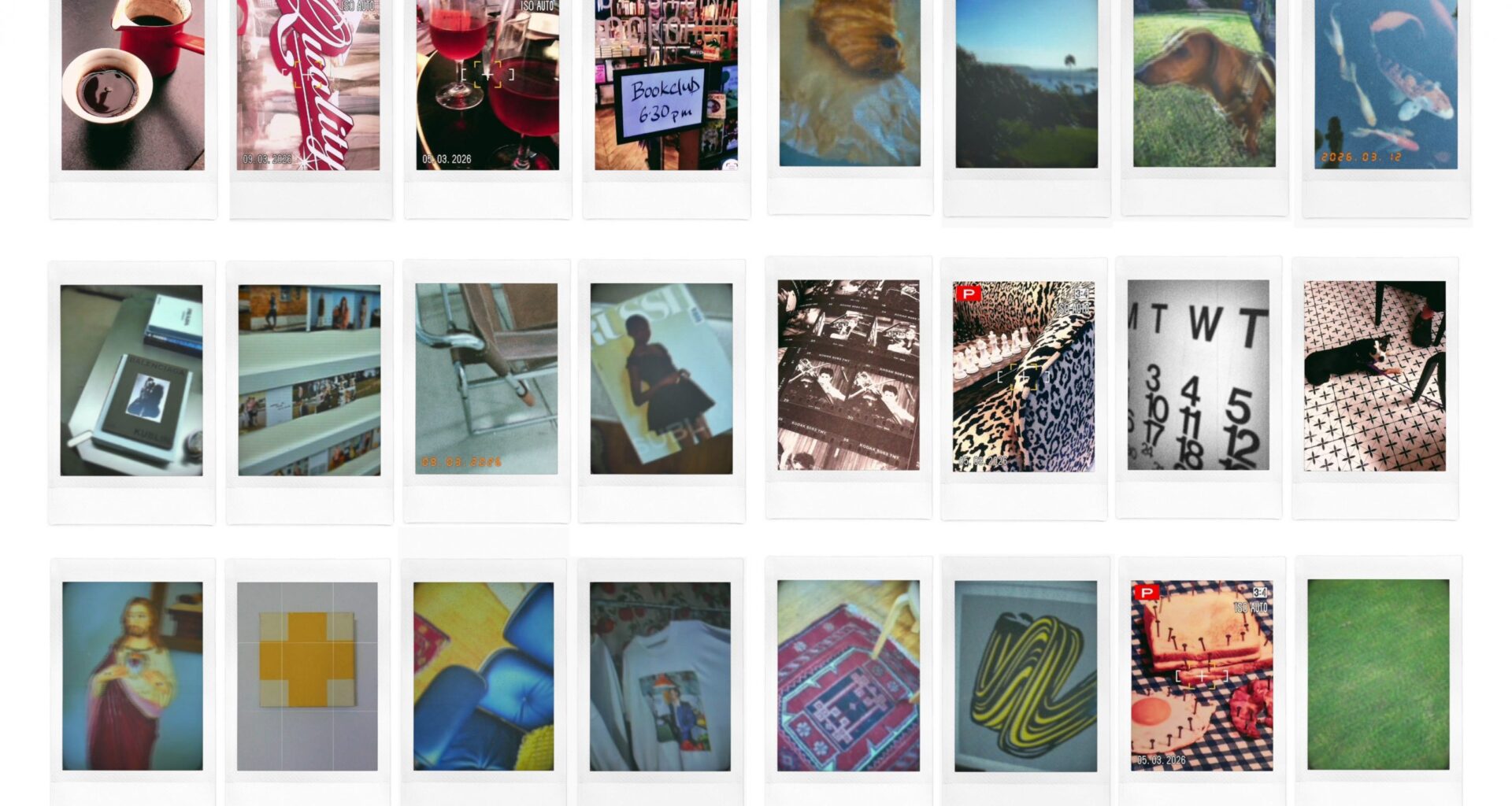
Have you ever wondered what a Brand Art Director’s camera roll looks like? As you can expect, the pace is rarely static – ideas move quickly, references build gradually, and inspiration tends to arrive in fragments rather than fully formed. When I think about the moments that truly catch my eye, I’ve found that paying attention to the in-between – what sits just outside of intention – often shapes the direction of what comes next.
Taking small snippets of daily life through a different lens, is refreshing and has led me to more considered captures. It reminded me to look up, appreciate the nature that surrounds my city life and to feel the breeze. There’s a shift that comes with observing more closely – light, texture, movement – things that might otherwise pass without notice. Working with the Fuji instax mini Evo Cinema has allowed me to move between documenting and responding, without feeling removed from the moment itself.
The instax mini Evo Cinema has generational filters to enhance and suit the mood of what you’re capturing. I tend to move between them instinctively, depending on how something feels rather than how it looks. The camera’s Eras Dial and adjustable controls allow for subtle shifts or more pronounced treatments, creating something that feels closer to memory than documentation.
What I’ve been drawn to most is the way it moves beyond still imagery. Being able to shift between stills and short-form video – capturing up to 15 seconds in fragments – introduces a different kind of storytelling. The clips feel immediate, almost diaristic, and can be stitched together or revisited later through the prints themselves. The idea of embedding a moving moment within something physical – via a QR code – adds another layer, where the image becomes both an object and an entry point.
Inspiration comes from my environment, natural or man-made. I feel you can’t have one without the other. Great typography, or the shape of the magical gingko tree in my garden, art, can lead to ideas that influence my designs on the magazine. These references build slowly, often subconsciously, forming a visual language that carries through my work. Having the ability to capture both stillness and motion allows those references to exist more completely, closer to how they’re experienced in real time.
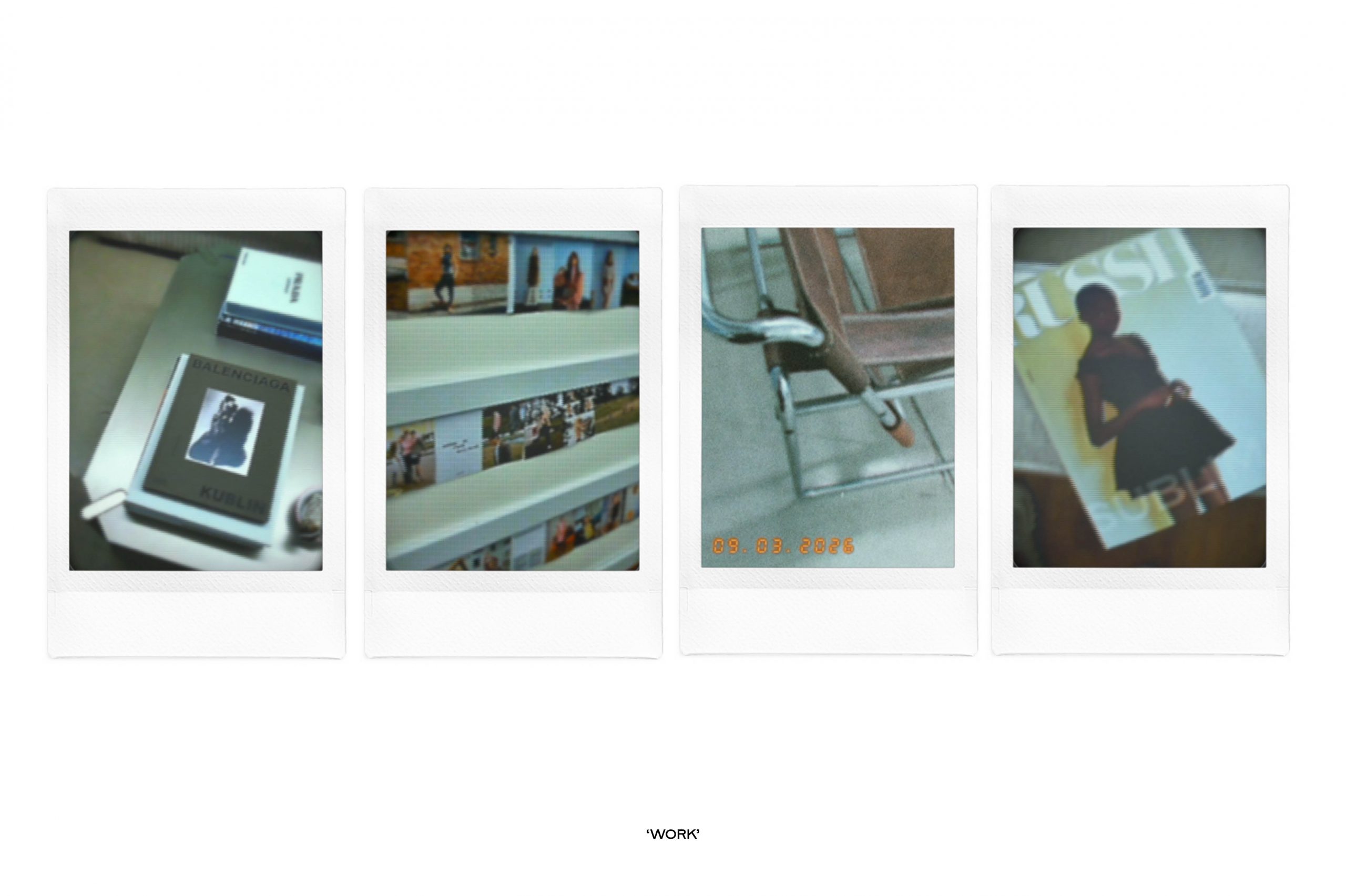
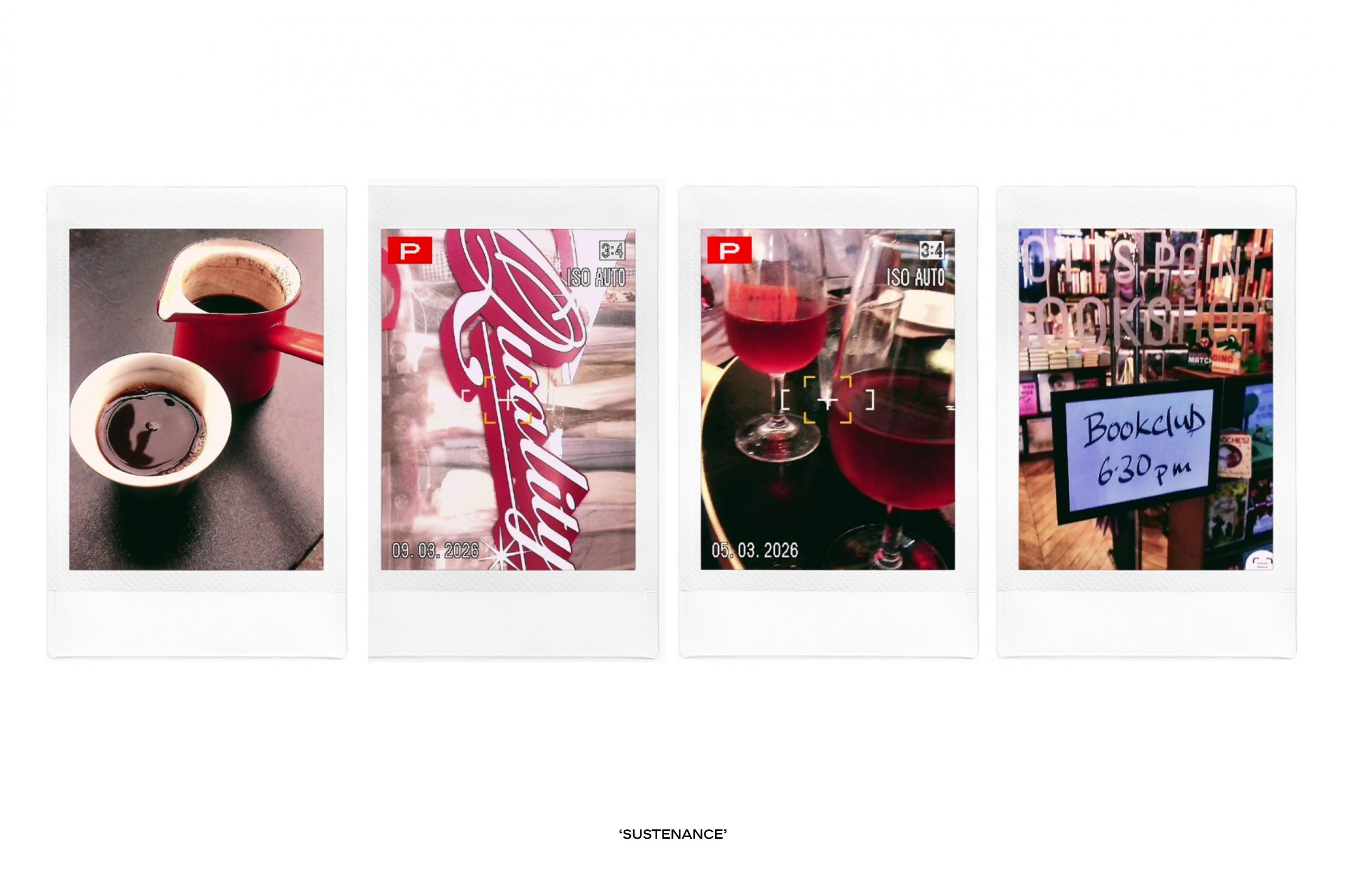
I enjoy the instant gratification of imagery becoming ‘material’, by printing polaroids during the pace of the day. There’s something grounding in that immediacy – watching an image develop, holding it while it’s still new. The camera’s hybrid nature – shooting digitally, then selecting what to print – adds a layer of intention without removing spontaneity. It becomes a process of collecting rather than archiving, where each image or clip feels like a small, tangible extension of a passing moment.
Stay inspired, follow us.

