
We have an “everyday luxury” problem. It may be fancy yoghurts, year-round berries, snacks, pre-made this, that and the rest. Normal now includes what used to be treats, but change is possible.
Reducing grocery bills involves shifting from luxury items and meat to more affordable proteins like lentils.
Meat is one of the biggest cost drivers, and the one people get weirdly defensive about. There’s a story doing the rounds of Reddit of someone who said she gets more pressure to eat protein now than she ever did to take mind-bending drugs. Humans haven’t historically eaten meat every day. Even in hunter-gatherer societies, most calories came from plants.
Radical idea: you don’t need to buy mince at $24/kg. Per gram of protein, steak is about 17c, mince 10c, eggs 15c, tuna 9c, chicken 8c, dried chickpeas and kidney beans around 3c and lentils closer to 2c. If you don’t like lentils, fine. But if you don’t like your grocery bill, something has to give.
Experiment with protein diversification by shifting to more eggs and chicken. Throw a can of lentils or kidney beans into casseroles or pasta to add protein. Or keep insisting you “need” meat every night, and keep paying for it.
This article started as “the lost art of sandwich-making”, before the Middle East exploded. A homemade sandwich lunch with a piece of fruit and maybe a can of tuna costs anything from $2 to $5, versus $10 to $15 buying it. Keep lunch supplies at work for quick, filling lunches. Or prep a week’s worth of frozen lunches ready to go.
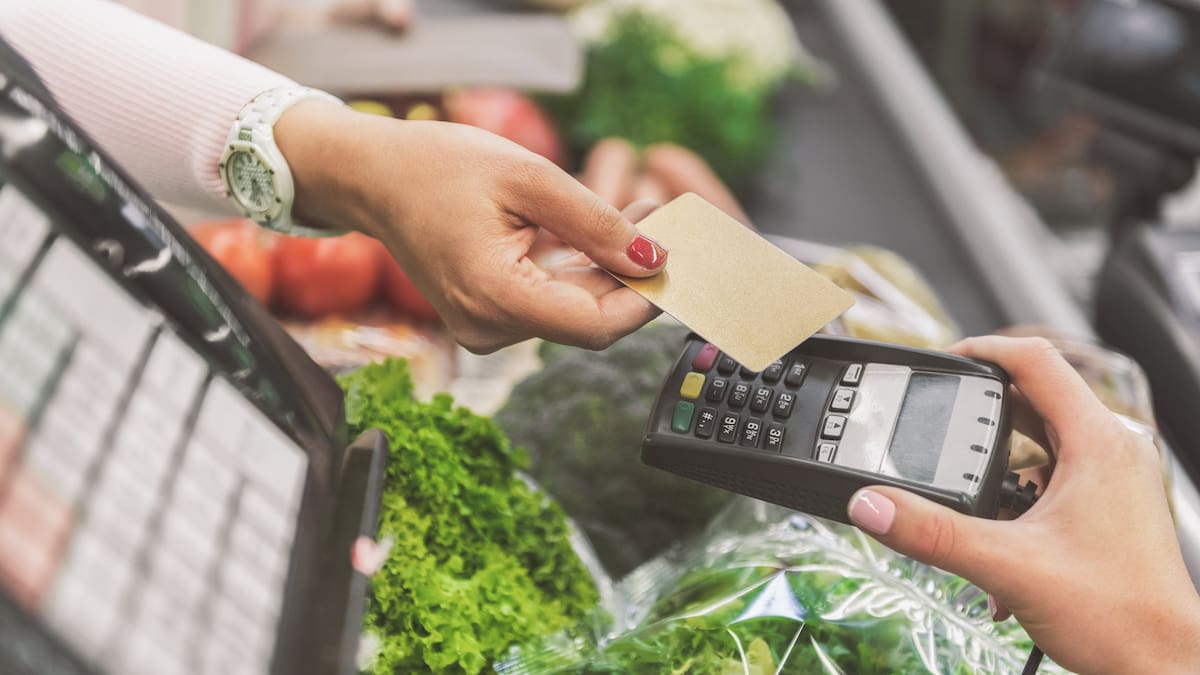
Kiwis can cut costs by reducing food waste and prioritising essentials over everyday luxuries. Photo / 123rf
Watch that supermarket trolley for everyday luxuries. Back in 2022, I wrote an article about the joys of frozen veges, and found myself scouting supermarkets in a range of socio-economic areas. Everywhere, a good chunk of food in people’s trolleys couldn’t be described as essentials or basics. That article is here: Diana Clement: Can frozen veges save us from inflation?
Stop wasting kai. Kiwis throw away 11% of food they buy, according to the Love Food Hate Waste campaign. “If a business lost 11% of its inventory to preventable errors, it would overhaul its operations immediately,” Juno Scott Kelly of Love Food Hate Waste said. “[Treat] every item in the trolley as an investment that must be eaten,” Scott Kelly adds. “Food waste is often habitual and we need to break the ‘just in case’ shop [and] shift from ‘what do I feel like eating tonight’, to ‘what needs eating tonight’.”
Make leftovers your main event. Create an “Eat Me First” zone in the fridge, or use “Eat Me First” stickers, and use your eyes, nose and taste buds when it comes to best-before dates, Scott Kelly said.
Finally, Google and ChatGPT are your friends. Find ways to make this work for you. To do so, you need to remain open-minded above all else and experiment.
Catch up on the debates that dominated the week by signing up to our Opinion newsletter – a weekly round-up of our best commentary.