
With her long, black Polynesian locks and creamy brown skin, Tonga’s beauty queen looks like Moana. I have unwittingly waded into a Disney flick I don’t ever want to end.
Where else in the world, let alone the South Pacific, can you snorkel pristine reef a stone’s throw from the country’s capital alongside the nation’s beauty queen?
I slide into the bath-warm waters and spy a spotted ray before I swim through a school of squid and glide along the reef drop-off, replete with pastel coral galore.
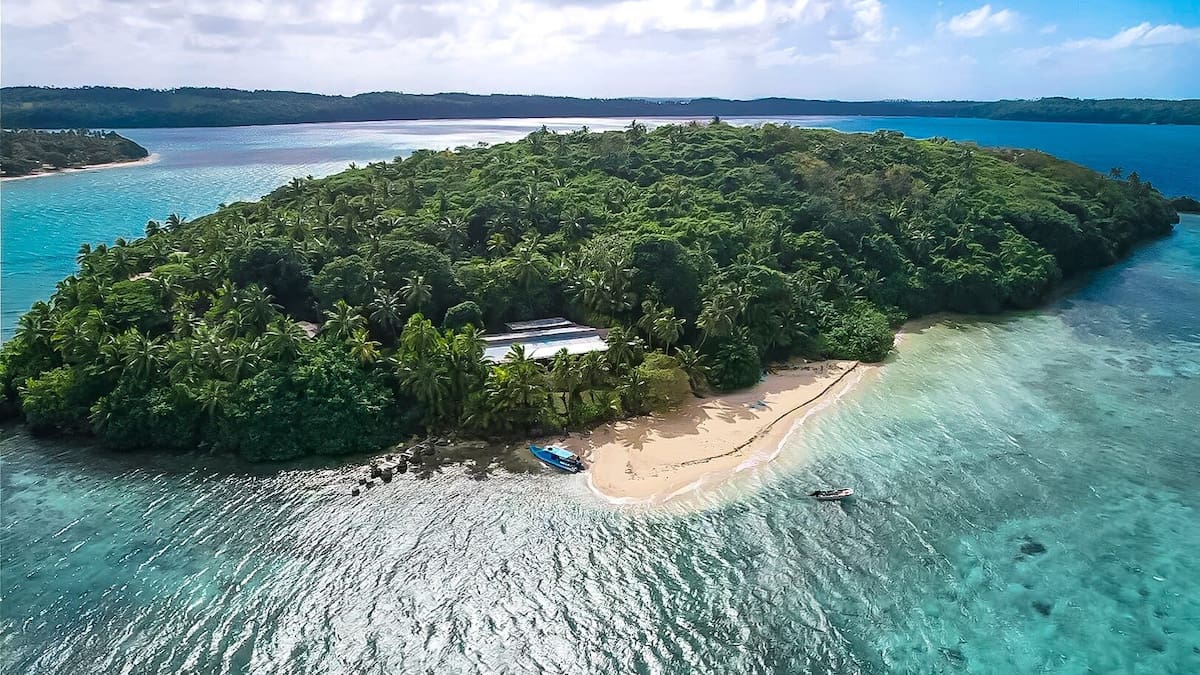
Later, a 30-minute boat ride away through the Piha Passage, I land on Nuku Island, where I’ll encounter white-tipped reef sharks and shy stingrays as I snorkel the choppy channel.
Former South Islanders Simon and his wife Alaina, who hail from near Christchurch, started their Tahi Tonga boat tours three years ago.
Alaina says visitors come to Tonga because it is “quiet, laidback and authentic”.
Tonga is more of an explorers’ destination. Photo / Supplied
“It is a little more of a traveller experience than a resort experience in Tonga.
“It is very safe and you get in a car and you can drive down the road and find a beach and no one will be there.
“Tonga is more of an explorers’ destination. It is a little bit off the beaten track.”
Like Fiji, 40 years ago
Even Ashmeeta Singh Tongia, Tourism Tonga marketing officer, admits tourists come for “the quiet” and “family vibe” rather than the “tourism vibe”.
“Previously, the Tongan brand was ‘Tonga, the true South Pacific’ and we’ve just changed it to ‘Tonga, the Friendly Islands’,” she says.
“After three years of consultation, we’ve come to understand people see us as the friendly islands. This extends from our accommodation all the way to our market stalls.
“If we walk out on the streets and see some people eating, they will offer you food. In Tongan society you must call out and offer help.”
Swimming with whales in Tonga. Photo / Supplied
Shane Walker, who owns Tongan Beach Resort and Tongan Beach Whale Swim among a string of tourism businesses on the northern Tongan island of Vava’u, has been dividing his time between his native Auckland and Tonga since the mid-1980s.
“It’s how Fiji was 40 years ago. We’ve got close to 200m of our own private beach and you get in the water and it just goes deep, unlike a lot of Pacific Island resorts where you are knee deep in water on low tide,” he says.
“Our repeat New Zealand visitors liken it to a Kiwi holiday home but in the tropics.
“We don’t have the floating barges with the bars but there is a bit out here to see.”
Island life
It takes four hours to drive around the main island of Tongatapu where roads are flanked by banana and papaya stalls and the occasional free-range pig or kid.
Along the waterfront, cafes inhabit shipping containers, and simple seafood shacks sell sea urchin and mussels freshly plucked from the ocean.
The monarch’s waterfront abode. Photo / Supplied
The only remaining kingdom in the South Pacific, the monarch’s waterfront abode is more colonial-style home than stuffy British palace. Rumour has it the much-loved King Tupou VI himself likes to sneak across the road to the Royal Nuku’alofa Club for a brew or two.
On the south coast, and after you pass the “three-headed coconut tree”, Hufangalupe is considered the best land-based spot from which to view migrating whales from July to October.
Further along, head to Katea Resort after Sunday church for a traditional feast replete with suckling pig with a hibiscus flower tucked in its ear and live gospel-style music.
On the island’s north, you can witness Tonga’s “fishing pigs” who scavenge the ocean at low tide for small fish and crabs. Locals believe the flesh of this seafood-loving swine tastes more flavoursome on this part of the island.
Sailors flock here during whale season. Photo / Supplied
On the western tip of the island, Haʻatafu Beach is renowned for its white sand, snorkelling and surf.
Along the way, where flying foxes hang in trees like Christmas decorations, visit Tsunami Rock, a gigantic boulder believed to be the largest tsunami debris ever swept inland anywhere in the world, and the island’s natural blow holes.
On the island’s east, take a short trek into ʻAnahulu Caves and bathe in crisp, clean water surrounded by stalagmites and stalactites.
Something old, something new, something quirky
For the past 60 years, Tanoa International Dateline Hotel has stood pride of place along Tongatapu’s waterfront. One of the oldest accommodation offerings in Tonga, this 120-room establishment is the only 4.5 star hotel and boasts the only pool where local children take their swimming lessons each afternoon.
Further along the waterfront, the boutique Kongakava Hotel is one of the newest, opening in 2024.
The 10 rooms here whisper South Pacific luxe, with modern furnishings, plush robes, TVs, kitchenettes, air-conditioning, and rainforest shower heads.
Tukulolo tree houses in Makaunga Village. Photo / Supplied
On the island’s east in Makaunga Village, Tukulolo Tree Houses have just finished building their fifth tree house from recycled timber and other discarded materials on the island.
These quirky tree houses, a first for Tonga, sit in a jungle setting and are accessible by swinging suspension bridges.
Preserving culture
Ancient Tonga owner Jessica Afeaki offers a two-hour tour which showcases local culture and magic.
“Tonga is still under-developed but we have stuff to offer if people take the chance to come,” Afeaki says.
Local culture in Tonga. Photo / Supplied
“We are less commercialised than our South Pacific neighbours which is a big thing. If you want a genuine connection and to learn something that’s very real, then Tonga is where you should come.”
Afeaki says Tongans describe a traditional kava ceremony as “Puke Puke ‘a e fonua” or “Holding up the nation”.
It’s an apt description for these tourism operators holding up their unique traditions and culture to the world. Come and see it for yourself.
DETAILS
Air New Zealand flies between Tonga’s Nuku’alofa and Auckland every day except Sunday. The flight time is around three hours.
The writer travelled as a guest of Tonga Tourism