
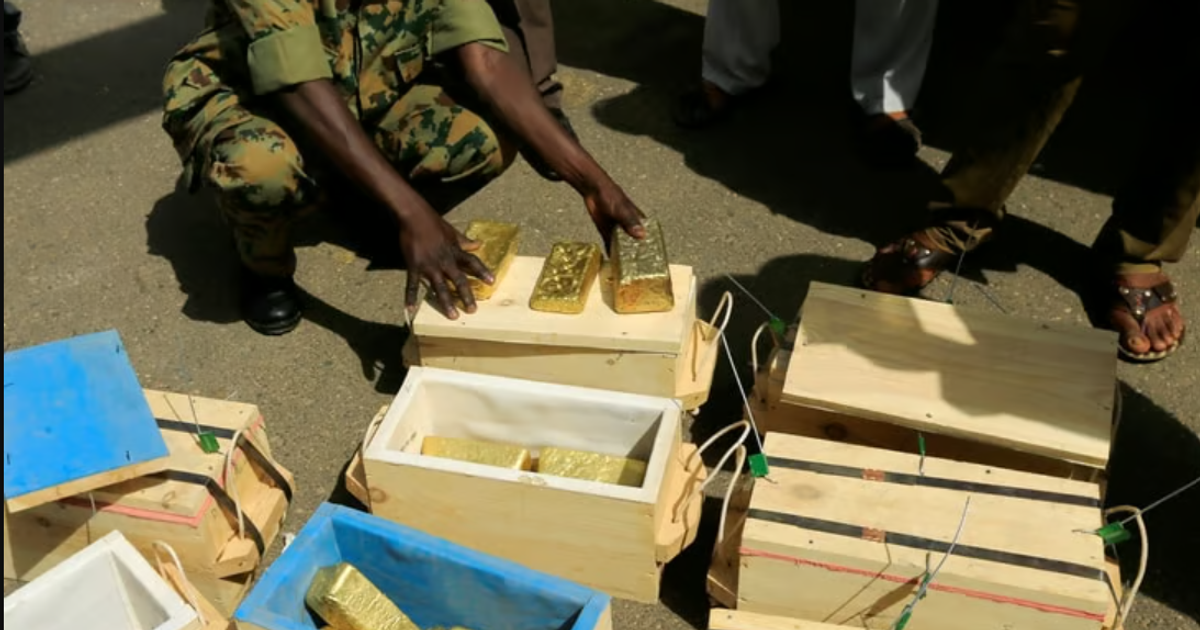
During a Council of Ministers meeting on April 5, Prime Minister Judith Suminwa unveiled a strategy focused on improving traceability, strengthening oversight, and formalising gold flows that have long been dominated by informal and cross-border networks.
The reforms come amid growing concern that the country is losing significant income due to smuggling and weak regulatory enforcement.
At the centre of the initiative is a multi-ministerial working group tasked with proposing concrete solutions to longstanding gaps in the monitoring of gold production and exports.
Authorities plan to revise the traceability manual for mineral products, covering the full chain from extraction to export, while also overhauling the framework governing the Specialized Center for the Purchase, Marketing, and Export of Gold from Artisanal Mining.
Africa’s growing shift toward resource control

Kinshasa’s move reflects a broader trend across Africa, where governments are seeking greater control over strategic minerals as global demand rises.
A report by the Canadian Mining Journal claims that up to $35 billion worth of gold from Africa’s artisanal and small-scale mining sector goes unreported and is often smuggled out.
In Tanzania, sweeping mining reforms under former President John Magufuli increased state ownership in gold projects and forced renegotiations with multinational firms.
Similarly, Ghana has expanded state participation in gold trading through initiatives like Gold for Oil, aimed at boosting foreign exchange reserves and reducing leakages.
Elsewhere, Mali and Burkina Faso have revised mining codes to secure larger state stakes and tighten oversight, particularly in artisanal mining zones prone to smuggling.
In the DRC, reforms will also include integrating mining cooperatives and traders into the formal banking system to improve transparency, alongside deploying technical agencies at border points to monitor exports more effectively.
A pilot phase in the gold-rich Haut-Uélé province is expected to test the framework before broader implementation.
The government hopes the measures will not only boost revenues from gold but also align the sector with international certification standards, positioning the DRC to better benefit from its vast mineral wealth while curbing illicit trade.