
“New Zealand is unusually car-dominated,” Woodward told the Herald. “We have more cars per thousand population than almost any other country. And our transport system for the last 50 years has been built around the motorcar.
“So it’s no wonder that so many people depend on driving a car to get to where they need to go. One of the problems is that means we’re also dependent on the fuel that goes into the car. And the great majority of New Zealand’s cars, of course, are driven by petrol or diesel.”
According to Environmental Health Intelligence New Zealand (EHINZ), there were 4.7 million vehicles in the country in 2023, up from 2.9 million in 2004.
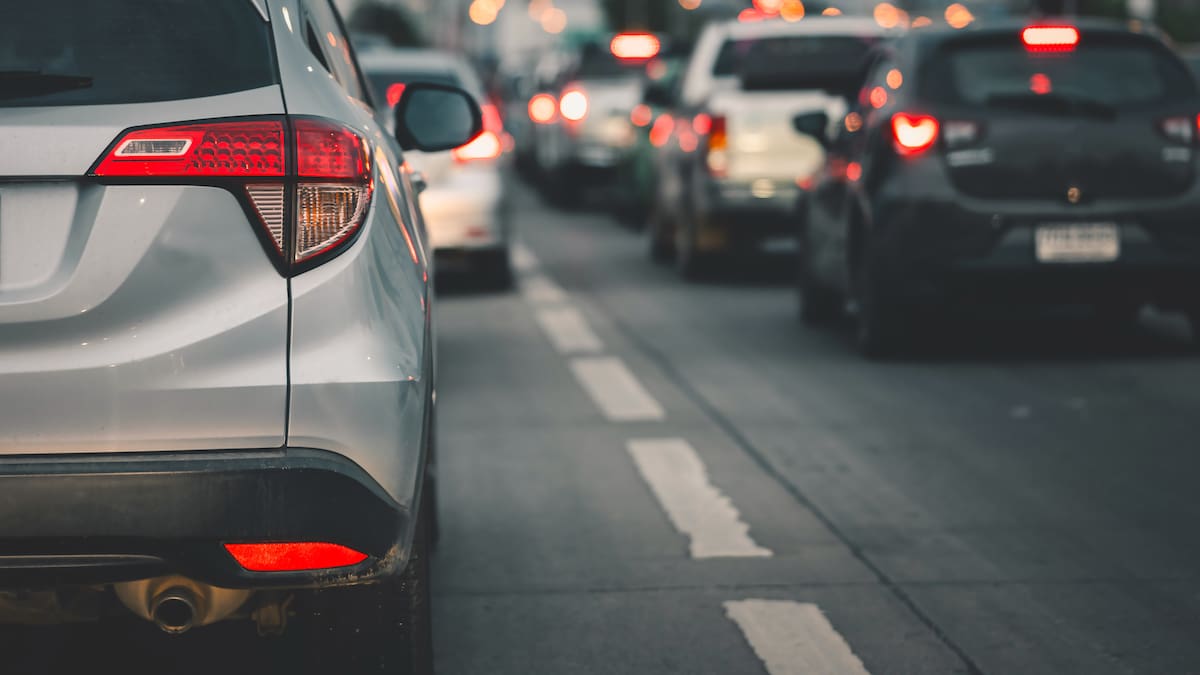
A new report shows how car-dependent New Zealanders are. Photo / 123rf
EHINZ also highlighted that “the number of light vehicles per capita remains high relative to other countries at 817 vehicles per 1000 people in 2023”.
Woodward said New Zealand’s car culture stems from “critical decisions” made at various points throughout history – as well as ones made more recently.
“New Zealand’s cities used to have trams, but local government and central government decided to pull up tram lines and rely instead on buses. Of course, that didn’t happen in many other cities around the world.
“There was a deliberate decision to invest early in a motorway network, which again was not the same in every country. And it did mean that we were launched in the American direction of big roads and many motor vehicles and limited use of alternatives such as rail.
“So as the transport system was developed and became increasingly weighted towards servicing motor vehicles, then of course people responded by driving rather than moving in other ways.
“The current Government has recently, unfortunately, turned in the wrong direction in so many ways in terms of withdrawing incentives for people to move to electric vehicles, in terms of investing very heavily in major freeways and big roads, in reducing or removing altogether investments in footpaths and bike infrastructure … I would hope that the Government will recognise that they’ve taken a wrong turn and move in a different and more sustainable direction in the future.”
The number of motor vehicles in New Zealand continues to rise. Graph / EHINZ
Woodward said the fuel crisis has shown why the country’s reliance on cars for transport is “a strategic liability”.
“It’s a crisis and obviously in the short term people need to get to work, the kids need to get to school, vital goods need to be transported around the country. So in the short term we need to look for ways of securing our fuel supply.
“I think it’s important to recognise that our history as a car-dominated country is a strategic liability. It’s not only a bad thing in terms of climate, we know that the transport system is a major source of greenhouse gases. It’s a bad thing in terms of human health, we know that the effects of the transport system on human health are similar to the effects of tobacco.
“But it’s a strategic liability at a time when fuel supplies are insecure. So in the medium to long term, we need to find ways of moving to alternatives. And that includes vehicles that are not fossil fuel-powered. It means looking for alternatives to the private motor vehicle so that we have, for example, a public transport system that is fast, accessible, affordable, high quality and attractive.”