
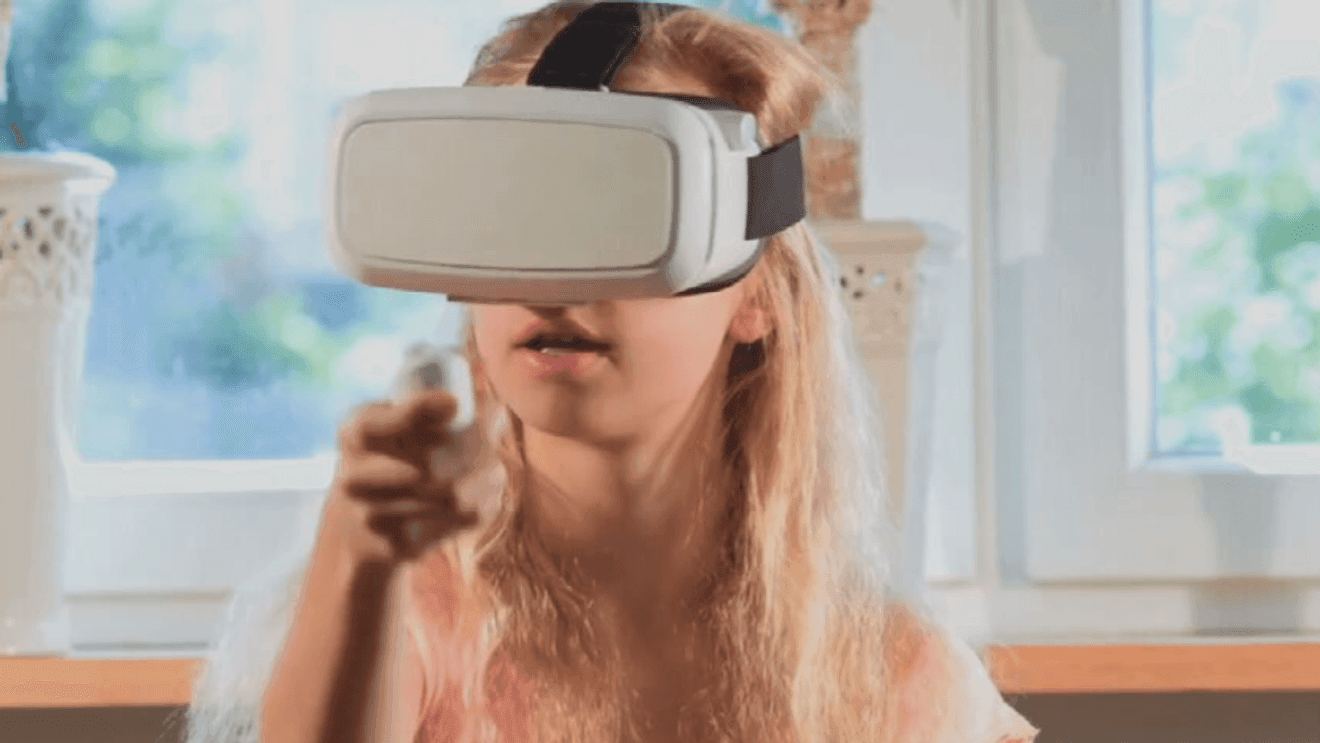
PENSACOLA, Fla. — Learning in the classroom is taking on a new dimension, literally.
A company called Optima is using virtual reality to bring students into the metaverse. Offering everything from daily lessons to virtual field trips out of the country.
After the challenges of “Zoom school,” one company says it found a way to keep students engaged.
Instead of logging into a grid of faces, students enter class as avatars in a virtual world.
“If you can imagine the Magic School Bus and Ms. Frizzle taking kids to ancient Rome inside the cell or to the moon, we’re able to actually transport learners into these environments, which you can’t do in traditional online environments,” CEO of Optima Adam Mangana said.
Optima is an online charter school combining live classes with immersive experiences using VR headsets.
“This is social VR, and one of the reasons we’ve had such success is that we don’t have students passively experiencing something,” Mangana said. “We have them interacting, interfacing, and we’re creating a model that’s much more human in nature.”
The goal is to make learning accessible and flexible; enrollment and equipment are free for anyone in Florida.
For CEO Adam Mangana, this hits close to home.
“My daughter, who because of covid started two grade levels behind, is currently in sixth grade,” Mangana said. “She started with us in third grade, and she was reading on a first-grade level. This past week, she tested, and she’s now reading on a ninth-grade level, and she’s in sixth grade.”
Mangana says this type of learning can also ease teacher shortages.
“This provides the kind of relationship-based experience that teachers expect and really demand and expect as somebody who cares deeply about children’s growth,” Mangana said. “It also allows the flexibility and modularity of being able to work remotely.”
Local educators say virtual learning already offers flexibility, but it really depends on the student if it is successful.
“There are certain students that need that structure that kind of forces a rigid origin of their day,” Escambia Virtual School Coordinator Chris Everette said. “In our program, those flexible students accelerate with that concept.”
The Escambia County virtual schools do not use VR, but officials say it could be a plus.
“I could see that being a positive; there are situations where students who are at home can be easily distracted because they’re at home,” Everette said.
Both agree technology should support teachers.
“We think that this isn’t going to replace teachers, but it’s going to enrich and enhance what teachers can do and enrich the learning environment,” Mangana said.