
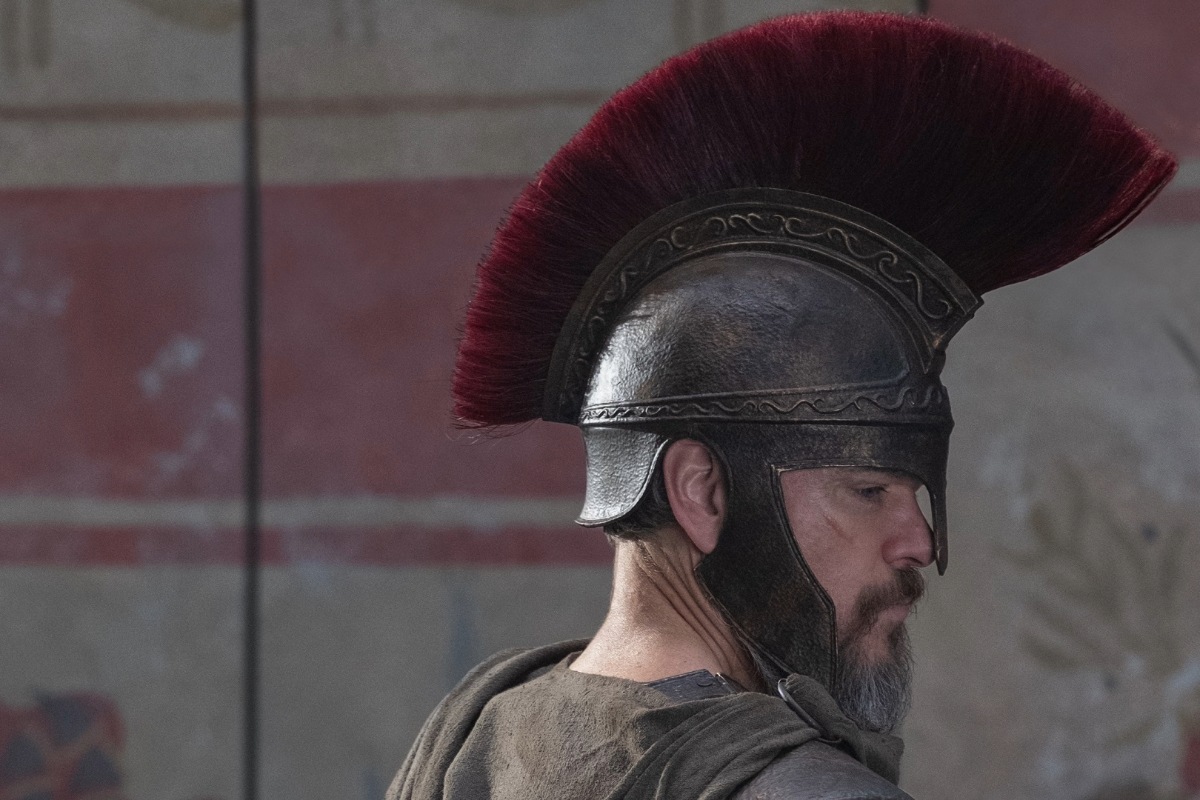
Think you’re ready for Nolan’s next epic? The real preparation hides in ancient arenas and chariot dust, where a handful of stubborn classics could upend what you expect to see.
Christopher Nolan’s “The Odyssey” arrives on July 15, 2026, engineered for the wall-shaking immersion of IMAX and rooted in the grand, fate-obsessed sweep of the peplum. To tune your eyes and ears, five pillars of the form set the pace: Ben-Hur, Spartacus, Gladiator, Alexander, and Troy. Together they sketch the genre’s appetite for colossal sets, bruising battles, and tragic heroism, while echoing the tactile realism Nolan favors from the school of Wyler and Ridley Scott.
Circle 07/15/2026 on your calendar. Christopher Nolan’s next blockbuster, The Odyssey, is built for IMAX and for big feelings. The promise is clear: revive the grandeur of the peplum, those monumental tales where destiny and spectacle collide. Nolan’s taste for clockwork narratives, tactile sets, and moral complexity makes this return to ancient heroics feel both inevitable and exciting.
Christopher Nolan returns with an epic: The Odyssey
Peplum, often called sword and sandal, took shape in the silent era and soared in the 1950s. These films draw on Rome, Greece, and other classical worlds, staging rites of power and memory. Their signature mix is precise: grand battles, tragic heroes wrestling with fate, and sumptuous settings that keep myth and history breathing.
The peplum genre: ancient myths on screen
Before The Odyssey hits theaters, dive into 5 keystones that sketch the genre’s range, from intimate psychology to sweeping pageantry. They also hint at paths Nolan loves, indeed, the tight braid of human stakes and spectacle.
Troy, 2004, Wolfgang Petersen: Brad Pitt’s Achilles turns the Trojan War into a study of pride and mortality, a grounded take that could echo Nolan’s preference for reality-tinted myth.
Alexander, 2004, Oliver Stone: Colin Farrell charts ambition, doubt, and fractured legacy. Leadership and flaw intertwine, a tension likely central to any Odyssean homecoming.
Gladiator, 2000, Ridley Scott: Russell Crowe’s Maximus marries grit with emotion, setting a modern standard. The tactile arenas and dust-caked textures show how practical scale deepens feeling.
Spartacus, 1960, Stanley Kubrick: Kirk Douglas leads a revolt shaped with rigorous composition. Politics and steel meet in impeccably staged formations that never lose sight of the individual.
Ben-Hur, 1959, William Wyler: With 11 Oscars and a thunderous chariot race, it remains the benchmark for immersive, crowd-powered spectacle that still feels immediate.
Nolan: a master of realism and epic ambition
Nolan tends to favor real sets over heavy CGI, trusting physics, geography, and time to do storytelling work. This is the case with filmmakers he admires, like William Wyler and Ridley Scott, who conjured worlds you can touch. In addition to visual authenticity, that approach anchors emotions, turning colossal canvases into tightly felt journeys.
Where to stream these peplum classics
As the countdown to The Odyssey begins, you can revisit these films on major platforms like Netflix, Prime Video, or Canal+, depending on your region. So where should you start? Queue them up in the order above, and let each title sharpen your eye for scale, character, and the kind of spectacle Nolan loves to bend toward truth.