
99 Bikes has recorded a staggering 136 per cent increase in sales over the last week alone – a trend consistent across every state. Bikes, e-bikes and e-scooters are booming. (iStock)
Unlike the COVID-19 bike boom, which was largely driven by boredom and the urge to escape the house, this time, it’s different.
“We’ve seen a clear shift for people as bikes, e-bikes and e-scooters become a solution to the rising cost of fuel and a long-term cost of living fix,” says David Miller-Heidke, General Manager of 99 Bikes.
Head of Digital Antoine Vaxelaire reports that online orders in the cycling category have jumped 50 per cent year-on-year in just the last fortnight.
He notes that cycling is increasingly viewed “not just as a sport or leisure activity, but as a smart, everyday response to rising fuel costs.”
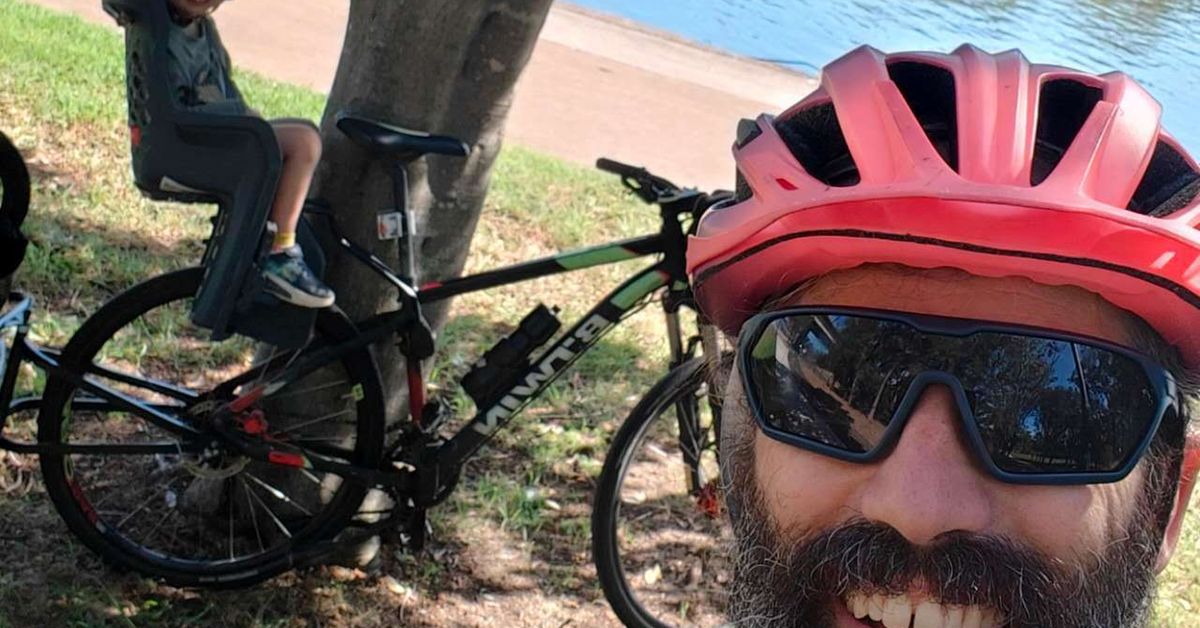
 Decathlon Australia customer Jerémie Siguan is loving the switch from car to bike. (Jerémie Siguan)
For many, the move isn’t about buying a new toy, but replacing a second family car.
Sydney dad Jerémie Siguan recently invested in a bike for his three-year-old son Django’s daycare runs.
“I’ve always loved cycling for leisure, but it never crossed my mind as a practical, everyday solution – the fuel crisis changed that thinking pretty quickly,” he tells nine.com.au.
“We needed something that could replace the car for day-to-day life, not just the occasional weekend ride.”
The Bronte local says the switch from car to bike has also led to a new routine.
“There’s something that just feels better about being out in the fresh air and moving, rather than sitting in traffic. It’s also given us genuine quality time together, something we didn’t expect but now really value,” he adds.
 E-bike subscription services are seeing a 15% spike in inquiries. (iStock)
When it comes to e-bikes, while the savings in fuel are immediate, the upfront cost often ranges from $5,000 to $10,000.
As a result, subscription services have seen a 15% spike in inquiries in recent weeks.
Katrina Khao, Head of Marketing at Lug+Carrie, says the service is effectively “recession-proofing” household budgets in Melbourne, Sydney, and Brisbane.
“Over the last five years, our users have collectively saved an estimated $1 million in petrol costs by swapping car trips for Lug+Carrie e-bikes,” Khao says.
As the cost of living tightens its grip, the humble bicycle is proving a popular way to commute. For those still paying $2 plus at the pump, the message from the bike path is simple.

“The fuel situation might be what first gets you thinking about it,” Siguan says.
“But once you start riding, you quickly realise the benefits go well beyond just saving money.”
NEVER MISS A STORY: Get your breaking news and exclusive stories first by following us across all platforms.