
How does El Niño affect our planet?
Depending on its strength, El Niño’s effects can be far-reaching, influencing storm patterns, drought, wildlife populations, and even how fast the Earth spins.
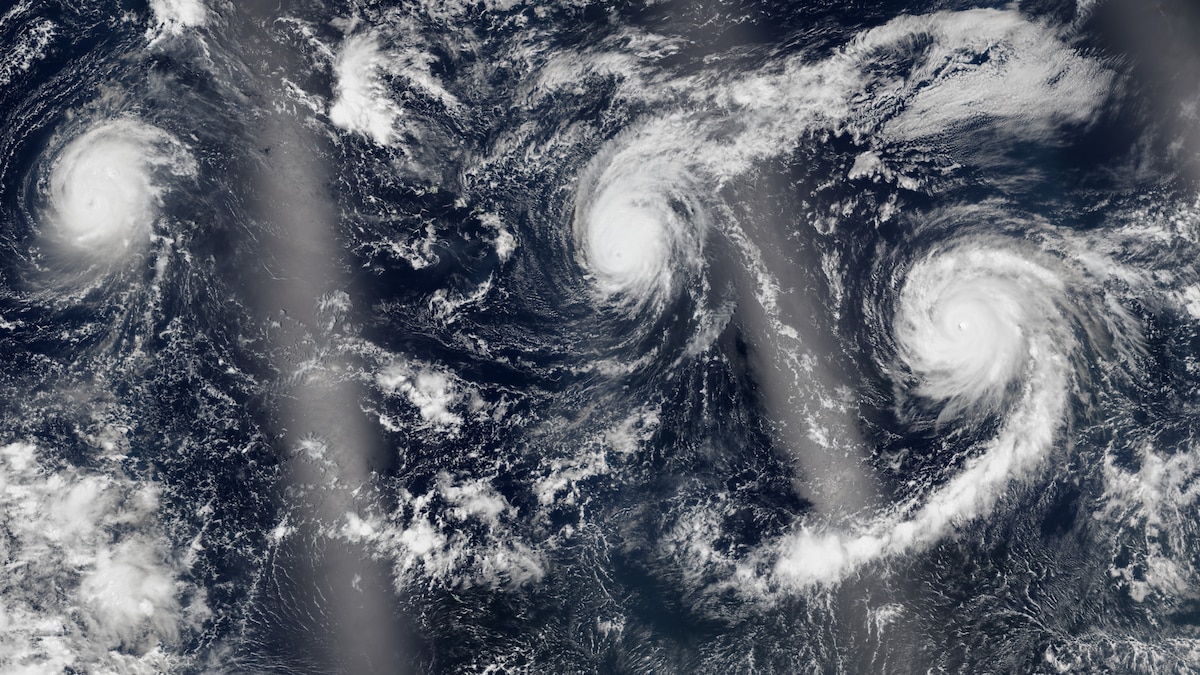
Warmer waters in the central and eastern parts of the tropical Pacific could mean more intense storms there—and those storms can influence weather across the globe.
El Niño pushes jet streams further south, says Becker. In the past some places including the southeastern United States and Texas have seen more rain, while other places including southern Africa experienced more heat and drought, which hurt food crops and led to hunger. Less rainfall and warmer temperatures in Indonesia and Australia have also meant more wildfires there.
Warmer water in the Pacific ultimately leads to warmer air as well. In the past, El Niño years have been some of the warmest on record.
The reverberations of El Niño can also have trickle-down effects on wildlife populations. The penguin population on the Galápagos Islands severely crashed after two strong El Niño events in the 80s and 90s, according to a 2006 study in Biological Conservation. The warming oceans caused by the weather patterns reduced the number of macronutrients and fish in the water, which in turn may have starved the penguin population.