
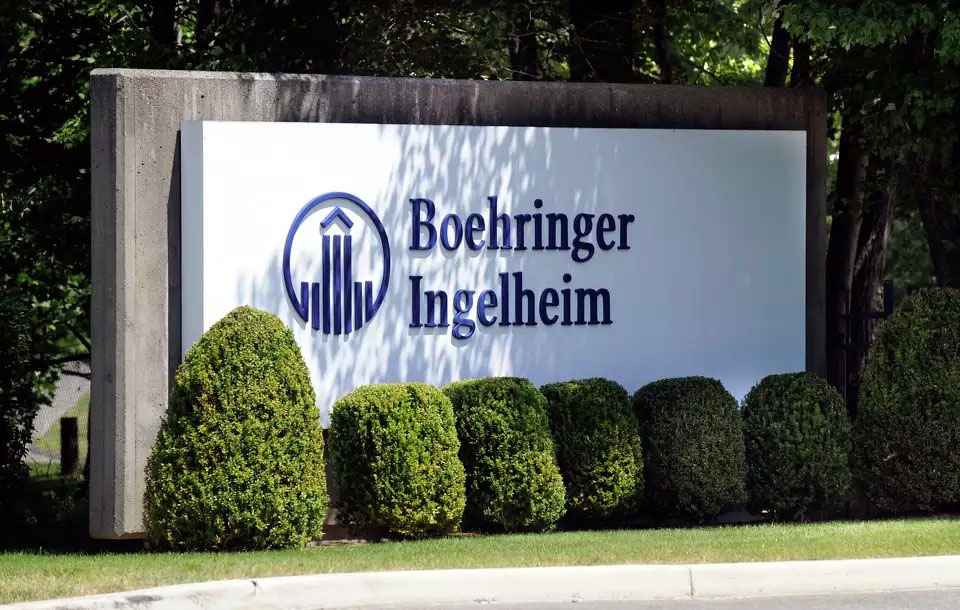
WATERBURY – A group of 95 people with cancer diagnoses has filed a class action lawsuit in state Superior Court alleging that Ridgefield-based pharmaceutical giant Boehringer Ingelheim did not warn the public about cancer risks associated with the recalled heartburn drug Zantac.
“[Boehringer Ingelheim] had little incentive to investigate the dangers in a product that was producing over $1 billion in annual sales,” reads a 64-page complaint filed by a West Haven attorney on behalf of the people with cancer. “Instead, [Boehringer Ingelheim] turned a blind eye to the fact that ranitidine transforms, over time and under particular conditions, into … a well-known cancer-causing compound.”
Ranitidine is the generic version of Zantac, which made headlines in 2020 when the federal Food and Drug Administration issued what amounted to a recall due to “unacceptable levels” of “a probable human carcinogen” in the heartburn drug, launching thousands of lawsuits across the country.
The latest class-action lawsuit in Waterbury Superior Court is a Connecticut case, the lead attorney argues, because “substantial activities related to … ranitidine-containing products were performed by [Boehringer Ingelheim] in Connecticut.”
“[Boehringer Ingelheim] made decisions regarding the design, testing, regulatory communications and processes, marketing strategy, labeling and warnings content for ranitidine-containing products in the state of Connecticut,” writes attorney Craig Raabe in a Feb. 24 complaint.
Raabe is referring to the Germany-based company’s U.S. headquarters in Ridgefield – a 300-acre campus that crosses into Danbury and employs 2,000 people in 14 buildings. In December BI pledged to invest $10 billion in research and development in the United States through 2028, part of a “broad agreement with the Trump Administration” to lower the cost of medicines for American patients.
The Connecticut lawsuit charges that a Waterbury man and 94 people from other states would not have contracted cancer were it not for BI’s “intentional and/or reckless disregard for human life.”
“[The people] are individuals who suffered personal injuries and/or death as a result of using [Boehringer Ingelheim’s] dangerously defective ranitidine-containing products,” the lawsuit alleges.
Attorneys for Boehringer Ingelheim had not yet responded to the charges in court by Friday. Officials at the company’s U.S. headquarters in Ridgefield did not immediately respond to a request for comment on Friday.
The company made national headlines a year ago when a jury in Chicago found in its favor following a trial of two men who alleged they developed prostate cancer as a result of taking Zantac.
“While Boehringer sympathizes with both plaintiffs, the outcome of this case is entirely consistent with the totality of the scientific evidence, which shows that Zantac does not cause any type of cancer,” the company said in a statement, according to a published report.
BI is no stranger to high profile lawsuits.
In 2014 the company announced it agreed to pay $650 million to settle thousands of state and federal lawsuits questioning the safety and marketing of its blood-thinning drug Pradaxa.
And in 2012 the federal Justice Department announced Boehringer Ingelheim would pay $95 million to settle allegations that the company promoted three drugs for uses that were not medically accepted. The three drugs were Aggrenox, Combivent and Micardis.