
“When I send in my cancer cases and my high-risk cases, they are getting seen quicker,” she said.
“From a benign and chronic pain perspective, there are still challenges, and the wait is still long.”
Newman said many women were not even being referred, as their cases were considered low-priority.
Waipukurau woman Cerys James, 22, has been experiencing the delays for about four years.
James said her endometriosis has caused her years of chronic pain, heavy bleeding, major weight loss, missed work, fertility concerns and antidepressants to cope with the toll on her mental health.
She said she takes codeine “just to function”, and during her period often needs four days off work because the pain is so severe she cannot walk without a stick.
“Honestly, it feels like something’s trying to pull your uterus out from inside you, but there’s also the strong stabbing pain,” she said.
The condition has also affected her social life.
She said she often cancels plans with friends because of flare-ups and has had to give up hiking, which she used to enjoy.
James’ symptoms began when she was 13, with severe period problems.
By 17, she was bleeding for up to three weeks of the month and was referred to gynaecology through her GP.
After being told there was a long public waitlist, she paid about $450 for a private consultation and ultrasound in 2021, where she was told she had suspected endometriosis and urgently needed surgery.
But the wait continued.
Throughout the years, James has continued seeking answers, paying for private care where she can.
“I had never seen anyone from gynaecology on the public waitlist until my first appointment in 2025,” James said.
Last year, after a publicly funded outsourced laparoscopy, doctors confirmed she had stage 3 endometriosis.
James said she expected the endometriosis and ovarian cyst to be removed during that procedure, but was later told she would need to wait again for a second surgery because the surgical team was “unprepared” for what they found.
She is now on the surgical waitlist once again.
She said she felt “frustrated” that her most recent letter advised it could be another six to 14 months before she receives a surgery date.
“The waiting and the lack of care make me feel hopeless.”
James has also been diagnosed with chemical gastritis, believed to be linked to long-term pain-relief use.
She said she looked into private surgery and was quoted about $21,000 several years ago.
“I can’t afford that.”
James also believes the endometriosis has affected her fertility and has recently started antidepressants to manage the impact on her mental health.
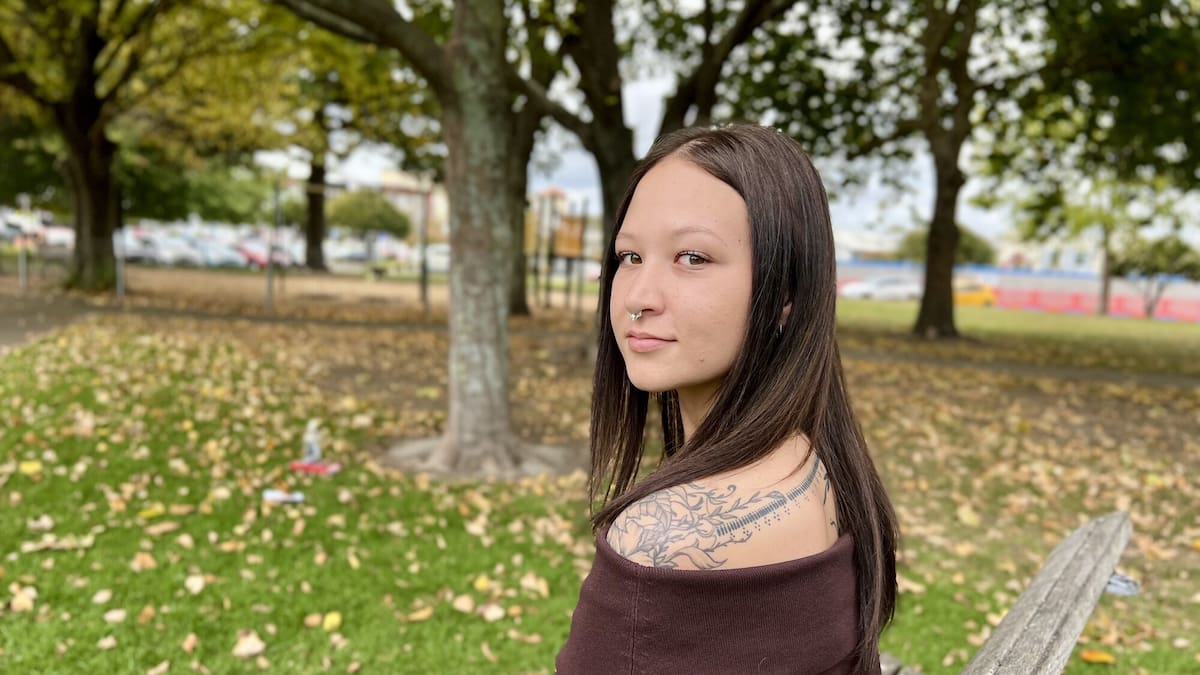
A publicly funded outsourced laparoscopy, confirmed Cerys James had stage 3 endometriosis. Photo / Rafaella Melo
Health NZ Hawke’s Bay group director of operations David Warrington acknowledged the distress the situation had caused James.
“[She] is currently on the surgical waitlist for a planned procedure, following earlier assessment and treatment,” Warrington said.
“Support and options have been offered throughout this process, and care decisions have been made in partnership with the patient, which has influenced the overall timeframe.”
James was offered a second surgery to remove remaining endometriosis, a second opinion and contraception treatment.
Clinical notes indicate she was at times hesitant about further procedures because of previous experiences, declining some options – including contraception treatment, which she said had not helped her in the past – before later agreeing to return to the surgical waitlist.
Warrington said long wait times for gynaecology services in Hawke’s Bay reflected ongoing demand and workforce pressures, with cases prioritised based on clinical urgency.
Since mid-2025, Health New Zealand has increased capacity by hiring a full-time obstetrician and gynaecologist, engaging a locum specialist, and recruiting another specialist who will start in 2027.
Warrington said over the past year, 542 patients had been discharged from the gynaecology surgical waitlist following treatment.
The latest figures mark an improvement on the situation last year, when more than 900 women were waiting for care in the region.
One of those women was Napier’s Ally Naylor, who was featured by Hawke’s Bay Today in July 2025 while waiting in pain for treatment for adenomyosis.
Her condition worsened later that year, leading to a four-day hospital stay before she underwent a publicly funded surgery in September.
“I ended up having my uterus and my ovaries removed and I’m just back to the person I was. I’m just back to my normal self again,” Naylor said.
Napier’s Ally Naylor underwent a surgery in September after two years on the waitlist for gynaecology care. Photo / Rafaella Melo
She is now able to return to work and said her experience highlighted the importance of timely access to treatment.
“When they do these surgeries, it really does significantly change people’s lives. We can contribute back to the community and the local economy because we’re able to get back to work,” Naylor said.
“[It’s] shocking that it’s still that many people waiting, but also not surprising.”
Dr Newman said the solution to cases like Naylor’s and James’ lies in systemic changes to address chronic pain and menopause issues.
The primary issue was the lack of funding for women’s health, she said.
“The current approaches are the same as they’ve always been. So that’s also why I believe we’re not decreasing the distress,” she said.
She suggested collaborative efforts in Hawke’s Bay to find cost-effective solutions, and said education tools, including the female GP website and community initiatives, could help better support women.