
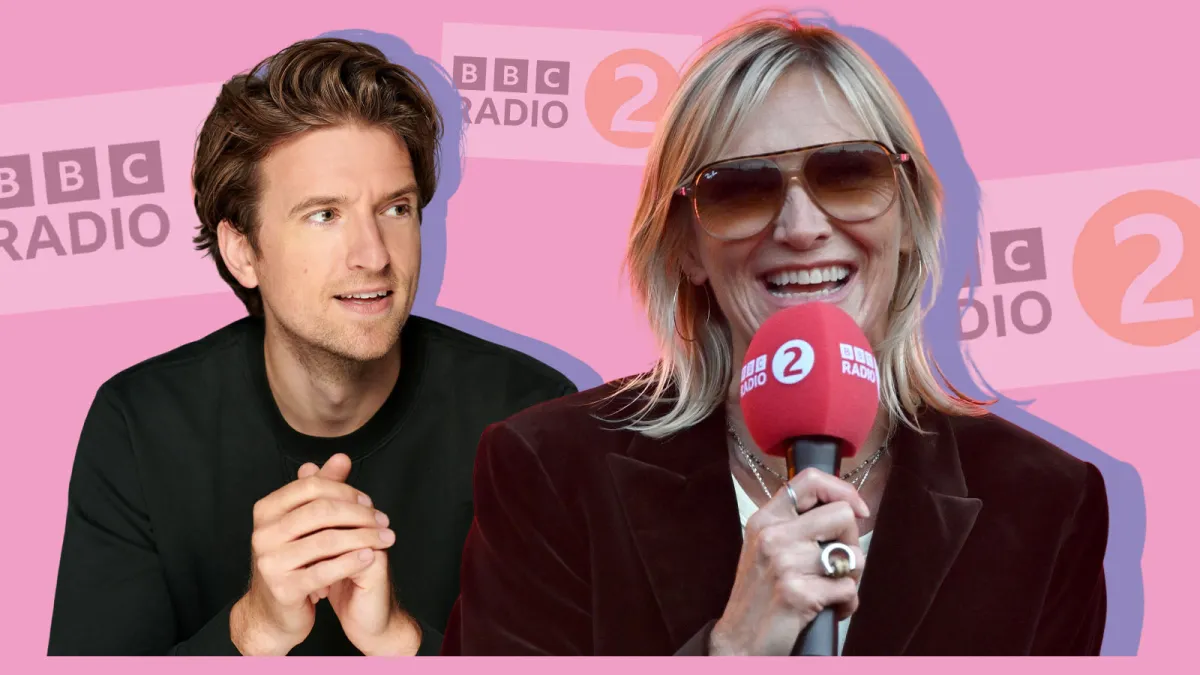
Why does Radio 2 matter? Readers have asked that over the past fortnight, ramping up after the shock sacking of its breakfast presenter Scott Mills.
Primarily, it matters because it is the UK’s most listened-to radio station, with a weekly reach of 12.7 million. That is a vast listener community, equivalent to the populations of greater London and Manchester. One in four radio-listening adults regularly tune in to Radio 2, for 11 hours a week on average. Indeed, more people get their morning news bulletins from there than anywhere else (the breakfast show has 6.5 million listeners and Vernon Kay’s mid-morning show 6.7 million). The lunchtime Jeremy Vine show is UK radio’s biggest news programme, with 5.7 million listeners.
So although I do not think the sacking of a Radio 2 presenter should lead the news over the latest from the Middle East, it was still a headlining event in households across the UK. Breakfast time is when radio rules. For listeners no decision is as specific as who they entrust to wake them, get ready to face the day with and have on their commute and school run. To be that presenter is a privileged position of intimacy and trust.
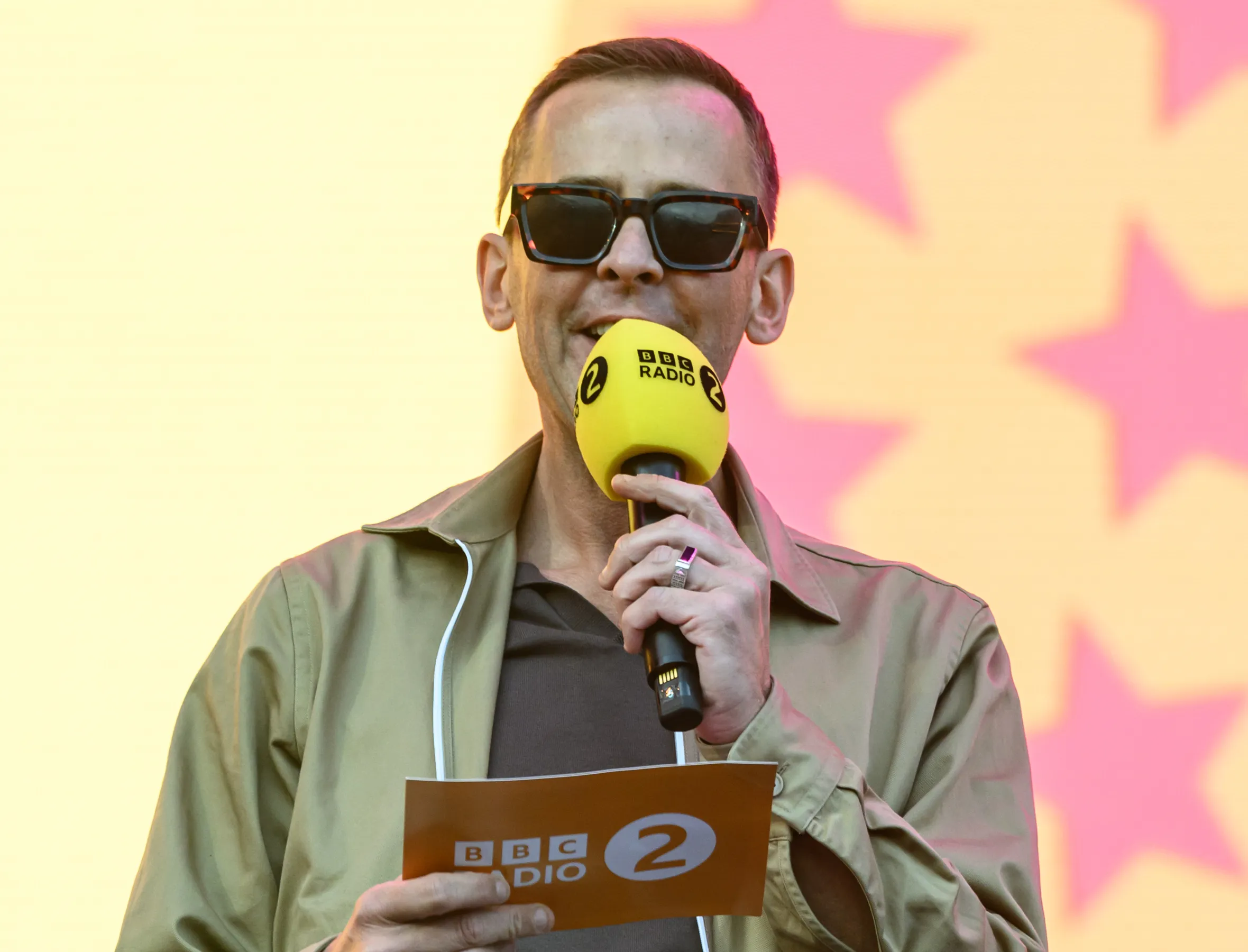 A shock departure: Scott Mills Katja Ogrin/Getty Images
Just 14 months ago BBC radio bosses assured listeners that Mills was the man for the job. After his sudden removal over the Easter period, schedulers have been scrabbling; there has been a back-to-the-Eighties feel, with “oooooh” Gary Davies covering the breakfast show and Mark Goodier mid-mornings (where Davies was meant to be sitting in for Kay). OJ Borg has also been a morning draftee.
All of the above are pros but it has still been a colossal fiasco that highlights yet again the BBC’s problems with vetting and managing talent. At the start of this year I would have characterised Radio 2 as a steadied ship — then a popular crew member, Liza Tarbuck, left suddenly and another was thrown overboard. What is to stop Radio 2 listeners craving continuity switching to Heart Breakfast with Jamie Theakston and Amanda Holden, its biggest commercial rival with 4.1 million listeners? They have been in situ since 2019.
Radio 2 matters because it is in the background of so many Britons’ daily lives. But how many of us would own up to being Radio 2 fans in the way we might identify as being listeners of Radio 6 Music, Radio 3 or Radio 4? Would you put it on a dating profile? Several evenings a week I cook to Jo Whiley. Her fellow Radio 2 presenters Sara Cox, Trevor Nelson, Romesh Ranganathan, Shaun Keaveny and Mark Radcliffe are other regular kitchen companions, and I think all of them are pretty cool. But last Sunday morning I switched on Radio 2, found Love Songs with Michael Ball and cringed to think that that was what my middle age might have come to (although I acknowledge this cheesefest has legions of fans).
Radio 2 is vastly popular but having to be so many things to so many people (a 35-plus demographic with no upper age limit) creates chasms as well as cohesion. Like the UK, Radio 2 has an ageing population, many of whom feel neglected by those in charge. In fairness, the station’s DJs do include Bob Harris (whose 80th birthday yesterday is marked with a celebratory two-hour programme from 3pm today), Tony Blackburn, 83, and Elaine Paige, 78. Several presenters are in their sixties. But to either better serve (or, more cynically, hive off) their older listenership, in 2024 the BBC proposed a Radio 2 spin-off digital station focusing on music from the Fifties, Sixties and Seventies. To the disappointment of Helen Thomas, Radio 2’s boss since 2020, this proposal was vetoed by the regulator Ofcom because of the expected detrimental impact on commercial fledgings, such as Boom Radio, already targeting that demographic.
Now, competing with an increasing array of commercial digital diffusions, Radio 2 must stick with its challengingly broad remit of adding listeners aged 35-plus while serving existing ones. Weekly specialist evening and weekend shows (blues, country, clubbing, disco, folk, jazz, rock, soul, indie with Whiley and more) courting specific listener groups seem to manage this more successfully than the morning shows, which can often seem a musical mishmash. But my sense is that mostly people are there for the craic rather than tomorrow’s chart-toppers.
But does such middle-of-the-road musical output make Radio 2 too uncool to woo a generational radio talent such as Greg James from Radio 1? And not just the music, but the bizarre emphasis on traffic updates? (Is there anyone living in the UK still rerouting because of radio bulletins and not, er, sat-nav?) Smart, entertaining, empathetic and high-energy, James could be just the unifying candidate Radio 2 needs, either at breakfast or, really, wherever he wanted. Also, now 40, he should be mindful not to stay so long at Radio 1 he becomes a bed-blocker for younger talents such as Matt and Mollie, who covered for him during his recent £4 million-raising Comic Relief tandem bike ride.
An even more spectacular charity fundraiser than James, Sara Cox was last week voted by Times readers as their favourite candidate to take over breakfast. Cox, 51, became a national heroine after raising more than £10 million for Children in Need last autumn in a gruelling 135-mile ultramarathon. Already she has been drafted in to replace Mills as a Eurovision presenter. But would she want to return to dawn starts (she previously presented the breakfast show on Radio 1)? Much loved at teatime, she also co-hosts The Teen Commandments podcast and writes books.
Today’s presenters have more choices, both in the energised commercial radio sector or via podcasting, neither of which come with the constant scrutiny over BBC salary.
Hosting the Radio 2 breakfast show used to be the biggest gig in audio, commanding the highest pay, but another misstep and it will become a poisoned chalice. One of last year’s most successful new UK podcasts was Dig It with Jo Whiley and Zoe Ball. Soon after its launch Ball left her Saturday lunchtime Radio 2 slot after just seven months in the berth.
The station now needs some decisive captaincy, then a period of calm.
Which podcasts and radio shows have you been listening to recently? Let us know in the comments below