
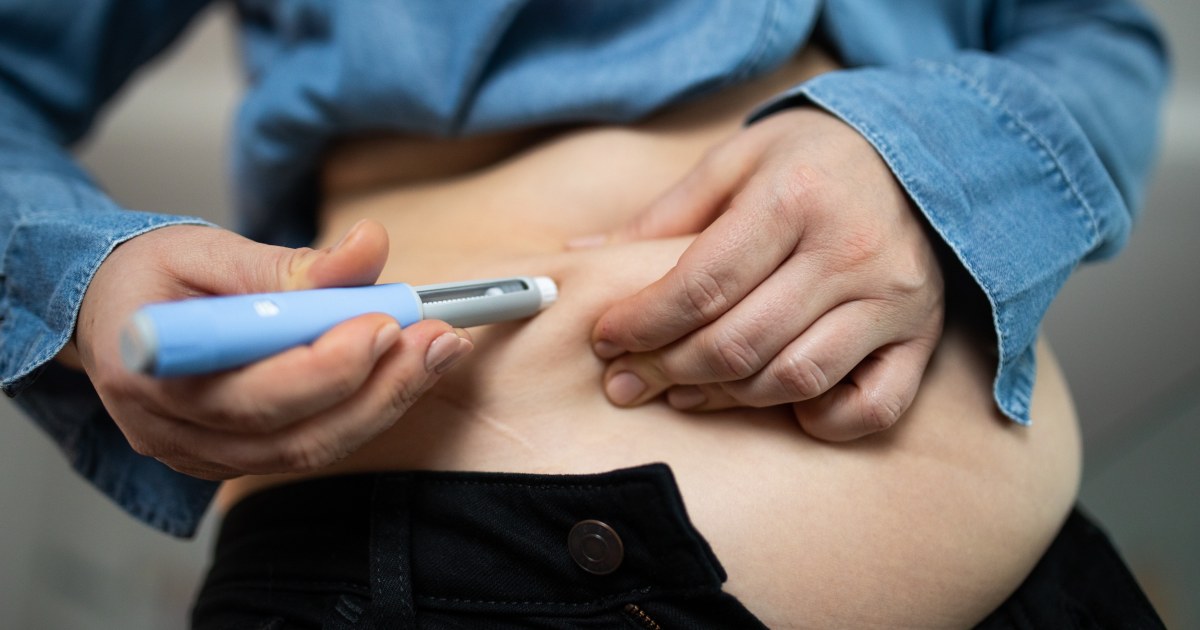
People who use GLP-1 weight-loss drugs tend to eat a “critically low” amount of protein and skip meals, making it even harder to meet their protein needs, a new study has found.
The findings, which will be presented at the European Congress on Obesity in May, highlight an “urgent need for proactive nutritional monitoring” of patients who use popular GLP-1 medications like Wegovy and Zepbound, the authors noted.
“Protecting muscle mass should be a central goal of any weight-loss program,” said lead author Valentina Vinelli, who is part of the metabolic health research team at IRCCS San Raffaele Hospital and Vita-Salute San Raffaele University in Milan, Italy, in a statement.
“Muscle health depends on sufficient protein intake and regular physical activity, especially resistance exercise.”
GLP-1 users have a reduced appetite, making what they eat even more important, she added.
The study involved 332 adults with overweight or obesity — including 116 people who used a GLP-1 weight-loss drug such as semaglutide and tirzepatide. All used an app to track their food intake between July 2025 and February 2026. The app provides real-time estimates of a person’s intake of carbohydrates, proteins and fats.
When researchers analyzed 5,741 days of data from the participants, they found GLP-1 users ate fewer calories and a “significantly lower” amount of macronutrients, including protein — about 54 grams per day, compared to 62 grams per day for people who didn’t use the weight-loss medications.
When adjusted for weight, protein intake was “critically low” in GLP-1 patients at 0.6 grams per kilogram of body weight per day, the study found, or less than half of the current U.S. recommendations.
Adults should consume 1.2–1.6 grams of protein per kilogram of body weight per day, according to the new Dietary Guidelines for Americans, 2025–2030. That’s up from the previous recommended dietary allowance of 0.8 grams of protein per kilogram per day.
People who used GLP-1 weight-loss drugs in the study were also much more likely to skip breakfast, lunch and dinner than non-users — “reducing opportunities for adequate protein distribution across the day,” according to the researchers.
Many people taking GLP-1 drugs receive little or no guidance on diet quality and protein intake, they cautioned.
“Real-world GLP-1 (medication) use in adults with overweight or obesity is associated with widespread protein inadequacy and increased meal skipping, underscoring the urgent need for proactive nutritional monitoring,” Vinelli said.
Personalized dietary guidance should be part of obesity treatment to make sure people using weight-loss drugs are healthy in the long-term, she added.
High-Protein Foods to Prioritize on GLP-1 Drugs
NBC News medical contributor Dr. Natalie Azar advises consuming 20-30 grams of protein per meal every day.
Eat “high-quality, nutrient-dense protein” from animal and plant sources, according to the Dietary Guidelines for Americans, 2025–2030.
Animal sources of high-protein foods include:
EggsPoultry (turkey and chicken)Seafood (salmon and tuna)Red meat (ideally lean cuts of pork and beef)Greek yogurtCottage cheese
The American Heart Association advises that plants, lean meats and fish are better for heart health than red meat. Plant sources of protein include:
BeansPeasLentilsLegumesNutsSeeds Soy products
Eat the protein portion of your meal first to boost the chances of getting enough. Supplement with a protein shake if you have a decreased appetite, Azar noted.
When Jennifer Lynn-Pullman, a registered dietitian and certified specialist in obesity and weight management, started using a GLP-1 weight-loss drug herself, she noticed she was eating only 800 calories a day, with very little protein.
“It’s easy to do on a GLP-1 because you don’t feel hungry and you fill up quickly,” Lynn-Pullman previously told TODAY.com.
“We worry about malnutrition, we worry about people not getting enough nutrients.”
She now has protein every time she eats, consuming that food first, then fruits and vegetables.
There are also certain foods to avoid if you are taking a GLP-1 drug for weight loss, including greasy, high-fat foods and nausea-inducing foods.