
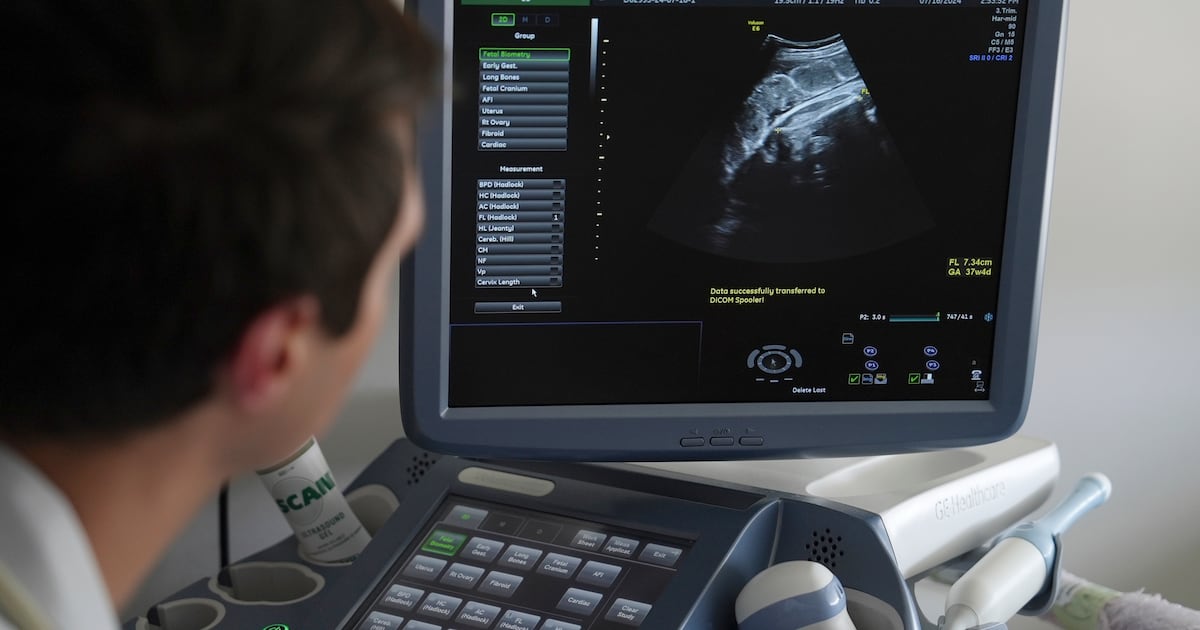
An AI-powered app that aims to reduce the time it takes to receive an endometriosis diagnosis is currently being developed in Toronto.
Endometriosis is a gynecological condition in which tissue like the endometrium — which lines the uterus and sheds each month during a menstrual cycle — grows abnormally elsewhere in the body.
It can cause severe cramps, chronic pelvic pain, heavy bleeding, and it can impact many organ systems in the body, making everyday activities difficult.
It is one of the most prevalent gynecological conditions, affecting roughly 1 million people in Canada. However, it can take an average of five to 10 years — or sometimes even longer — to get diagnosed.
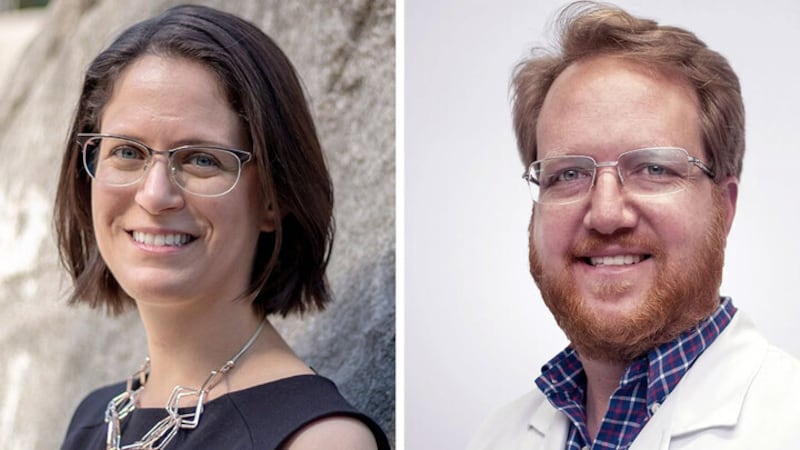 DANA app creators Dr. Dafna Sussman, associate professor of biomedical engineering at Toronto Metropolitan University and a scientist at St. Michael’s Hospital and Dr. Nucelio Lemos, a gynecologic surgeon at Mount Sinai Hospital. App aims to reduce delays
Dr. Nucelio Lemos, a gynecologic surgeon at Mount Sinai Hospital, and one of the creators of the app, DANA, says the goal of the app is to reduce the years it can take for women to receive a diagnosis.
“The goal of DANA is to develop a tool that will actually talk to the patients and try to put them in front of the right specialist on the first or second attempt,” Lemos, a professor of obstetrics and gynecology at the University of Toronto, said in an interview with CTVNews.ca.
The reasons it can take so long to diagnose endometriosis include the complexity of identifying the disease, since each case presents differently.
Lemos says since there are over 150 conditions that can cause chronic pelvic pain, it can be hard for primary health-care providers to determine what the cause is.
This is also why endometriosis is commonly misdiagnosed as other conditions, and often referred to as the “missed disease.”
Women are left navigating multiple referrals, specialists, imaging, treatment, and procedures, while managing pain during this diagnostic delay.
“We want to support that triage and support that initial diagnosis,” Lemos said.
The app will be powered by over a decade of anonymized clinical data from the Women’s College Hospital and Mount Sinai Hospital, including real-world patient histories, imaging reports, and treatment outcomes.
The chatbot will be capable of having a targeted, interview-style conversation that will analyze patient’s symptoms and identify patterns and help predict the likelihood of endometriosis, and other chronic pelvic pain conditions.
Patients can then use the personalized summary they receive to request a specialist referral from their primary care provider.
This will reduce the number of specialists a woman will see — which could be upwards of 14 — unnecessary tests and treatment, and overall, cut diagnosis time and resources by about 80 per cent, Lemos said.
 Doctor examines patient A doctor examines a patient with a stethoscope in her doctor’s office in Stuttgart, Germany, Monday, April 28, 2008. THE CANADIAN PRESS/AP/Thomas Kienzle Symptoms minimized or dismissed
A lack of education on menstrual health is another reason why it can take so long to receive an endometriosis diagnosis, and this often leads to symptoms being minimized or dismissed, according to Dr. Dafna Sussman, one of the co-creators of the app.
“Menstrual pain was dismissed as normal, even 10 years ago,” Sussman, an associate professor of biomedical engineering at Toronto Metropolitan University and a scientist at St. Michael’s Hospital, told CTVNews.ca in an interview.
“Many people just believed that endometriosis symptoms were not medically significant because it was so part of the culture, like ‘yes, you’re a woman, you’re supposed to have pain once a month, live with it,’ kind of thing,”
Symptoms being dismissed or minimized can lead to psychological impacts like anxiety and depression, which can create further delays because women feel discouraged from seeking further help, she added.
“We’re hoping to skip all of that, and make sure that women know that they’re listened to,” Sussman, who is also a professor of obstetrics and gynecology at the University of Toronto, said.
“My hope is that it will empower patients to know it’s not just in their head, it’s in their body, and they can have the power to help themselves move forward.”
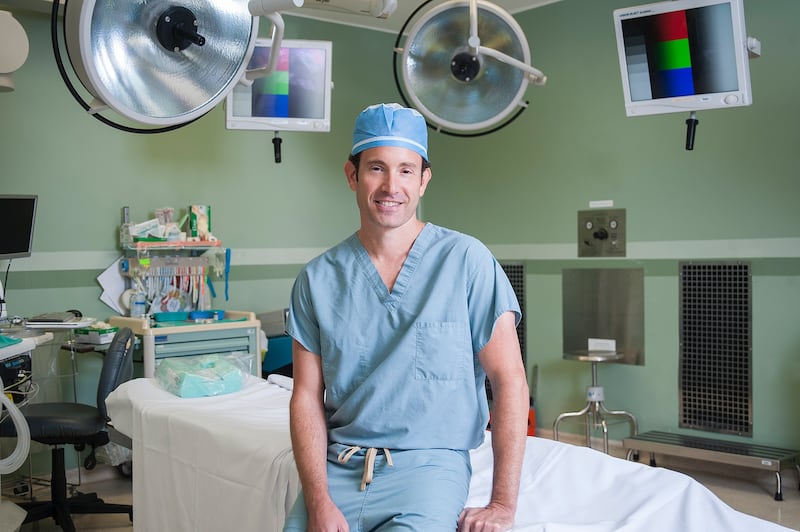 Dr. Jonathon Solnik Dr. Jonathon Solnik, head of gynaecology and minimally invasive surgery at Mount Sinai Hospital and site chief of gynecology at Women’s College Hospital. Shortage of experts
In Canada, there are approximately 3,200 obstetricians and gynecologists (OBGYNs), the Society of Obstetricians and Gynecologist of Canada confirmed with CTVNews.ca in an interview.
But with the prevalence of endometriosis in the country, they say there is not enough OBGYNs to support women appropriately.
Dr. Jonathon Solnik, head of gynecology and minimally invasive surgery at Mount Sinai Hospital and site chief of gynecology at Women’s College Hospital, says there are even fewer who are specialized in endometriosis care among OBGYNs.
“Endometriosis is really becoming a specialty within itself,” Solnik told CTVNews.ca in an interview.
“OBGYNs are good at managing endometriosis, but it’s when it’s in more advanced forms, that’s when it becomes more problematic (…) so, the shortage is also really in areas where the endometriosis is in an advanced form, but we see so many people in an advanced form because they’ve had such long delays.”
Solnik says there are several fellowships across Canada that train physicians in endometriosis, helping address the shortage of experts.
“Someone in Sault Ste. Marie, Sudbury or even Barrie, come to centres like ours because there aren’t enough people, and so what happens is that you end up with a bottleneck at centres where there are experts,” he said.
“So, if you expand that, which we have, it reduces the wait time, and it means people don’t have to travel as far to get the right care.”
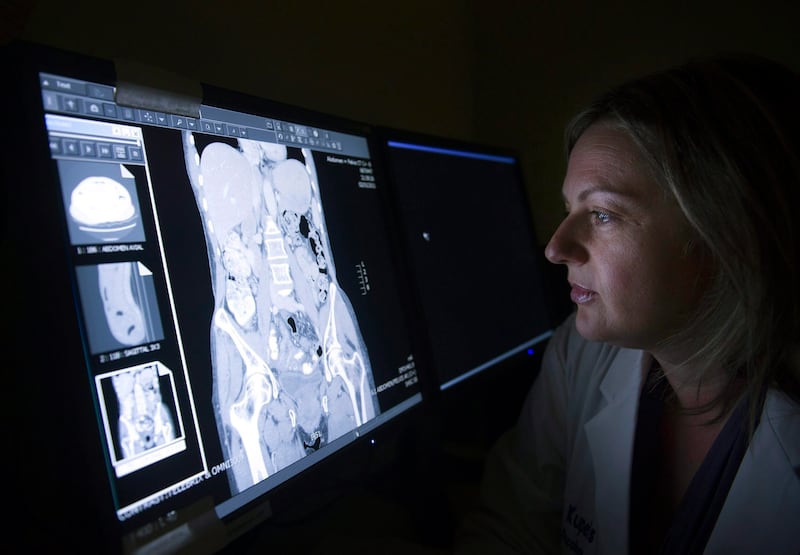 Rachel Kupets Dr. Rachel Kupets, surgical oncologist for Sunnybrook’s Odette Cancer Centre Gynaecology Cancer Care team, looks at a CT scan in Toronto on Wednesday, June 1, 2011. THE CANADIAN PRESS/Nathan Denette Bill S-243
Dr. Nicholas A. Leyland, president-elect of the Society of Obstetricians and Gynecologists of Canada, is behind the creation of the first fellowship, launched in 2002 — initially at University of Toronto and now based at McMaster University.
He said in some areas of Canada, the shortage of experts is felt more — including B.C., northern Quebec and Ontario, Nunavut, Yukon and Northwest Territories
Leyland also noted other bottlenecks within endometriosis care, including limited operating room times, a lack of support for multidisciplinary care in complex endometriosis cases, and gender-based pay disparities among health-care workers performing endometriosis-related surgeries.
He said all these issues stem from larger systemic issues within women’s health care.
READ MORE: Obstetrics clinics closing due to lack of agreement between Quebec and the physicians’ group
“Traditionally, there has been this unconscious bias about the women’s health care not being as important, and it’s been underfunded in many areas,” Leyland, a professor of obstetrics and gynecology at the McMaster University, said in an interview with CTVNews.ca.
“We’ve tried to do research in endometriosis, and we are starting to get more support for that, but there’s still a lot left to be done.”
Part of the work that needs to be done, according to Leyland, is working with the federal government to address inequalities within women’s health care, highlighting Bill S-243.
The federal government introduced Bill S-243 in December 2025, to establish a national framework for women’s health, which partly aims for “remediating historical inequities in health research and health care for the benefit of women.”
The bill continues to advance, but in the meantime, Solnik says innovations like this app — set to be made available to clinicians and patients in Canada within five years — are advantageous to help improve women’s health care.
“It’s an empowerment tool,” Solnik said. “And the more people are engaged with their own health care, the better.”