
A fresh reminder of Bollywood’s strange relationship with time arrived this week when The Academy spotlighted Dilwale Dulhania Le Jayenge in a travel-romance watchlist, prompting a warm public reaction from Kajol. More than three decades after its 1995 release, DDLJ once again slipped effortlessly into the global conversation, not as a relic, not as an obligation, but as a living cultural memory.
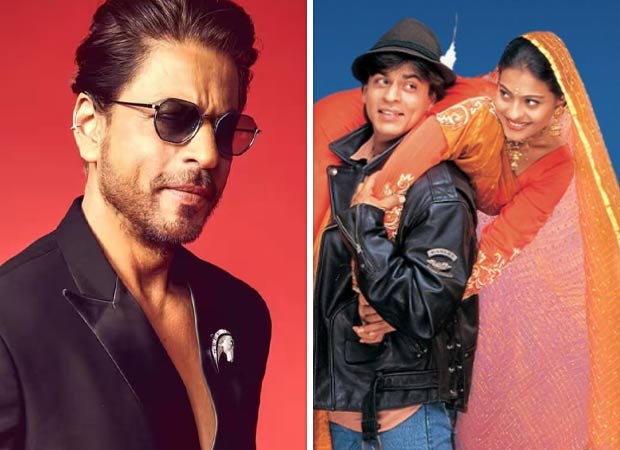
Bollywood keeps hyping tomorrow, but one old Shah Rukh Khan romance still embarrasses the present
And that should make the Hindi film industry slightly uncomfortable.
Because Bollywood is always obsessed with tomorrow. Tomorrow’s launch. Tomorrow’s face. Tomorrow’s pan-India blockbuster. Tomorrow’s universe. Tomorrow’s record. Tomorrow’s next big thing. Every week, the machinery moves forward with evangelical urgency, selling novelty as destiny. But every now and then, yesterday walks back into the room, calm, graceful, unthreatened and reminds everyone what permanence actually looks like. DDLJ did that again this week.
This is not merely about nostalgia. Nostalgia is easy. Nostalgia is sentimental. What Bollywood faces with DDLJ is something more daunting: endurance. A film released in 1995 still enjoys a level of emotional legitimacy, recall and symbolic authority that most contemporary romances would kill for. It still feels like shorthand for a certain kind of love, a certain kind of cinematic yearning, a certain kind of Hindi film confidence. When a modern industry keeps celebrating a 30 year old romance every time the world glances its way, it is not just celebrating a classic. It is also quietly confessing that it has not replaced it.
That is the ache beneath the applause.
The Academy mention is flattering, of course. It confirms what Indian audiences have known for years: that DDLJ travels well not just geographically but emotionally. Its images, music, chemistry and feeling still communicate across borders and generations. But every such international nod also revives a harder question. Why does Bollywood still lean so heavily on a handful of old emotional monuments whenever it wants proof of timelessness? Why do the ghosts of its great romances keep outperforming the living?
Part of the answer is that the industry changed what it values. Contemporary Hindi cinema is often more self-aware, more brand-conscious and more aggressively strategic than it used to be. It thinks in opening weekends, streaming rights, franchise potential, meme moments and digital velocity. There is nothing inherently wrong with that. But romances built for quarterly excitement do not always become romances built for civilisational memory. A film can trend across platforms and still vanish from the heart. A film can dominate release week and still fail to become inheritance.
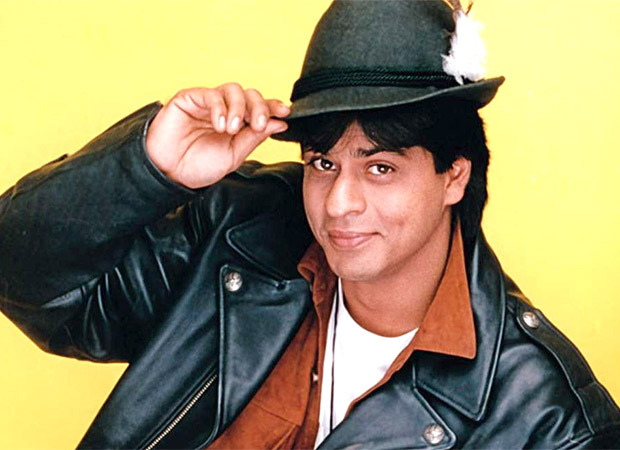
That is where DDLJ keeps humiliating the present.
It does not need a reintroduction. It does not need defensive contextualisation. It does not need the industry to explain why it mattered. The culture already knows. And when the culture knows something that instinctively, the industry cannot manufacture an equivalent through sheer scale or publicity. You cannot algorithm your way into immortality. You cannot announce a classic into existence. You can only earn one over time.
This is why the real story is not that The Academy noticed DDLJ. The real story is how naturally that notice made sense. Nobody had to stretch to justify it. Nobody reacted as if an obscure title had been rediscovered. The response was immediate because DDLJ already occupies that mental shelf reserved for films that outgrow their own release dates. That shelf is where Bollywood once placed its greatest love stories. The worry is that it has become much harder for newer films to get there.
And so Bollywood remains trapped in a peculiar contradiction. It keeps selling tomorrow with manic confidence, while yesterday keeps returning as its strongest proof of greatness. The industry wants us to believe that the future is always arriving. But whenever global validation knocks, it is often the past that opens the door.
That is not an argument against progress. It is an argument against amnesia.
Hindi cinema does not have a problem because DDLJ is still loved. Hindi cinema has a problem because too few new romances feel capable of commanding the same long afterlife. Until that changes, every fresh salute to DDLJ will carry a double message. One will be celebratory: look how timeless this film remains. The other will be quietly accusatory: if Bollywood has moved so far forward, why does it still need yesterday to remind the world what forever looks like?
More Pages: Dilwale Dulhania Le Jayenge Box Office CollectionTags : Amrish Puri, Bollywood, Bollywood Features, DDLJ, Dilwale Dulhania Le Jayenge, Down Memory Lane, Down The Memory Lane, Features, Flashback, Javed Siddiqi, Kajol, Shah Rukh Khan, SRK, Throwback, Yash Chopra, YRF
BOLLYWOOD NEWS – LIVE UPDATES
Catch us for latest Bollywood News, New Bollywood Movies update, Box office collection, New Movies Release , Bollywood News Hindi, Entertainment News, Bollywood Live News Today & Upcoming Movies 2026 and stay updated with latest hindi movies only on Bollywood Hungama.