
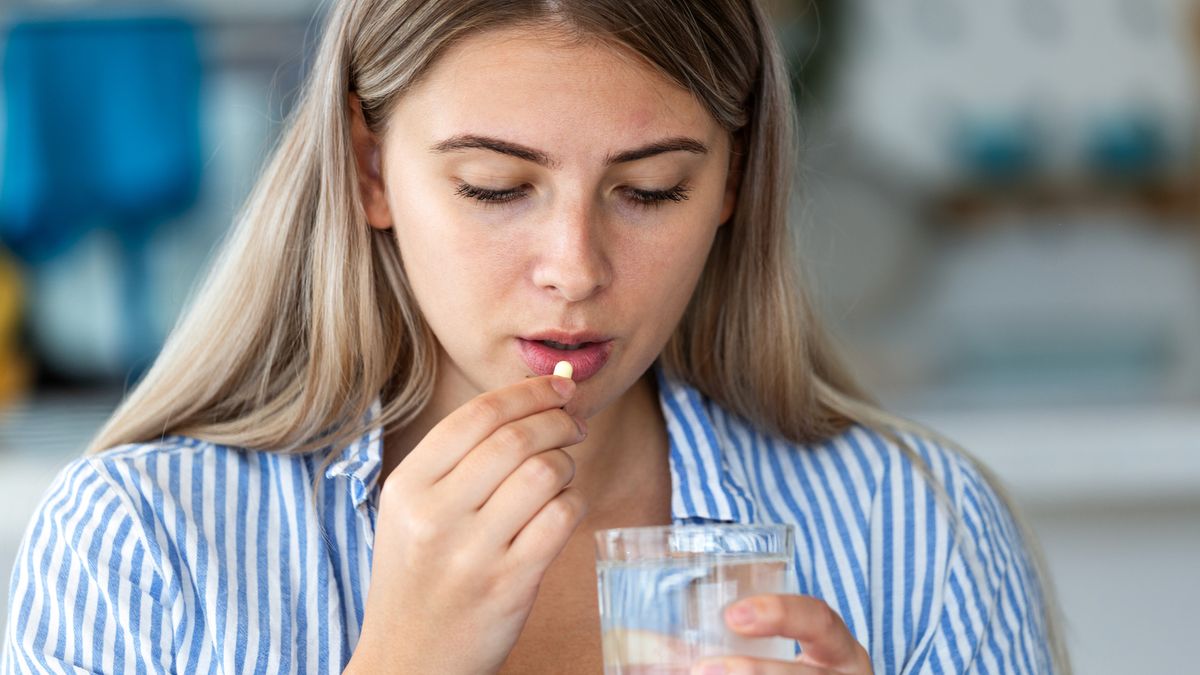
People taking the common medication should avoid taking it with certain beverages
11:19, 13 Apr 2026Updated 12:16, 13 Apr 2026
Taking the medication with the drinks could reduce its efficiency (stock image)(Image: Getty)
The NHS website offers a wealth of information for anyone taking various types of medication, including advice on what to avoid, such as certain foods and drinks. With spring underway and the weather warming up, there is one tablet many people across the UK will be taking daily to tackle a common condition.
Hay fever, also known as seasonal allergic rhinitis, is very common. It affects about 10 to 16 million people in the UK, meaning that around one in five people will experience it at some point in their lives. Recent estimates show that almost 49% of people in the UK may have hay fever symptoms.
Antihistamines can help ease symptoms for those who suffer from allergies, including fexofenadine. The medication is used for hay fever, conjunctivitis, eczema, hives, reactions to insect bites and stings and some food allergies.
According to the NHS, it is available on prescription and comes as tablets. You can also buy 120mg fexofenadine tablets for adults and children aged 12 years and over from pharmacies and supermarkets.
It is important to be aware of what people taking the tablet should avoid, as the NHS advises against drinking three types of juice while on the medication. On the health service’s website, the latest guidance states: “Do not drink grapefruit juice, orange juice or apple juice while taking fexofenadine as these can reduce how well the medicine works.”
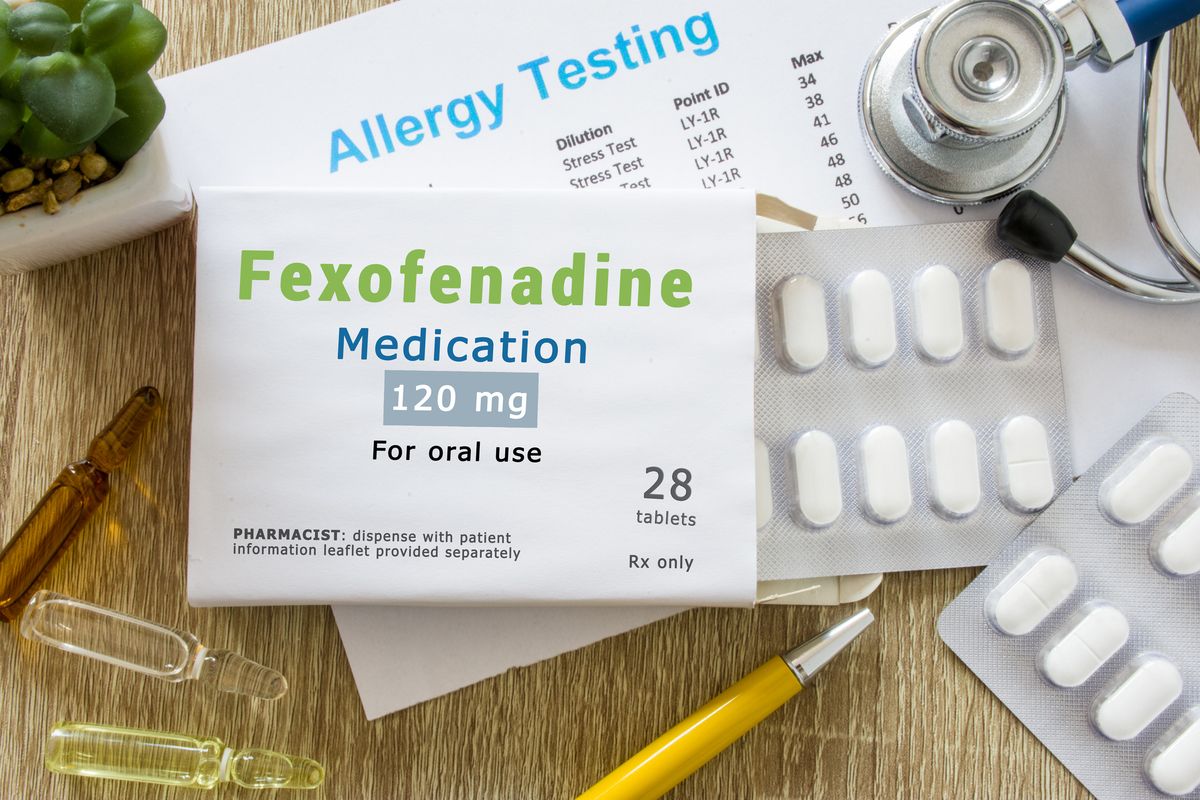
People taking the tablet urged to avoid certain drinks (stock image)
It also mentions: “Fexofenadine is classed as a non-drowsy antihistamine, but some people still find it makes them feel quite sleepy… It’s best not to drink alcohol while you’re taking fexofenadine as it can make you feel sleepy.”
The NHS ‘do not drink’ guidance for fexofenadine is based on research showing that these juices can significantly reduce the medicine’s absorption, making it 60-70% less effective. They block transporter proteins (OATPs) in your intestines that help move fexofenadine into your bloodstream to relieve allergies, but they don’t change how the medicine is broken down.
To avoid this interaction, the Food and Drug Administration recommends waiting at least two hours before or after taking fexofenadine before consuming fruit juice. It is advised to take fexofenadine with water only.

Taking it with water is recommended (stock image)
The NHS says: “If you’re taking 30mg fexofenadine tablets, you can take them with or without food. If you’re taking 120mg or 180mg fexofenadine tablets, take them before a meal.
“Always take your fexofenadine tablets with a drink of water. Do not take your tablets with apple, orange or grapefruit juice as these can reduce how well the medicine works. Swallow them whole – do not chew them. Try to take fexofenadine tablets at about the same time every day. Choose a time that is easy to remember.”
The health service also says most adults and children aged six years old and over can take fexofenadine tablets. However, fexofenadine is not suitable for some people. To make sure it’s safe for you, tell your doctor or pharmacist before taking fexofenadine if you:
have ever had an allergic reaction to fexofenadine or any other medicinehave problems with your liver or kidneyshave, or have ever had, heart problemsare due to have an allergy test as taking fexofenadine may affect the results, so you might need to stop taking it a few days before the testare pregnant, trying to get pregnant or breastfeeding
The Met Office issued an alert last week for ‘Very High’ pollen count levels – the highest level possible. Today, April 13, the pollen count remains ‘High’ for the majority of England. It dips to ‘Medium’ and ‘Low’ for most of the UK by mid-week, before increasing to ‘High’ again by Friday, April 17.
Explaining what pollen allergies are, the Met Office says: “Pollen is made up of tiny particles which are released by plants and trees as part of their reproductive cycle. It is an extremely fine powder and is spread by insects and the wind.
“Pollen can cause significant irritation and inflammation in people who are allergic to it. Pollen can be inhaled by humans and animals. For those with an allergy, pollen triggers the antibody immunoglobulin E, which creates mucus and leads to symptoms such as congestion and sneezing.”