
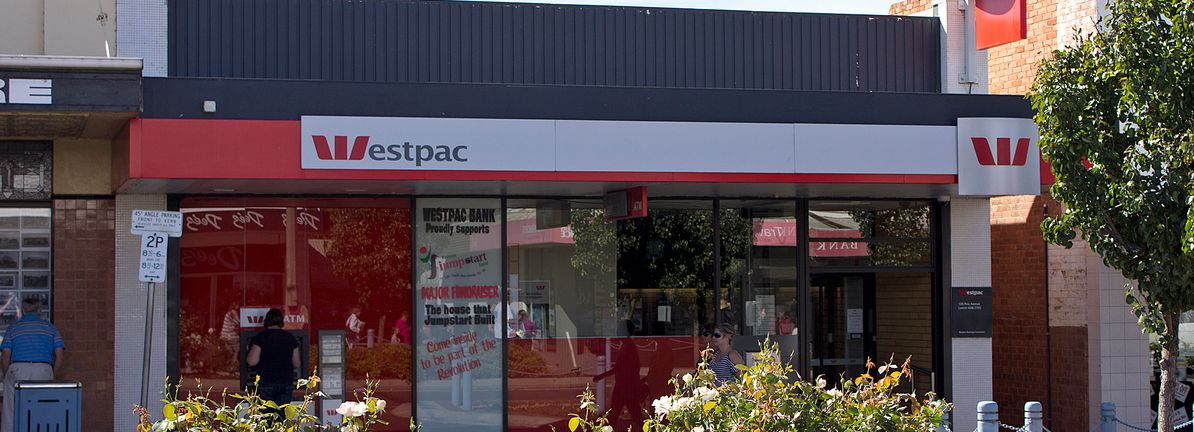
Westpac Banking (ASX:WBC) has indicated that rising geopolitical tensions and energy market shocks are pressuring its first half performance, while the planned sale of its RAMS mortgage portfolio is expected to weigh on profits through transaction and execution costs.
See our latest analysis for Westpac Banking.
Against this backdrop, Westpac’s share price is A$41.48 after a 2.61% one day decline. However, a 90 day share price return of 8.36% and a 1 year total shareholder return of 40.85% point to momentum that has held up over both shorter and longer periods.
If you are weighing bank stocks against other themes, this could be a good time to broaden your watchlist and check out 4 top founder-led companies
With Westpac trading at A$41.48, above its A$35.20 analyst price target and screening with a low value score of 1, the key question is whether recent gains leave much upside or if markets are already pricing in future growth.
Most Popular Narrative: 18% Overvalued
At A$41.48, Westpac is trading above the most followed fair value estimate of around A$35.21, which is built using a 7.78% discount rate and detailed earnings assumptions.
In order for the above numbers to justify the price target of the analysts, the company would need to trade at a PE ratio of 19.1x on those 2029 earnings, down from 21.1x today. This future PE is greater than the current PE for the NZ Banks industry at 16.5x.
Curious what growth and margin profile could support that valuation gap, and how cautiously the narrative treats revenue and earnings over the next few years? The full story ties together modest growth, steady profitability and a richer future earnings multiple in a way that is not obvious from the headline numbers.
Result: Fair Value of A$35.21 (OVERVALUED)
Have a read of the narrative in full and understand what’s behind the forecasts.
However, there is a risk that higher technology spending and continued margin pressure from intense mortgage competition could limit the extent to which earnings align with the current valuation.
Find out about the key risks to this Westpac Banking narrative.
Next Steps
If this mix of pressure points and upside potential feels finely balanced, now is the time to look through the details yourself and weigh both sides. To help you stress test your view, start with 1 key reward and 2 important warning signs.
Looking for more investment ideas?
If Westpac feels finely balanced, do not stop here. Broaden your options now so you are not relying on a single banking story for your next move.
This article by Simply Wall St is general in nature. We provide commentary based on historical data
and analyst forecasts only using an unbiased methodology and our articles are not intended to be financial advice. It does not constitute a recommendation to buy or sell any stock, and does not take account of your objectives, or your
financial situation. We aim to bring you long-term focused analysis driven by fundamental data.
Note that our analysis may not factor in the latest price-sensitive company announcements or qualitative material.
Simply Wall St has no position in any stocks mentioned.
Valuation is complex, but we’re here to simplify it.
Discover if Westpac Banking might be undervalued or overvalued with our detailed analysis, featuring fair value estimates, potential risks, dividends, insider trades, and its financial condition.
Have feedback on this article? Concerned about the content? Get in touch with us directly. Alternatively, email editorial-team@simplywallst.com