
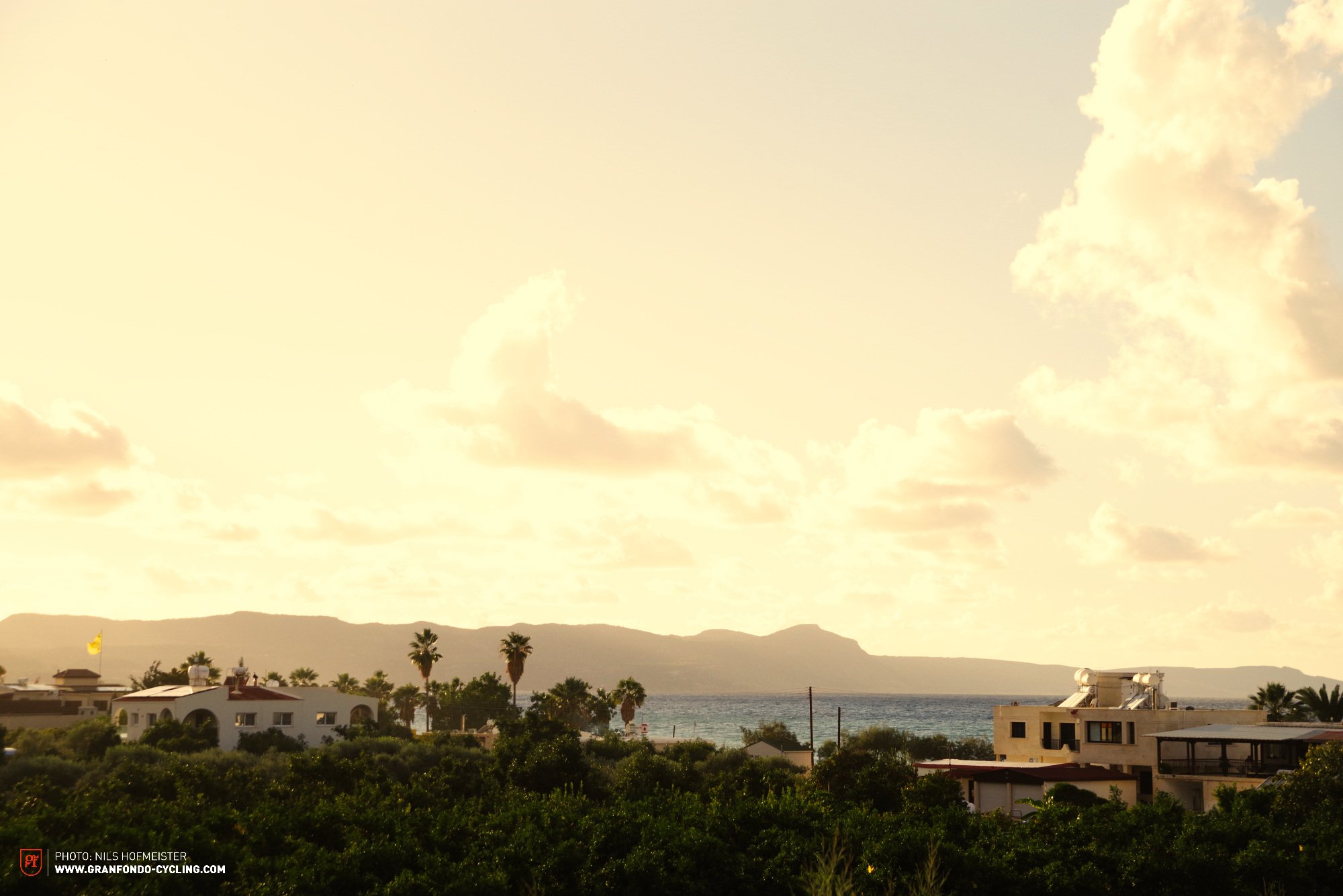
Falkenjagd. Rennstahl. Words like forged steel – hard, precise, unmistakably German. It’s the first Sunday of Advent. Ochre-coloured hills are sliding past the windscreen. Pomegranates, pomelos and the Three Wise Men drift by on life-size plastic camels. I glance at the sky. Deep blue. I glance at Andreas. A faded Campagnolo T-shirt, shorts. Not very German for December. “It was warmer last week,” he says, half apologetic, as we stop in front of a yellow house above a very blue sea. The key never left the door. Welcome to Cyprus.
Cyprus has been home to Andreas, his wife Astrid and the brands Falkenjagd, Parapera and Rennstahl since 2021. Together, they form 1bike4life. A bike for living. For exploring the world. For searching and finding, maybe even yourself along the way. From the moment Andreas picks me up at the airport, I get the feeling this trip might be about more than just the wall thickness of butted tubes. Andreas has a message. What exactly that message is, I can’t quite pin down yet. Perhaps he cannot either.
If this opening sounds like the familiar tale of a titanium-intoxicated boutique dreamer trying to save the world one frame at a time, a few superlatives snap you back to reality. 1bike4life sells more than 4,000 bicycles a year. Falkenjagd is Europe’s largest titanium frame manufacturer, a pioneer in 3D-printed titanium and holder of a long list of patents. No other company controls a comparable share of its titanium component production in-house. On top of that comes Parapera, a performance-focused carbon brand with its own wheelsets and components, as well as the famously indestructible Rennstahl bikes built for riding around the world.
Andreas has taken 1bike4life from passion project to major player. One that operates at the sharp end of the industry – but stubbornly refuses to play by industry rules. Time for a “home” story. And in this case, it quite literally starts at home.
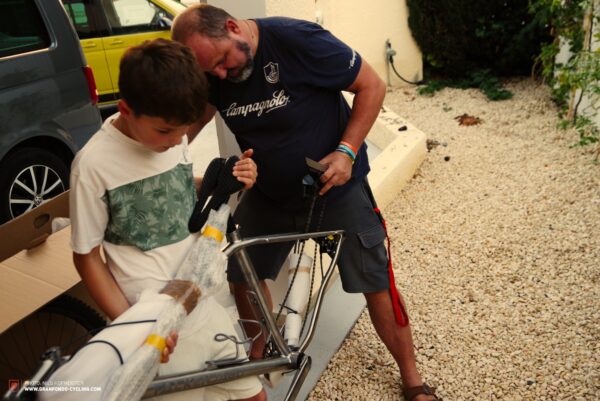
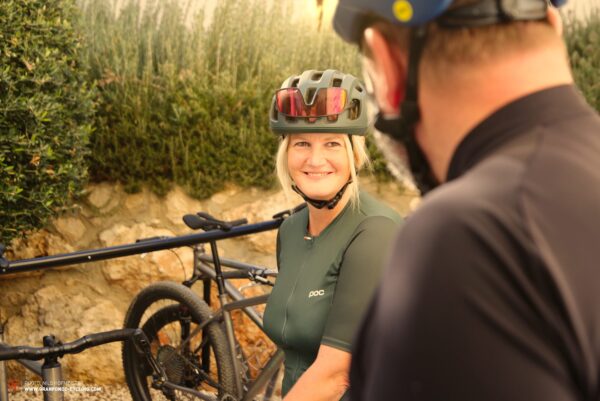
Andreas, Astrid and the kids – 1bike4life is very much a family affair.
Less Show, More Room – Welcome to Cyprus
Visits like this usually begin in a showroom. Team jerseys on the walls, the latest superbikes perched on stands, brand slogans in corporate colours telling you to be bold, brave or somehow unique. You’ll find none of that stuff here. No mantras. No stands. No showroom. Instead, there’s the sea, the mountains and pomelos. There is the house from which you can roll straight into the sea without turning a pedal. There is Andreas and his wife Astrid. And there are convictions. One of them is that nothing needs to be staged.
The closest thing to a display is the bike rack outside the house. Around ten bikes dangle beneath an olive tree. Carbon. Titanium. Gravel. Road. MTB. The concentration of Campagnolo Super Record groupsets is striking. I do a quick calculation and arrive at roughly € 70,000. Dusty € 70,000. These bikes get ridden. When they aren’t, they hang here. And if someone wanted to steal them? They could. But nobody is going to.
Over the next few days, we will talk a lot about bikes. About what a bike is and what it may become. About loads and limits, stress peaks and strain. About the move to Cyprus. About cable routing and citrus trees. About where all of this could lead. And, inevitably, about where it all began.
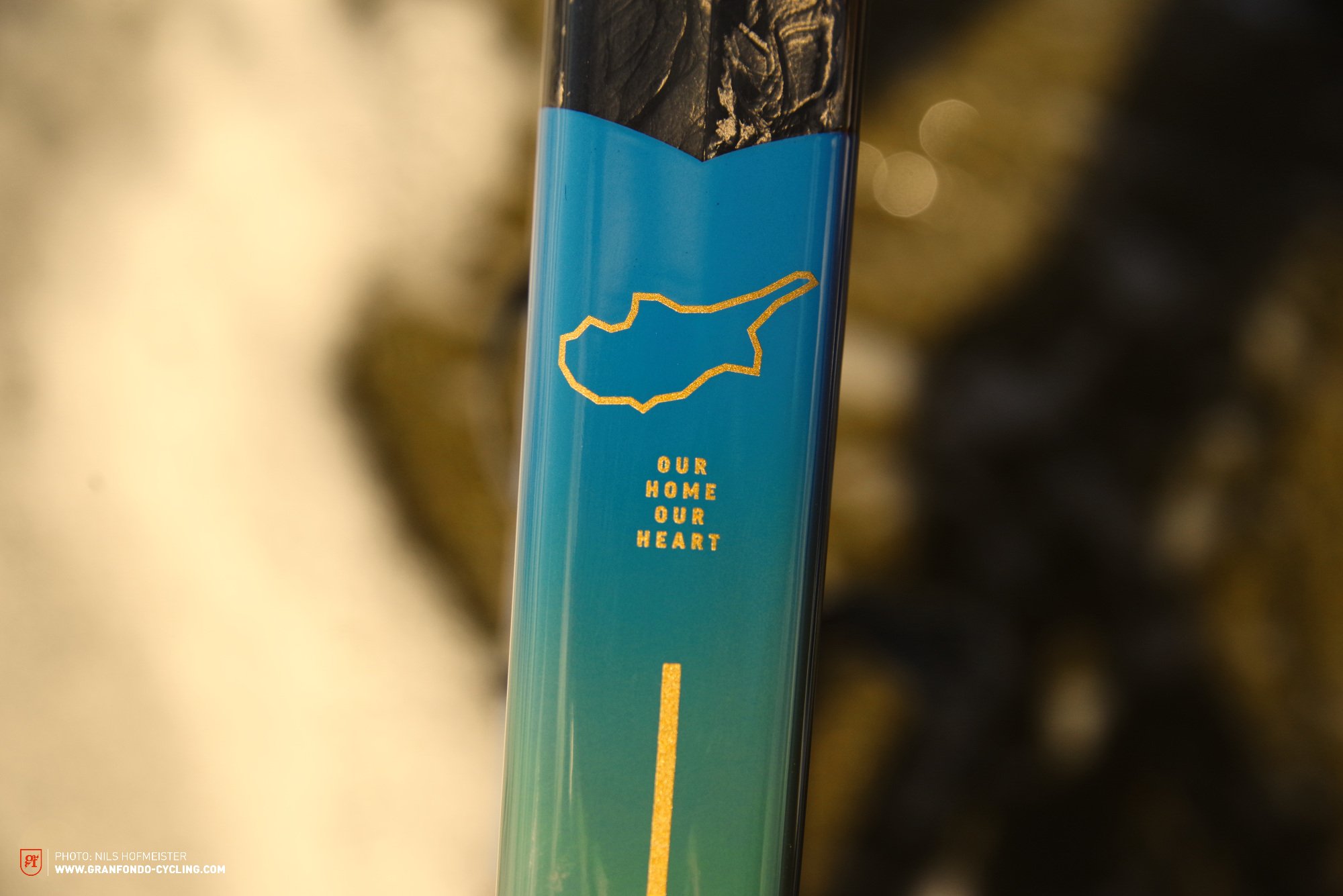 Cyprus matters – to Andreas the person, and to the Falkenjagd and Parapera brands.
Gran Fondo: Most people who work with bikes have an emotional connection to them. When did you first realise that, for you, a bike was more than just a means of transport?
Andreas: My first holidays without my parents were spent on a bike. At 15 or 16, I would simply set off from my front door. Lake Garda, the Baltic coast, it didn’t matter where. Easter meant leaving on the first day of the holidays and coming back on the last. You never quite knew how far you would get, what would happen along the way or when you would return. But that uncertainty was the whole point. Being on the road, trusting that things would somehow fall into place. For me, the bike has always been a symbol of freedom.
GF: What came first, the joy of the experience or the fascination with technology?
Andreas: From the very beginning, I could completely lose myself in the world of bicycles. There was something almost obsessive about it. At school, I sometimes struggled to concentrate because I was constantly running through specifications and build options in my head. Once, for a piece of coursework, I even put together a full market overview, listing every model available at the time for every possible use.
If that bike does not exist, I’ll have to build it myself.
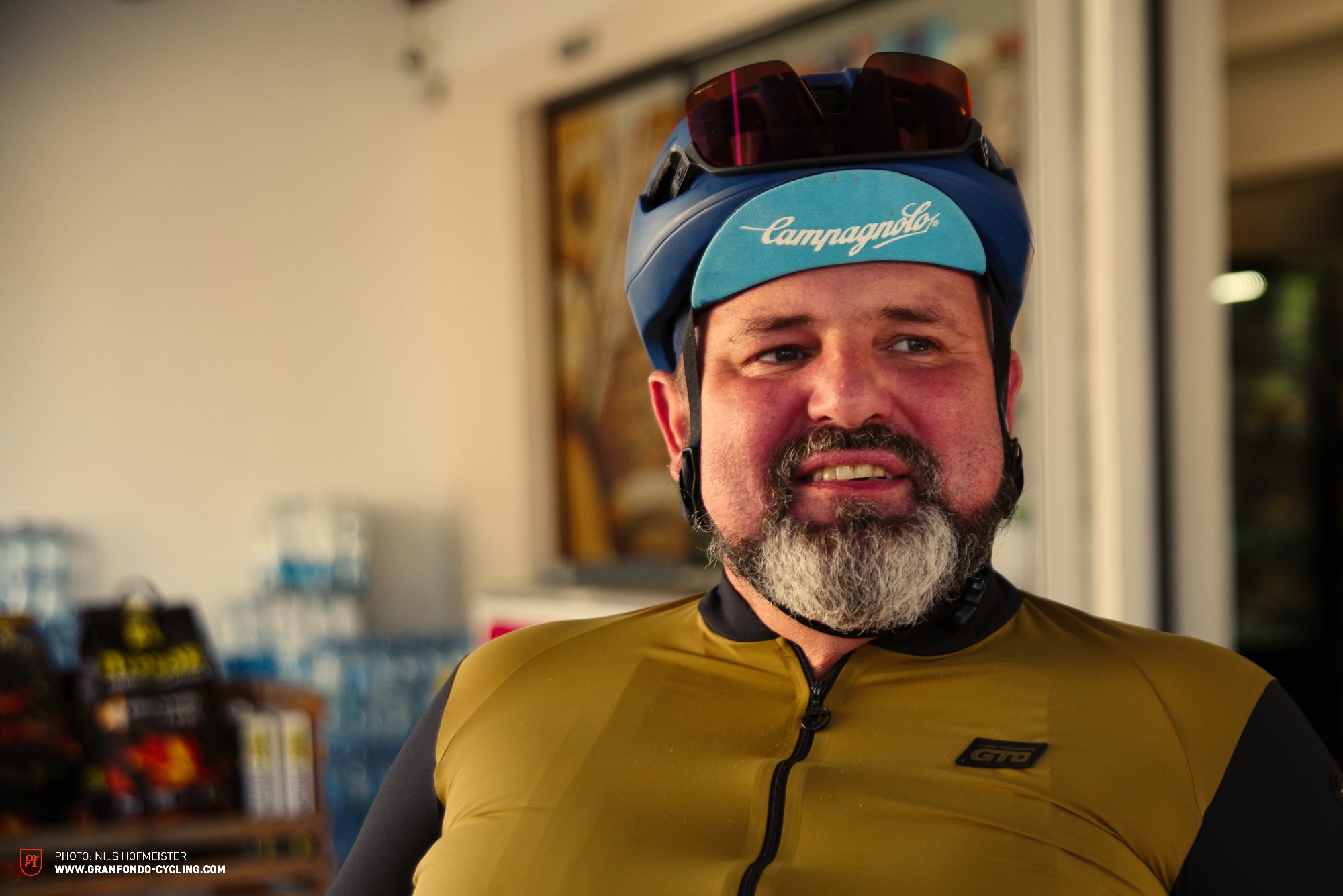
GF: Was there a bike that really changed something for you?
Andreas: I had a Cannondale back then. It wasn’t my first bike, more like my fifth. But it was the first one I rode proper distances on. And somewhere along the way, something clicked. That realisation that a bike is not just a tool, but a companion.
GF: Was that companion already titanium?
Andreas: No, not yet. But the fascination was already there. For me, titanium was always the Olympus. Untouchable. Fascinating. It doesn’t fatigue like aluminium and it doesn’t suffer from UV issues like carbon. That alone makes it special. Titanium is not a trend material, it’s eternal. A titanium frame was not something you could just go out and buy, at least not on my budget. At some point, I owned a Rocky Mountain Tibolt, one of the very first titanium bikes. And I sold it because I needed the money. Looking back, that was a truly terrible idea.
GF: Because it would be worth a small fortune today, or because you lost something important back then?
Andreas: When it was discontinued, there was nothing else like it. The geometry, the cable routing, everything was exactly how I thought it should be. The cables ran cleanly, without compromises. Elegant. Functional. And once it was gone, I realised I could not get back to what I was really looking for. That was the moment I thought: If that bike does not exist, I’ll have to build it myself.
GF: You then started developing titanium MTB frames and having them welded in small numbers, initially just for friends. Did you ever think it might turn into something bigger?
Andreas: Not for a second. I just wanted to build the bikes I wanted to ride. That’s still my motivation today. I build bikes the way I would build them for myself, or for Astrid, or for my kids. And if someone else wants that bike, I am happy.
GF: In 2000, you and Astrid founded 1bike4life. Was there anyone you looked at and thought, they are doing this right?
Andreas: I was reminded of something recently. I must have been 17 or 18 when I read an interview with Tom Ritchey. Back then, I thought: damn, he has figured it out. He brazed his first frames himself, then moved to California. Good weather. Swimming. Mountain biking. He designs the bikes, has them built by people who really know what they are doing, and lives exactly the life he wants.
Only recently did that thought come back to me. And that is when I realised that, in a strange way, I am exactly where I wanted to be back then. I get to do something that fulfils me and that I genuinely enjoy. Thinking about bikes, talking about them, developing them, questioning them. And occasionally, probably, going a little bit mad in the process.
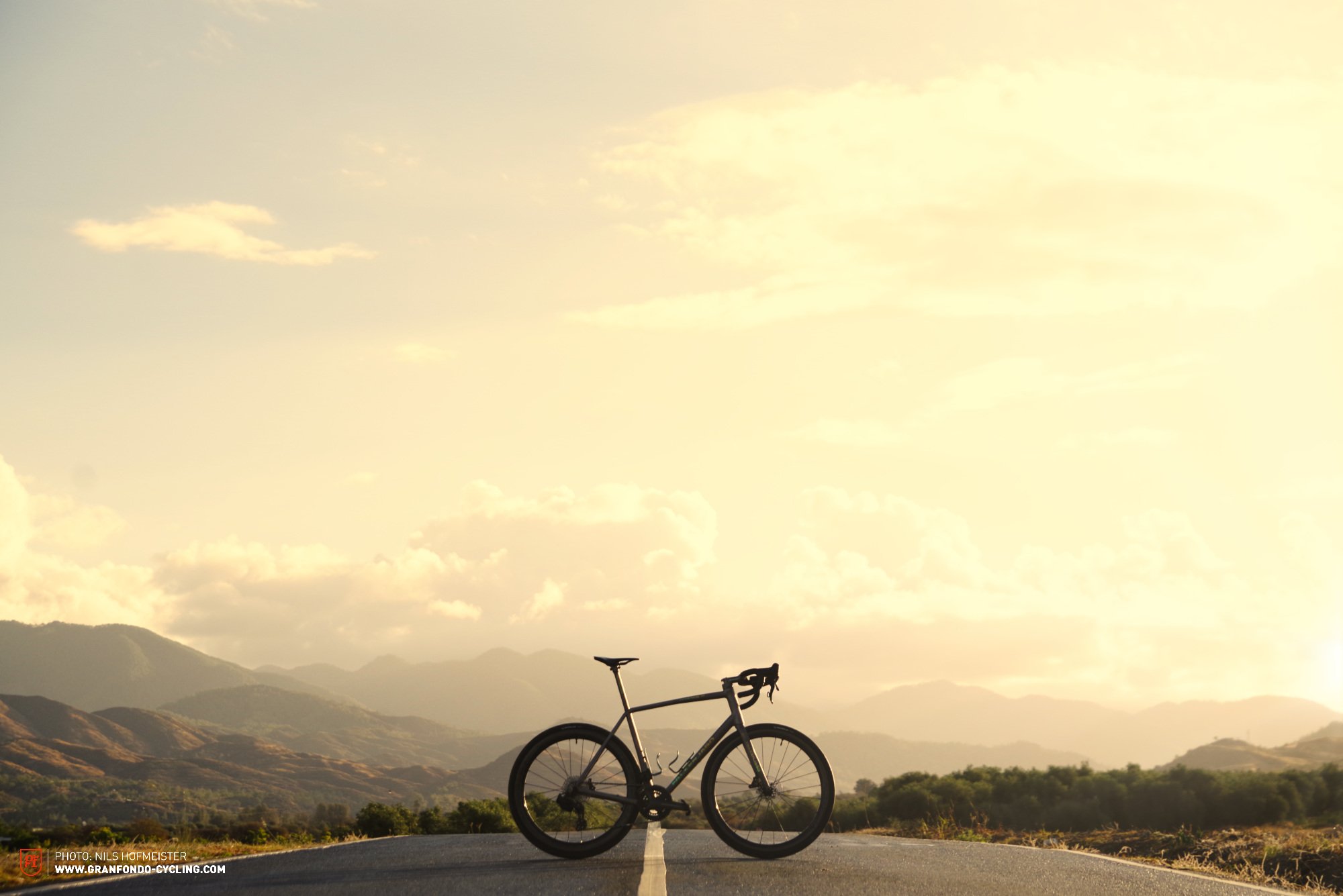 God against the sun – with the Aristos RS, a new edition of the iconic titanium road bike is ready to roll.
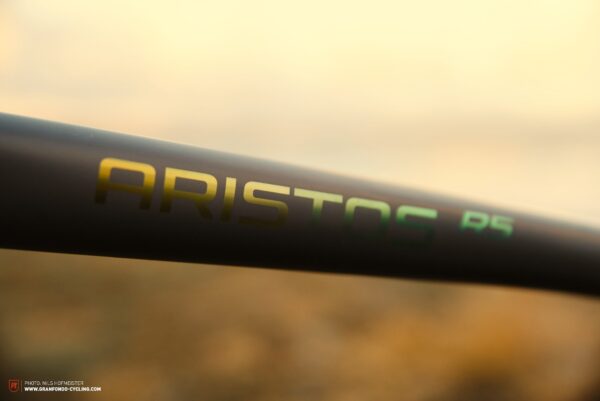
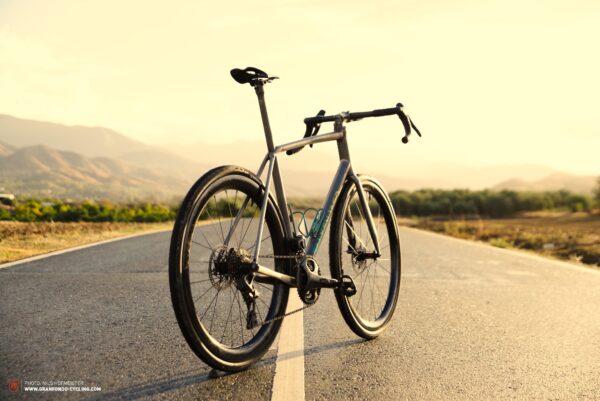
What Andreas calls madness turns out to be a highly productive version of it. Every bike shimmering in matte titanium beneath the olive tree has sprung from Andreas’ drawing board. And, according to him, every single one of them makes sense.
The result of this constructive consistency, or productive madness if you prefer, is a frankly intimidating range of models. The Falkenjagd portfolio alone includes more than 30 options, all waiting to be configured into a personal titanium dream bike. Almost everything with drop bars goes by the name Aristos. Only true aficionados can decode the cryptic suffixes T, S, SL, GT, GTR, RS or RSR. These are not spec options, but entirely different bikes, each defined by wall thicknesses, butting profiles and tube diameters tailored to a specific purpose. And if, after a few hours of studying the Aristos family tree, you feel ready to win at titanium tube-set bingo, be warned: the game starts all over again with the Hoplit hardtail MTB.
The same complexity carries over to the carbon sister brand Parapera, where Andreas has added a few linguistic hairpins on the road to the perfect bike match. Atmos, Anemos, Aeras. Then the abbreviations. Then everything squared. A crash course in Greek mythology, plenty of time and a glass of retsina might help untangle the mental knot. Or you could visit the 1bike4life test centre in Munich. Because in Andreas’ mind, a bike deserves to be touched, ridden and understood before it becomes a companion for life.
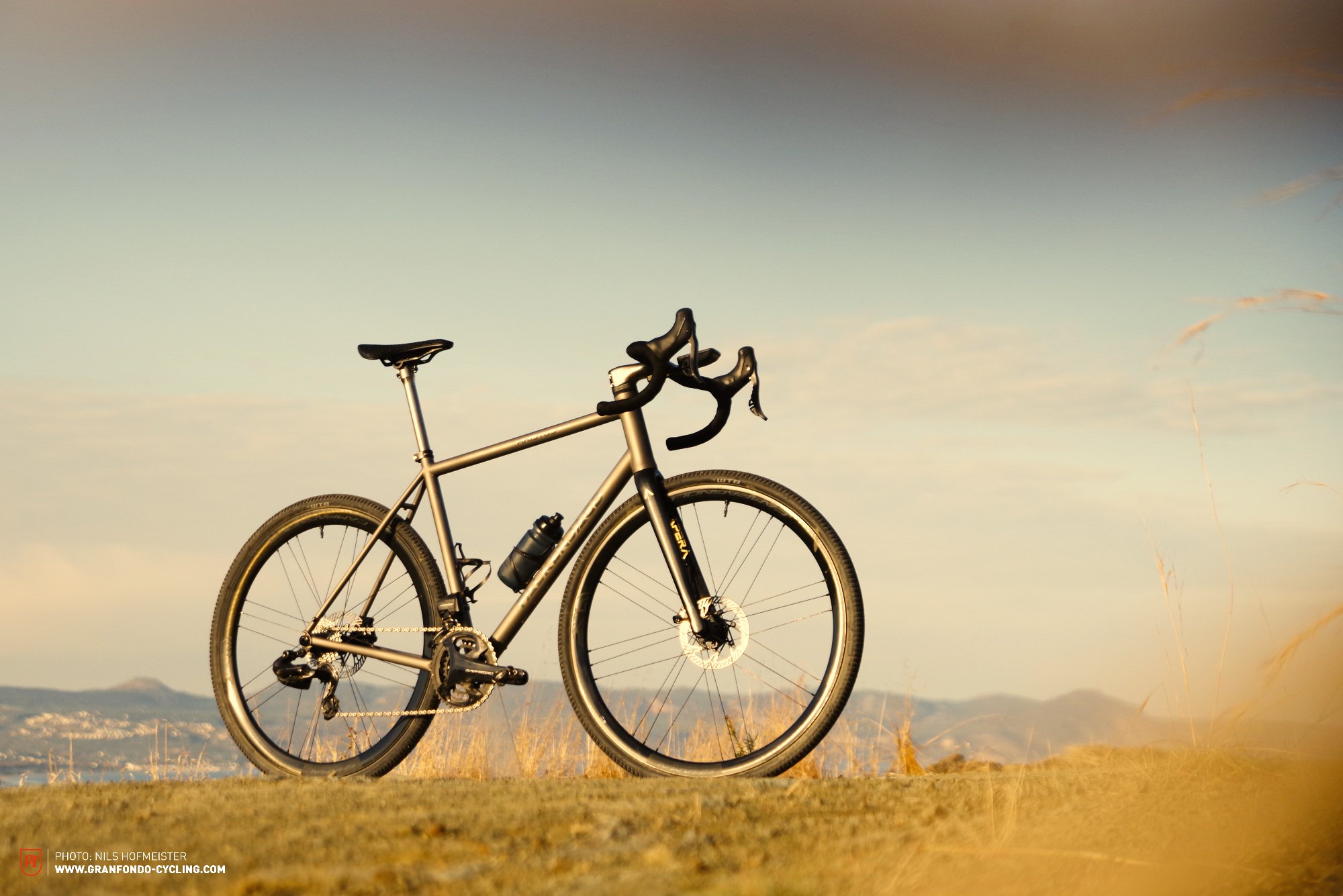
For any product manager or production planner, this mammoth portfolio would be an economic nightmare: models cannibalising each other, capital tied up in small production runs, hardly any economies of scale. Thankfully, there is no product manager and no production planner. Or rather, Andreas is all of them rolled into one. And more often than not, the bike builder Andreas overrules the production planner Andreas. “I’ve earned the freedom to build the bikes I believe make sense.”
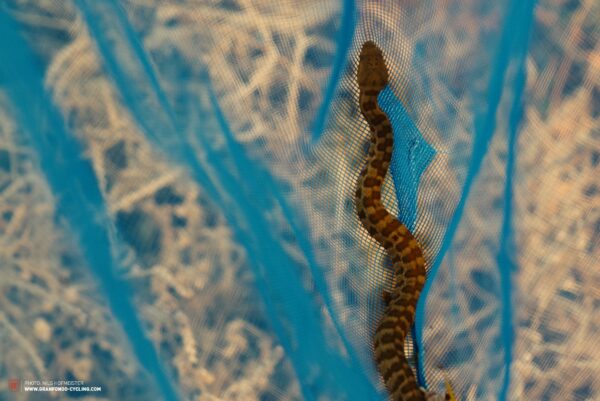
And the product manager Andreas? He barely gets a word in at Falkenjagd anyway. Marketing? “Not that important.” Sponsorship? “Why?” Trade shows? “I feel like a monkey in a cage,” says bike-builder Andreas, as he scoops a highly venomous Levant viper out of the hibiscus and carefully carries it into the neighbouring orange grove.
GF: A lot of brands are very loud, very bold, very aggressive. Compared to that, your communication almost feels complex. Is that intentional?
Andreas: Yes. We are very deliberately not sales-driven. Our website is text-heavy. It takes time. There is no “buy now” yelling at you. If you engage with it, you do so consciously. And that fits our bikes perfectly. They are not short-term consumer goods, but an expression of freedom, attitude and a certain timelessness.
GF: What makes a good frame in your opinion?
Andreas: It’s about making full use of what is technically possible. A good frame can take forces throughout the whole structure, distribute them and absorb them. It has as few stress peaks as possible, which makes it feel more muted, offers more compliance and, in the end, makes it more durable. That is exactly what many people mean when they talk about steel or titanium frames and say, “the frame feels alive”. What they are describing is a frame that can give when it needs to, and be stiff when it has to be, for example under power.
GF: I counted them up. Across all your brands, you have around 80 models and variants. If you were only allowed to keep three, which would they be?
Andreas: In the MTB world, it’s very clearly the Hoplit RS for me right now. Even though hardtail MTBs are having a tough time in the market, I am completely convinced by the concept and I believe they will come back. On the road side, the Parapera Atmos Masterpiece gives me a huge amount of joy as a performance-focused race bike. And on a personal level, the very first Falkenjagd Aristos RS titanium road bike was a real milestone for me.
Bikes like these don’t start with strategy, but with an inner question: what is technically possible?
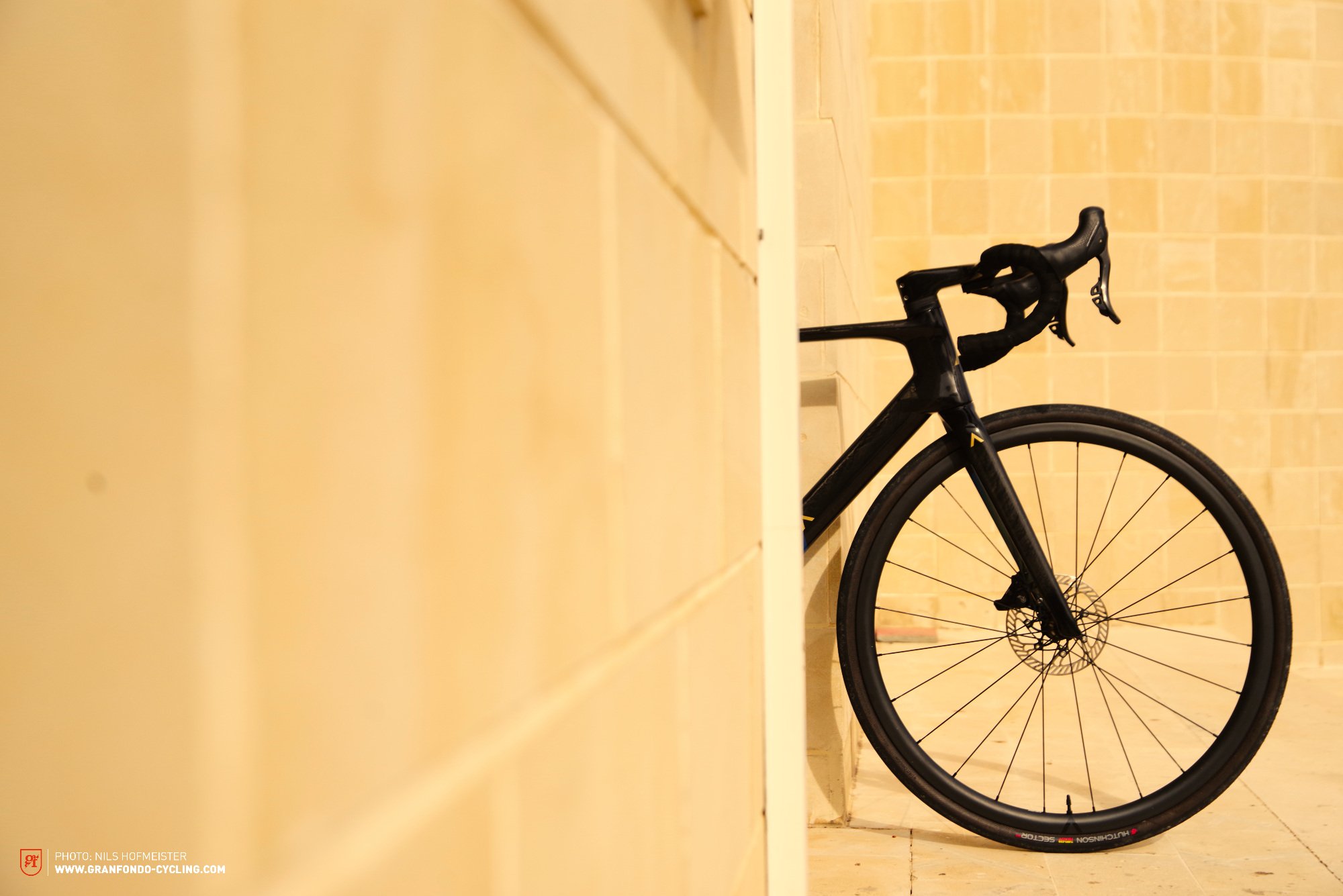
GF: Titanium has always carried a sense of exclusivity. You yourself described it as Olympus. With the Aristos GT, you have at least left Olympus in pricing terms. How do you make a titanium bike affordable?
Andreas: For Falkenjagd, the Aristos CX was hugely influential even before the GT. The CX was one of the very first genuinely purpose-built gravel bikes, and it was an extremely elaborate one: tapered tubes, triple butting, rack mounts, a titanium fork. A fantastic bike. But it also came with a price tag well north of € 6,000.
With the Aristos GT, we made a very conscious move towards the mainstream. A carbon fork instead of titanium, a simpler tube set, double-butted rather than triple-butted. No more complex, conically shaped tubes, but uniform diameters with targeted forming where it matters. Fewer highly complex CNC parts. The result is a bike that is around 30 per cent cheaper to produce, without losing substance or quality. Added to that are synergies and economies of scale.
GF: At the other end of the price spectrum sit bikes like the Parapera Anemos² Ti Masterpiece with titanium lugs, or the fully 3D-printed Falkenjagd Omega.
Andreas: Bikes like these do not start with strategy, but with an inner question: what is technically possible? They are technology demonstrators. For us, and for me personally, production numbers are not the point.
The latest titanium tech demonstrator greets me, casually leaning against the television in the Kirschner family’s living room. It’s a new Aristos road frame that blends 3D-printed lugs with the classic virtues of traditional framebuilding. Elegantly butted tubes, a beautifully shaped seatpost clamp, clean, flowing lines. The whole thing is rounded off with a forged titanium crankset, a titanium fork and a titanium stem that routes all cables invisibly into the frame.
“Shame I’m not allowed to take any photos,” I say. “Why not?” Andreas asks. “Well, the bike hasn’t been officially launched yet.” “Nonsense,” Andreas replies. “If it’s finished, it’s finished. Then we can show it.”
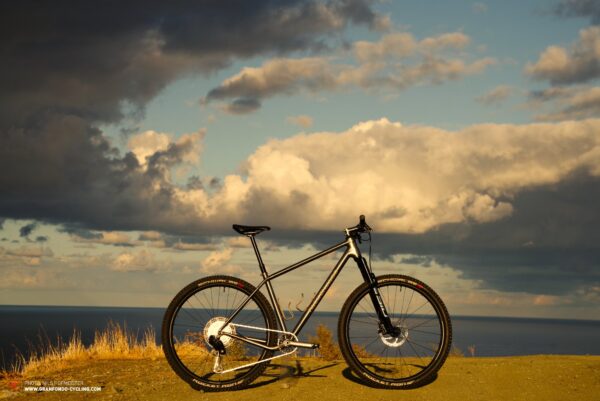
His heart belongs to the Hoplit – Andreas is convinced the hardtail MTB is set for a comeback.
Island Instinct – Since 2021, 1bike4life Have Been Developing Frames in Cyprus
Frames made in Asia. Assembly in Greece and Munich. Company headquarters in Cyprus. Despite this globally scattered setup, 1bike4life have somehow remained a family operation at heart. Astrid looks after communication and the website. The three eldest sons handle sales, IT and keep the assembly side running smoothly. And Andreas? He designs frames, keeps production moving, invests in 3D-printing technology, sorts out financing, negotiates with suppliers and signs off contracts. Jobs that, in most companies, would be spread across several departments.
That morning, while I’m still trying to make sense of Campagnolo’s shifting logic, an email lands on Andreas’ screen. One gear on a Pinion gearbox has stopped working on a seven year old customer bike. The customer has written to Andreas directly. Day-to-day reality catching up before we have even reached the first climb.
Should the CEO of a company selling around 4,000 bikes a year be personally dealing with a gearbox issue on a bike that has long been out of warranty? Probably not. But if you build bikes the way you would want to ride them yourself, their problems tend to feel personal too. Letting things simply bounce off him is not really Andreas’ style.
Later, I suggest reassigning the Campa shifter buttons. Andreas is immediately on board. Had I known that this enthusiasm would nearly cost us dinner, with firmware updates here and app updates there, I might have stuck with random gear choices for a bit longer.
If there’s a problem to solve, Andreas wants it solved straight away. Otherwise, it stays in his head. And keeps him there.
GF: Why is titanium, as a material, so fascinating to you that you have devoted almost your entire life as a frame builder to it?
Andreas: A titanium frame has the same material properties after 20 years as it had on day one. That’s where titanium fundamentally differs from almost every other frame material. It has very high strength and is largely indifferent to its environment, whether that is temperature swings, UV exposure, salt or moisture. From a structural point of view, a 20-year-old titanium frame is just as good as a new one. There is no moment where you have to say: this frame is now reaching the end of its life.
GF: Stripped back to construction, what are the fundamental options in titanium framebuilding today?
Andreas: Basically, there are three routes you can take. You either build a classic welded frame from drawn tubes. Or you use 3D-printed junctions and combine them with tubes, which is what we do on many of our models. The third option, like with the Omega, is an almost entirely 3D-printed frame.
From a structural point of view, a 20-year-old titanium frame is just as good as a new one.
GF: And from a design perspective, where does a fully 3D-printed frame have its biggest advantage?
Andreas: With a fully 3D-printed frame, the way forces flow through the structure is as clean as it gets. You no longer have classic junctions where stress peaks tend to build up. Instead, loads are spread evenly across the entire frame, because geometry, wall thicknesses and transitions are all optimised as a single system. The result is a minimum of stress peaks. From a structural point of view, it is the most consistent solution for managing loads.
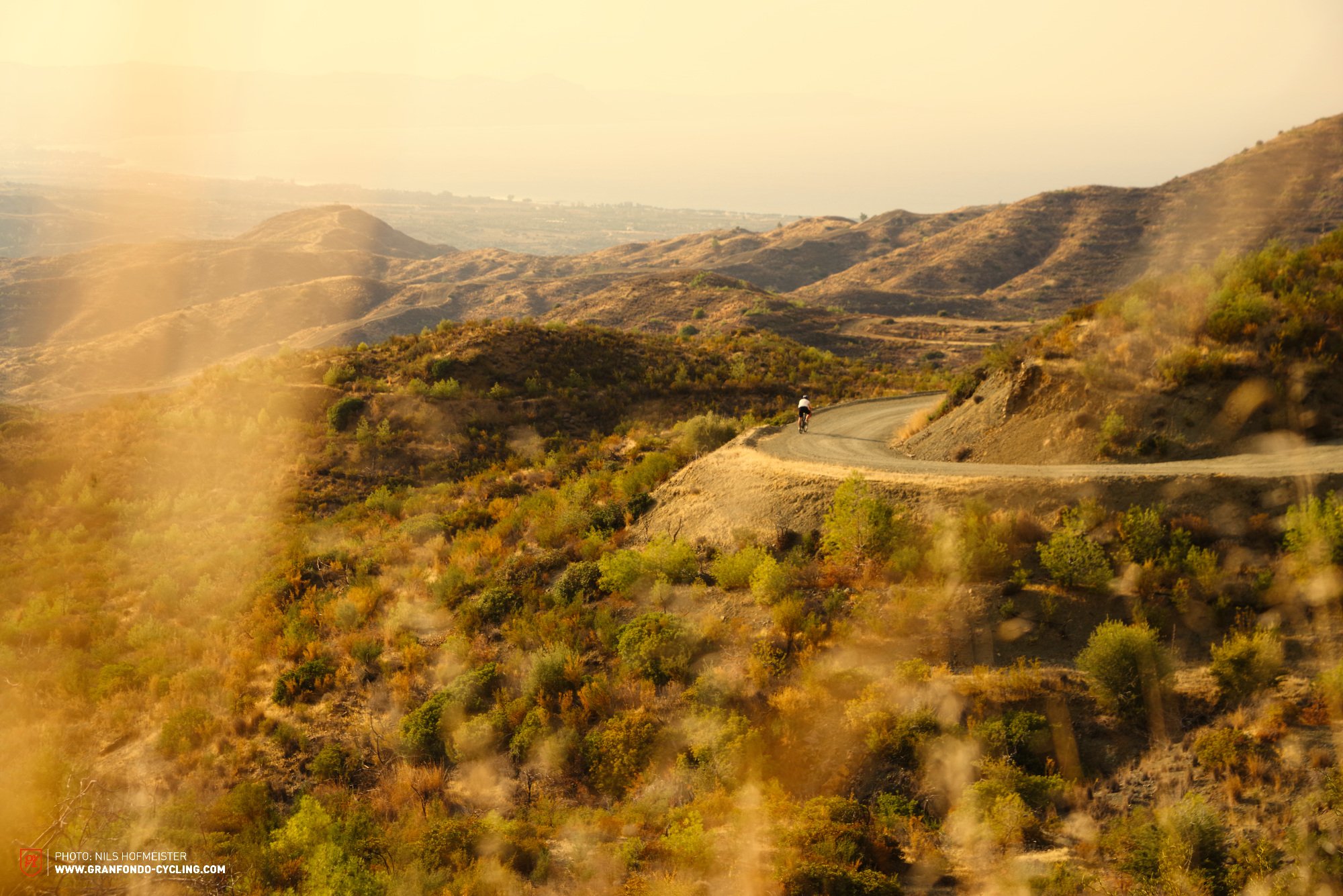 Cyprus is a gravel rider’s dream. But Andreas made me promise not to give away his home loop.
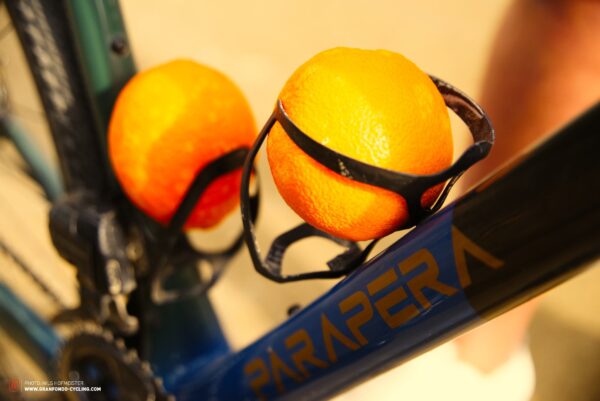
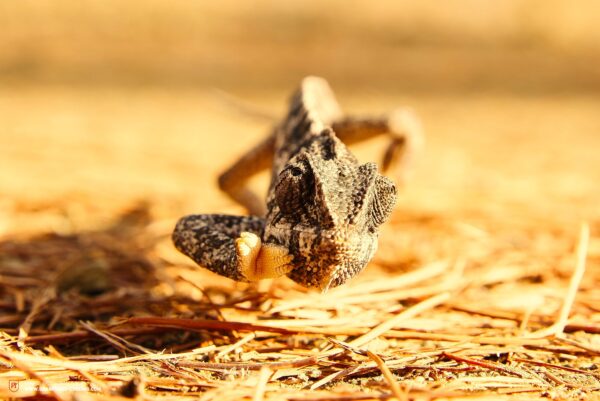
Chameleons only come here in real life – not as an effect paint finish.
Anyone who dives into the world of framebuilding with Andreas should be prepared to feel, three coffees later, as if they are still standing at the very bottom of a long, very steep learning curve. Load input points, weld distortion, tensile and compressive forces, braking-induced torsion. Suddenly, your own bike starts to feel surprisingly fragile.
My main takeaway: a titanium frame is practically indestructible. Unless the argon shielding during welding is breached and oxygen gets to the weld. Then the material turns brittle.
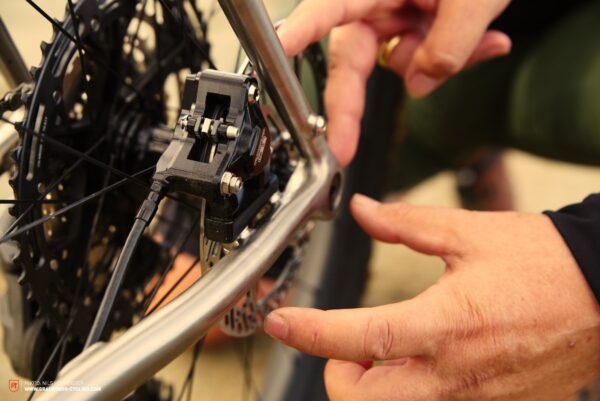
I also learn that the most highly stressed zones sit, of all places, where different forces collide: on the non-drive-side chainstay just ahead of the disc brake mount, and on the underside of the down tube where it meets the head tube. And that one of the better-kept secrets of framebuilding is the order in which those tubes are welded in the first place.
In addition I am being told that some framebuilders make life easier for themselves by using the same rear triangle across different frame sizes, and by not fully adapting butting profiles to each individual size.
More than anything, though, I come away with the sense that Andreas carries a vast, imaginary framebuilding kit in his head. A library of tubes, tube shapes, geometries, junctions and 3D-printed elements. An accumulated body of experience from which new creations reliably emerge.
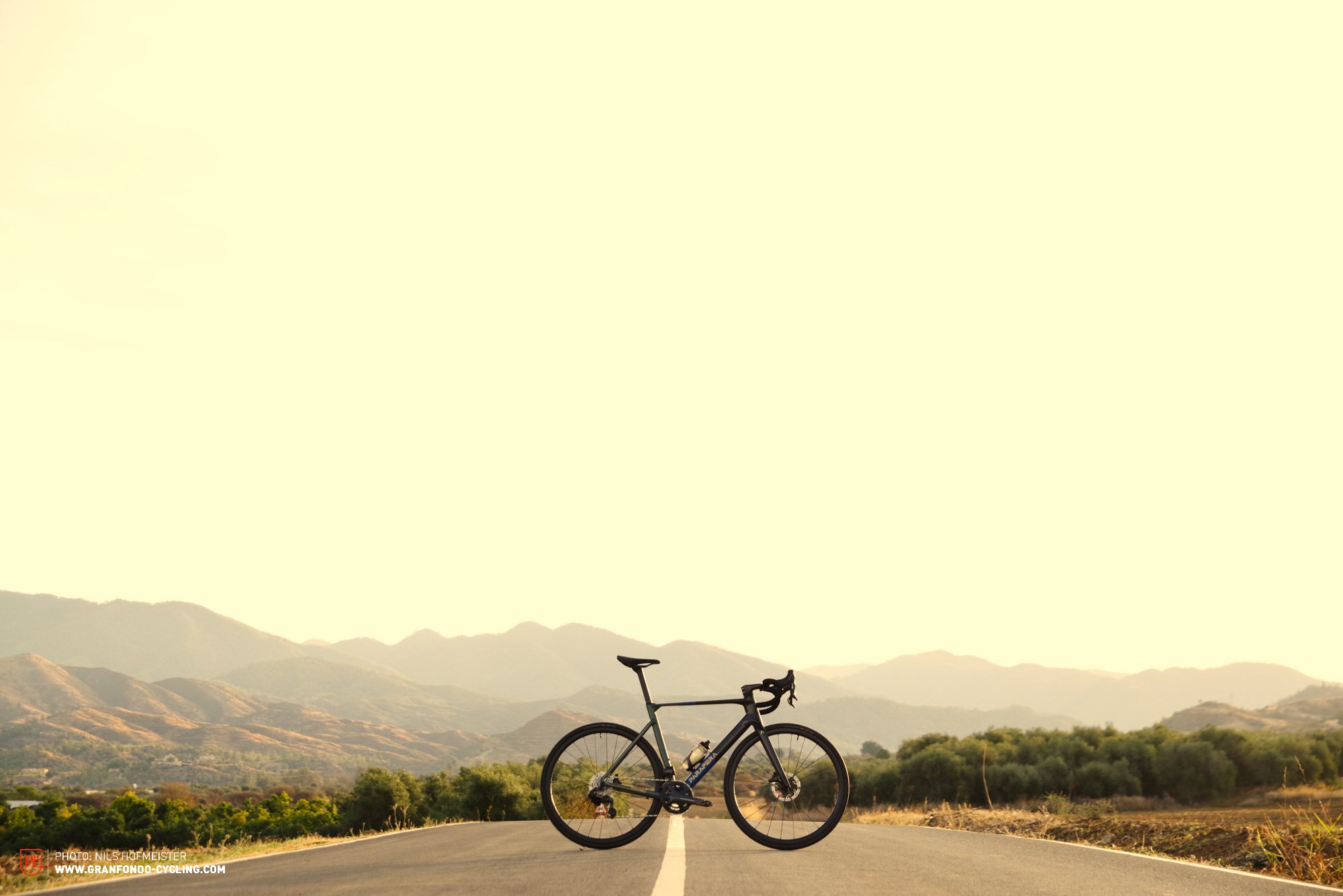
GF: Is framebuilding an art?
Andreas: Designing a good-looking frame with integrated routing around an electronic wireless groupset is not art. The real art lies in designing a fully integrated frame in such a way that mechanical cables still run almost invisibly, remain serviceable and can be operated with a sensible amount of force.
GF: What actually limits the lifespan of a bicycle?
Andreas: In very few cases is it the frame that fails. The real issue is changing standards. Components disappear. Tyre clearances increase. UDH mounts appear. The old gets replaced. A good bike is rarely retired because it is broken, but because it can no longer keep up.
GF: How long do your customers ride their bikes?
Andreas: A very long time. I check eBay from time to time. Our bikes hardly ever show up there. Lease bikes are almost always bought out at the end of the term. Most bikes outlive their owners.
We once had an older customer who was determined to order one last titanium road bike. You could tell he was ill. He said, “Better now than never.” We pushed the build forward and finished the bike in six weeks. He was incredibly grateful. Then I did not hear anything for a long time. A year later, his son came into the shop with the bike. The father had passed away. For the son, the bike had become a legacy. It was the bike that brought him to cycling.
Most titanium bikes outlive their owners.
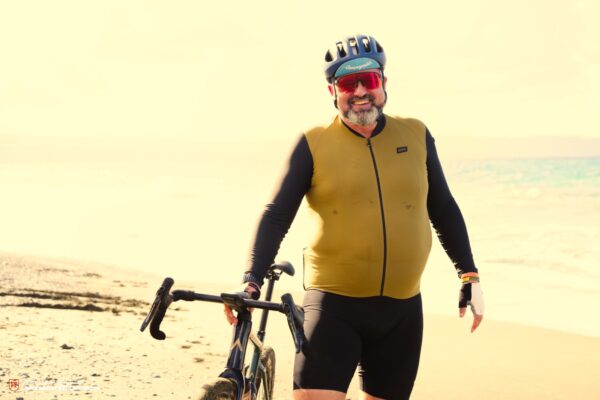
GF: Does the way you look at a bike change the longer you own it?
Andreas: Completely. Ride a bike for ten or fifteen years and grow older with it, and your priorities shift. At some point it stops being about weight or looks. A bike turns into a companion. For rides, for trips, for carrying stuff. It collects stories. And somehow, those stories stick to the bike.
GF: From a framebuilder’s point of view, what would you like to see more of in the future?
Andreas: Honestly, I would like to see a bit of a move back towards mechanical shifting. Not because I am anti-tech, or because electronic shifting does not work brilliantly. It does. But because it would challenge me as a framebuilder. Cable radii, especially around the head tube and the cockpit, are where things get interesting. It is a bit like the watch industry. On one side, you have fast-moving quartz or digital watches. On the other hand, mechanical watches that fascinate because of how they work. A bicycle is a mechanical object. Its appeal lies in that mechanics. Add a mechanical groupset, and it becomes a proper piece of craft.
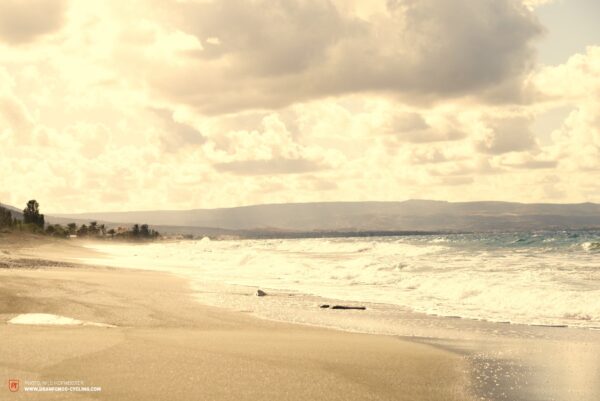
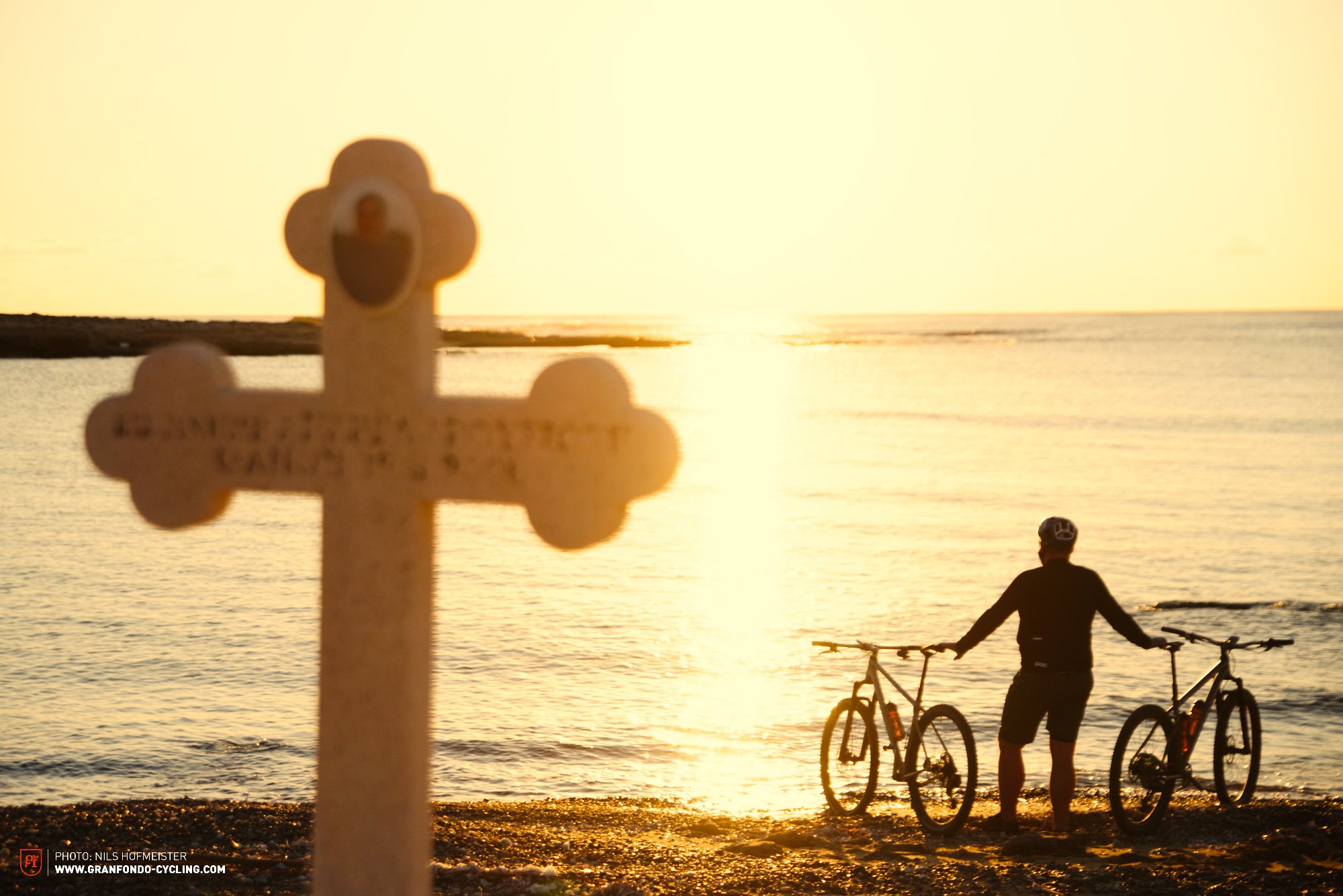
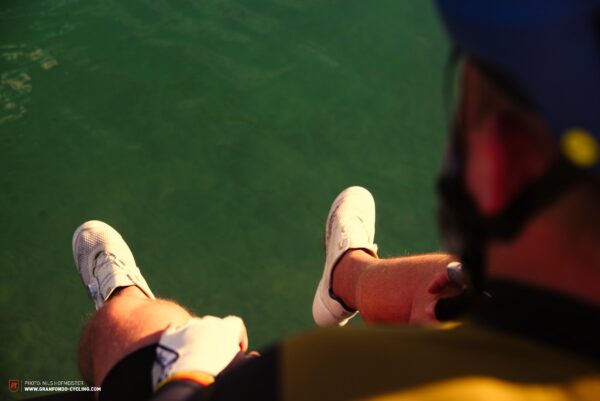
We roll east along the coastal road. Andreas has a destination in mind. A short stop at a small bay. Carbon soles crunch over coarse gravel. Legs dangling above turquoise water. Andreas has lent me a helmet. The glue has let go. The shell is bubbling. Not ideal. Not important.
I glance at Andreas’ feet. No socks? “Socks? I cannot do socks,” he says. “They make me feel trapped.”
Andreas tells me that he and Astrid often come here in summer with their granddaughter. Shade under the rocks. A bamboo beach bar. “Astrid can really switch off here,” he says. And him? “When we are here and the phone rings, I feel it straight away. That sense that I might be missing something. Or that it could be important. I often feel like I have my finger permanently in the socket. And pulling it out is harder than it sounds.”
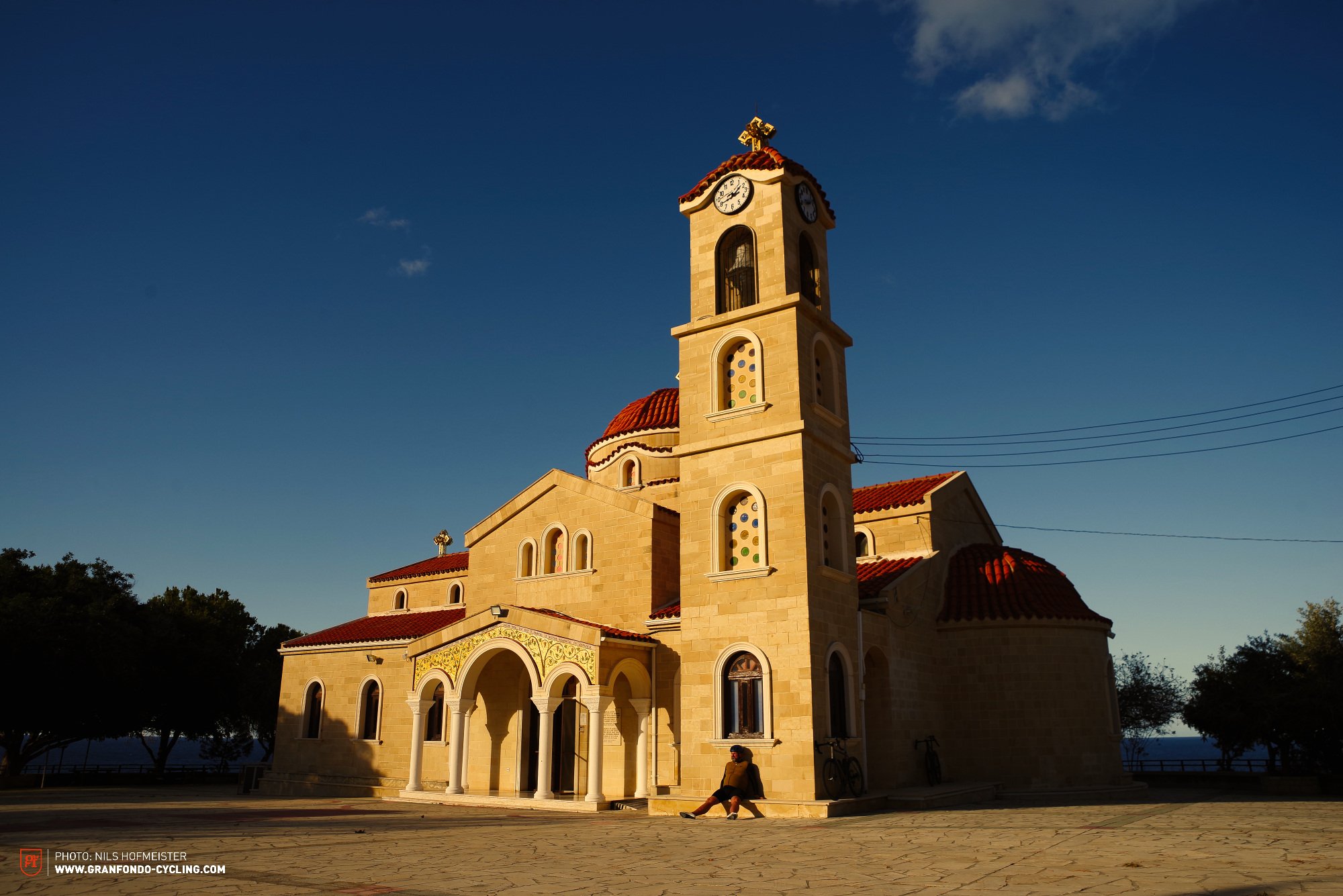 The search for inner calm runs through Andreas’ life. There are places where he comes very close to it.
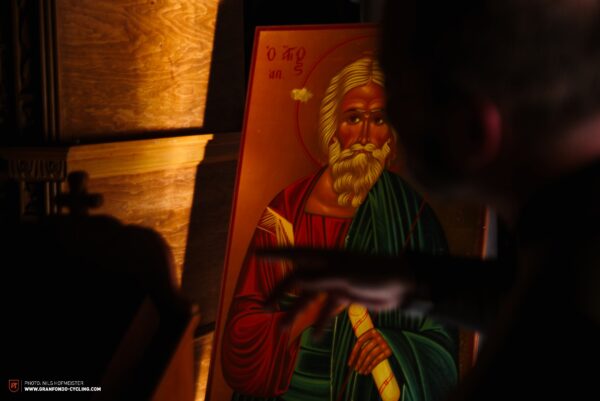
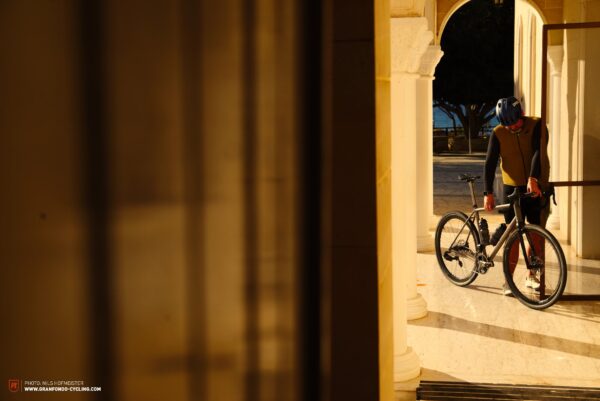
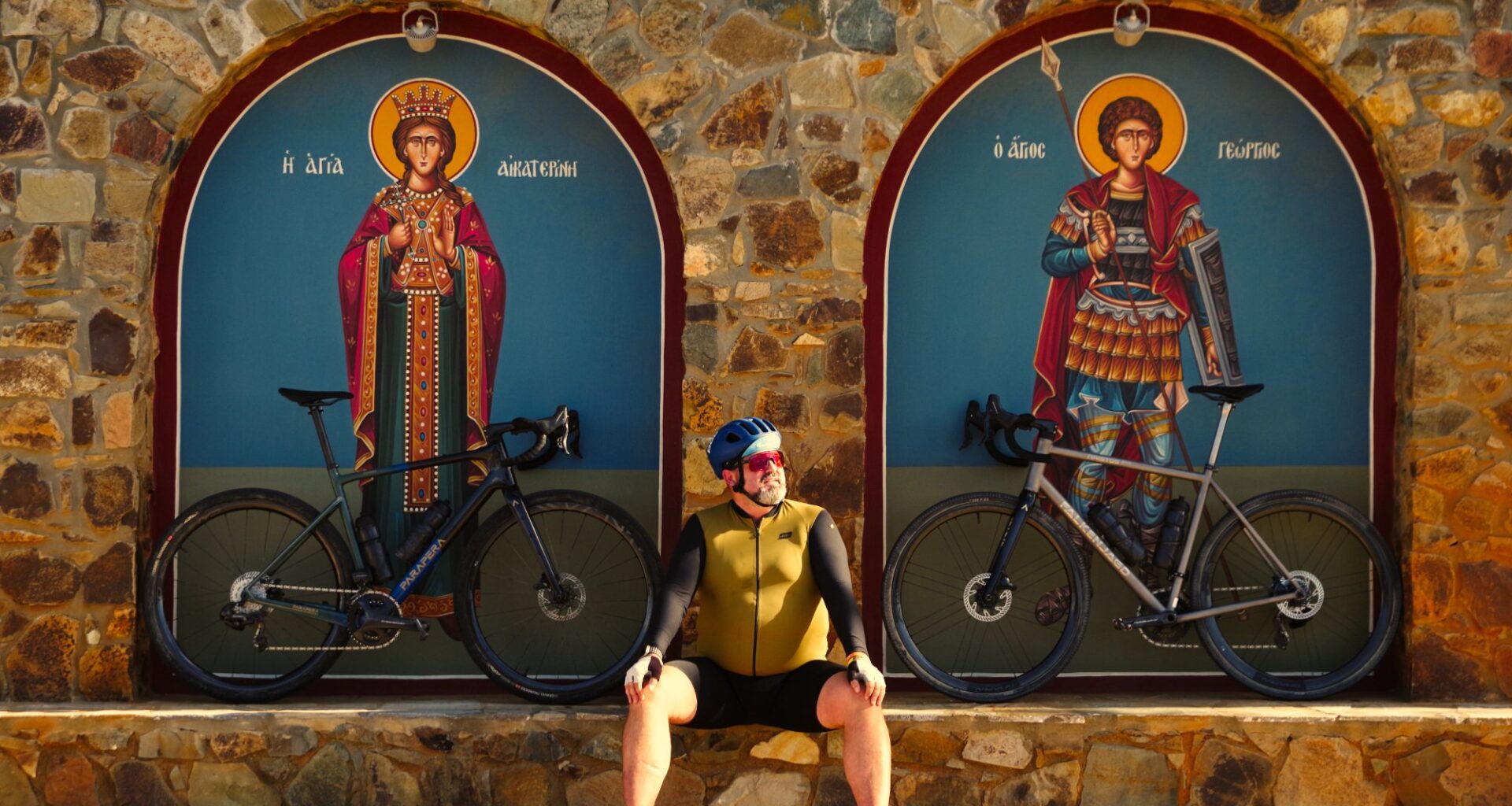
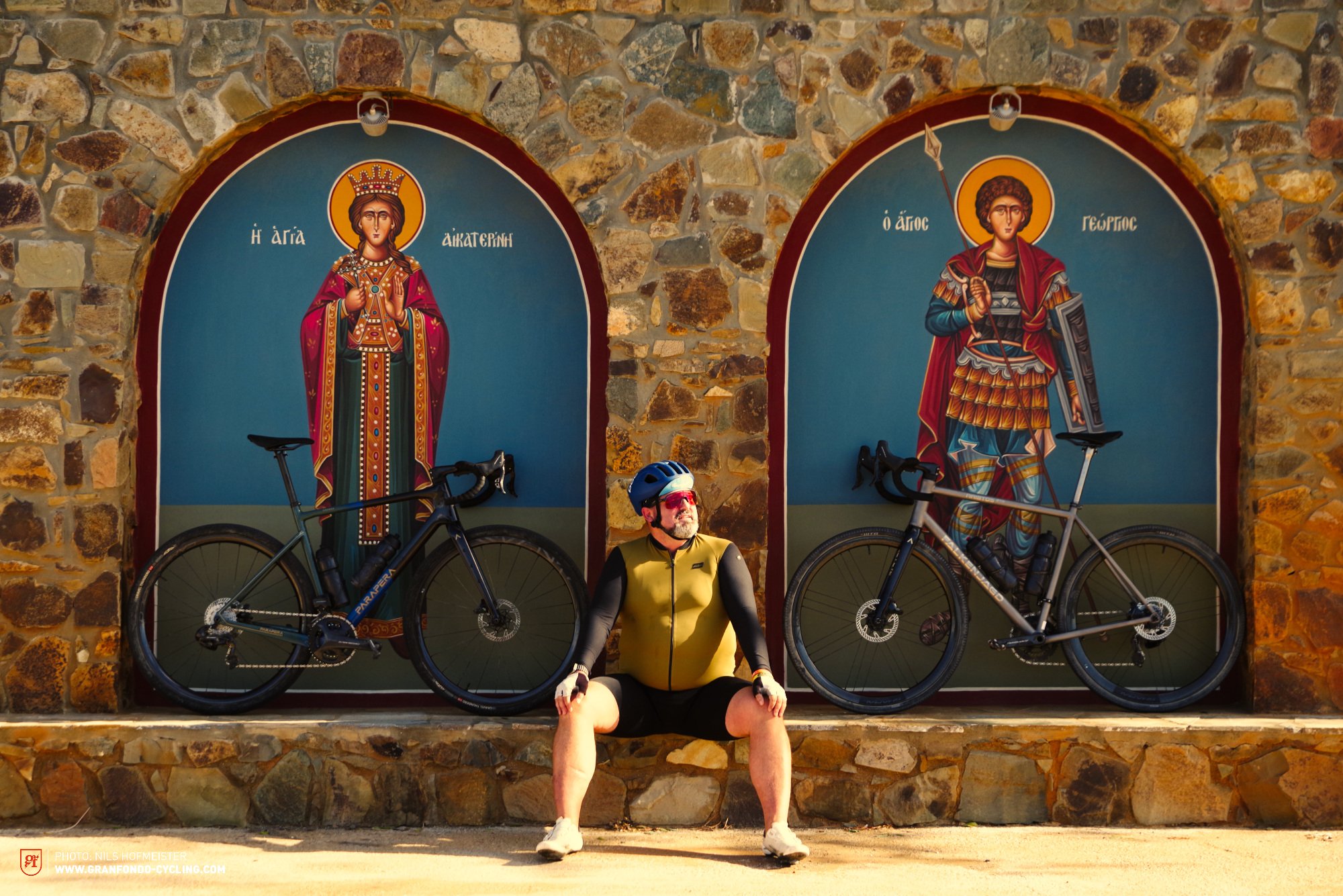
We ride on. Past green citrus groves (Andreas says Cyprus-green), blue bays (Andreas says Cyprus-blue) and brown hillsides (Andreas says golden). Apostles peer out from wall niches along the road. A short climb, a sharp left, and we find ourselves in front of a church. Inside, even more apostles. Andreas points, smiling, at a figure with wild hair and a scruffy beard. “Among the apostles, Andreas is always the messy one.”
Outside, the photographer in me springs to life. I line up pedals, stage titanium welds against sandstone walls, and curse the midday sun. Andreas sits in that same sun, watches me for a while, then says:
“Let go of the idea that we have to sell anything here.”
I sit down. An old woman brings us mandarins.
GF: How important is recognition to you?
Andreas: It matters to me that people recognise the value in a bike. The thought that has gone into it. That they understand the bike for what it is, with its specific design choices. But I do not base my decisions on majority taste. Whether someone actually buys a bike is not that important to me, because I cannot control that. What matters to me is that, if they do buy one, they are happy with it. Disappointment in one of our bikes is, in a way, my Achilles’ heel.
GF: And if someone is disappointed that anodising is only available in gold, green and blue, and not in purple?
Andreas: The colours come from nature. You see the gold here in the landscape when the grass dries in autumn. The green is a very specific one, not a fashionable green. The blue comes from the sea. These colours are not harmonious in the classical colour wheel sense, but organically grown. They are the colours of Cyprus. That is what makes them believable, even if they do not appeal to everyone. And if you want a purple anodised frame, you will have to buy it somewhere else.
If I am not convinced by something, it does not happen.
GF: The brand names, the shop in Munich, the assembly. Many people still place you, and the company, firmly in Germany. Yet here we are, in Cyprus, with a bike in Cyprus colours. What does Cyprus give you that Germany no longer did?
Andreas: At some point, I felt too close to everything. The company was taking up too much space. Structure, order, processes, assembly, organisation. There was little room left for creativity. Leaving Germany felt like taking off a wet, heavy coat. Here, I have more distance. And that distance allows me to focus on what I actually want to do.
GF: Are you good at letting go of control? At sharing responsibility?
Andreas: I think there are two operating systems running in me. One is very structured, very organised, very focused. Endurance, discipline, getting things done. I would not call it “German”, but it is definitely goal-driven. The other comes from my Greek mother. Live and let live. Let things breathe. Occasionally call it a day and trust that life will sort itself out somehow.
GF: And does it?
Andreas: I hope so. I really do. You cannot run a profit-and-loss statement every day and draw a line under it. Not in life, and not in a business. A lot of things only make sense afterwards. There is a Greek saying that it’s not over ’til the fat lady sings. For me, that means I try to trust my gut a bit more. Astrid is more rational in many ways. Which is exactly why we work so well together.
GF: Did it ever feel like you had to justify yourselves as a brand when you moved to Cyprus as a family?
Andreas: I do not think credibility is about geography. It is about people and attitude. For me, the Cyprus question was answered the moment I said: my mother is Greek, I have family here, I like the island. End of discussion.
Promise me you will not reveal this route.
GF: Is that mindset also part of the brand?
Andreas: Completely. We are a very person-driven company. If I am not convinced by something, it does not happen. Even if it would sell. Customers feel that. They know that if I say something is good, I ride it myself exactly like that. That is credibility for me. And in the end, I believe life is change. Movement. And nothing accompanies that better than a bicycle.
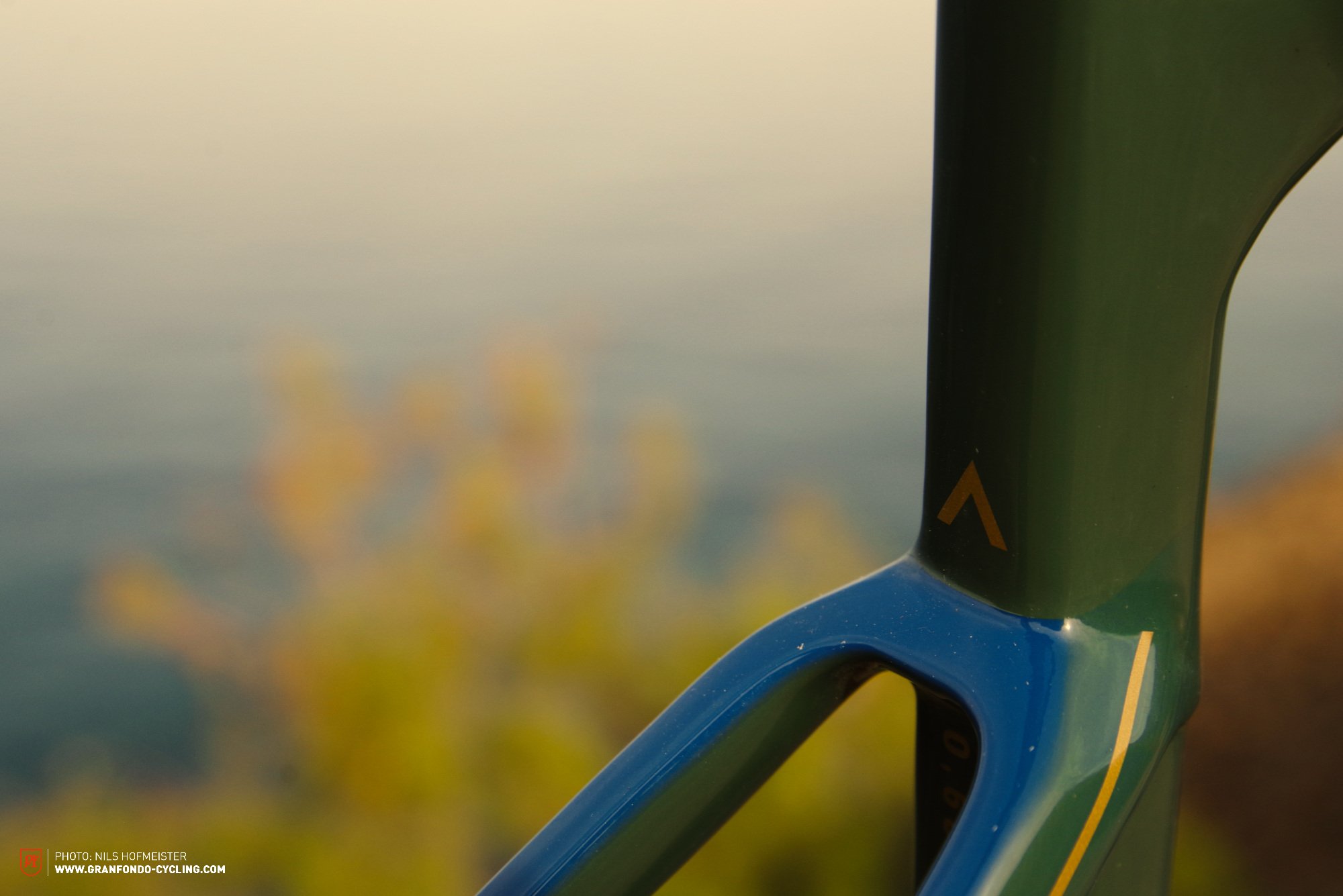 Blue, green, gold – the colours of the island.
Next day. Next church. I get the sense that Andreas is guiding me to places that matter to him. This time we head into the mountains. Away from the Cyprus-blue sea. In exchange: orange groves again, a dried-up reservoir, a chameleon wobbling uncertainly across the road.
I have to promise Andreas not to reveal our route. This is his retreat. He comes here for the silence. He needs the silence. My half-serious suggestion of organising a gravel race from the sea all the way up to Olympus is met with silent horror.
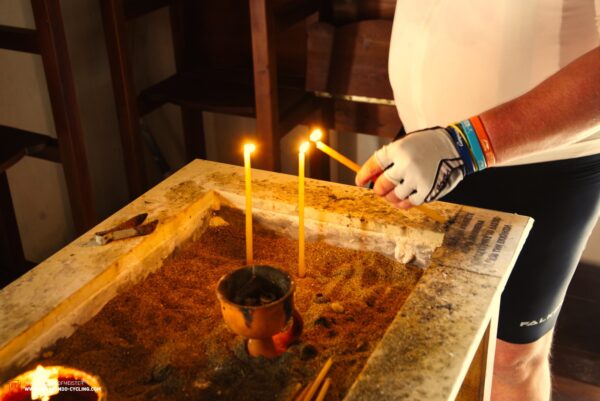
Inside the church, Andreas lights candles. In the first months after moving to Cyprus, he came here almost every day. Actually every night. The decision that now feels so obvious was, back then, anything but. That first stretch on the island took the family real effort to get through.
GF: From the outside, your life looks relentlessly busy. And yet you talk a lot about calm. How do those two things go together?
Andreas: I think we often mistake outward movement for inner unrest. For me, it is the other way around. I need calm in order to function at all. Only when things go quiet can I think clearly, make decisions, set priorities. Without that calm, I would lose myself.
I would love to be able to just ride my bike again without immediately thinking about the company.
GF: Is that calm something you actively look for?
Andreas: Yes, but not in the sense of stopping. It’s more a state of inner order. When nothing needs to happen, nothing is left unresolved, a kind of freedom opens up in your head. And that freedom is incredibly productive.
GF: And the bike plays a role in that?
Andreas: Very much so. Riding is a tool for me to reach exactly that state. It is not an escape. It is concentration.
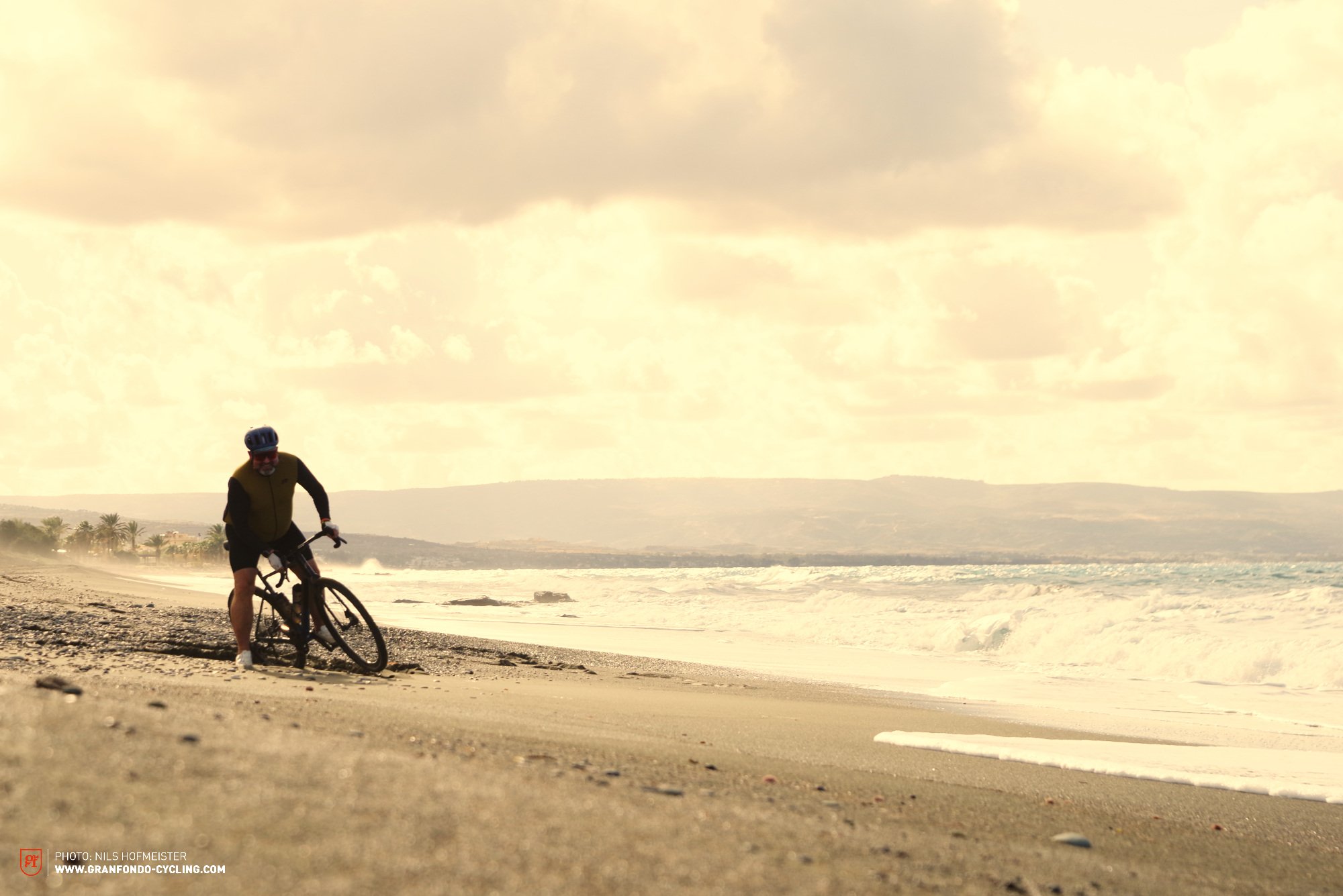
To finish the day, Andreas invites me for a beer. The bikes are leaned up against the bleached wall of the kiosk. My eyes drift to the shift paddles of the 12-speed Campagnolo Super Record Wireless. Mocked. Judged. Dismissed. For two days, their idiosyncratic ergonomics and shifting logic had kept my coordination on its toes. On day three, my synapses finally rewired themselves. Now I am enjoying a light, smooth-running and genuinely beautiful groupset.
Andreas seems to have anticipated the narrative arc of my personal Campa odyssey. Snap judgements are not his thing anyway. Things need time to take shape. That requires the right balance of dedication and distance, persistence and perspective, conviction and doubt. In framebuilding, on the bike, in life. It also means questioning yourself and the path you are on, and being willing to let go in order to make room for something new.
GF: Does cycling still work the same way it did 35 years ago, when you simply set off towards Lake Garda? Does it still give you that sense of freedom?
Andreas: Not anymore. I would love to be able to just ride my bike again without immediately thinking about the company. Riding to clear my head does not really work for me these days. Something has been lost there. And I would like to get it back.
GF: What would you do if the company did not exist? Apart from riding your bike.
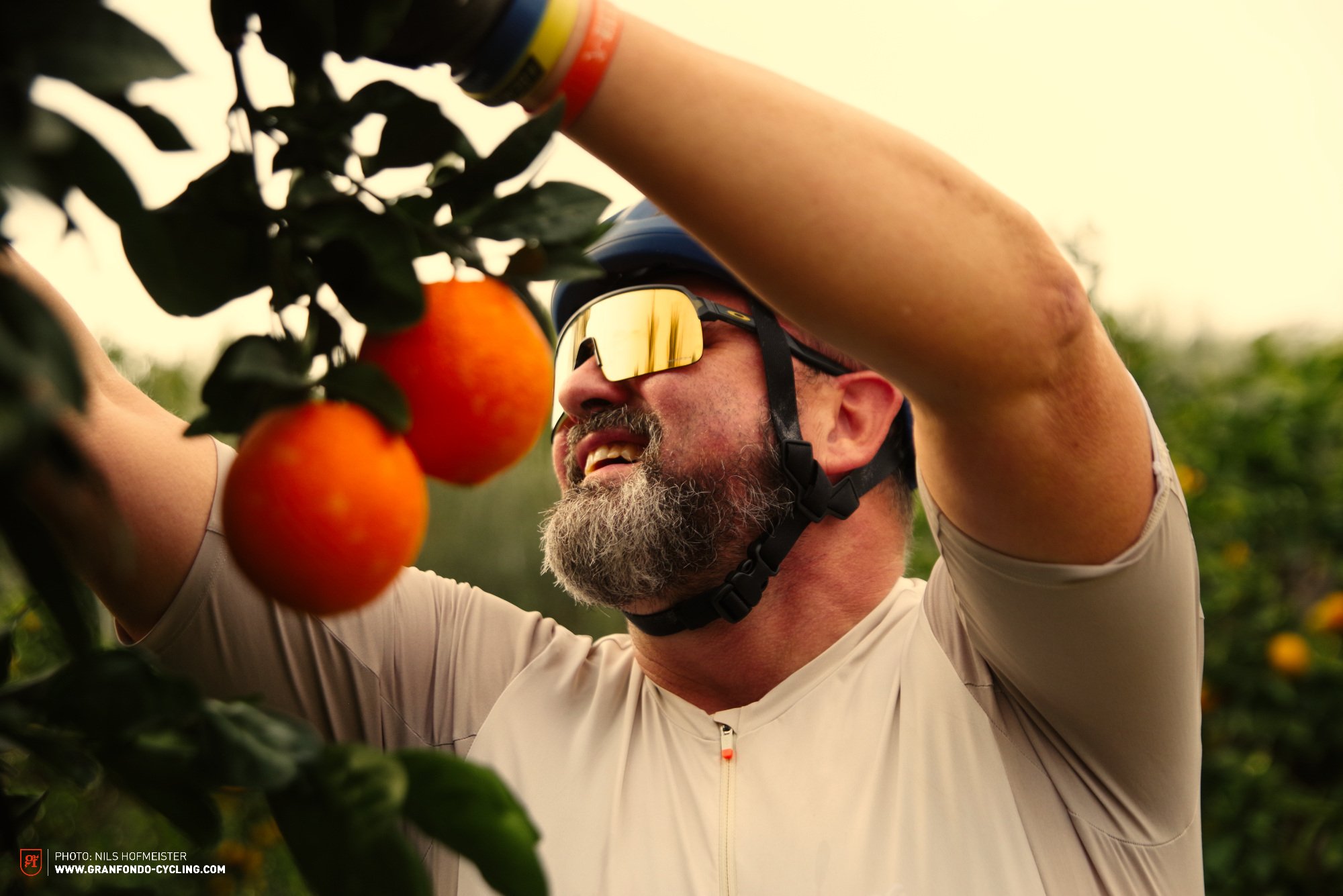
Andreas: Diving, sailing and growing oranges.
Did you enjoy this article? If so, we would be stoked if you decide to support us with a monthly contribution. By becoming a supporter of GRAN FONDO, you will help secure a sustainable future for high-quality cycling journalism. Click here to learn more.
Words & Photos: Nils Hofmeister