
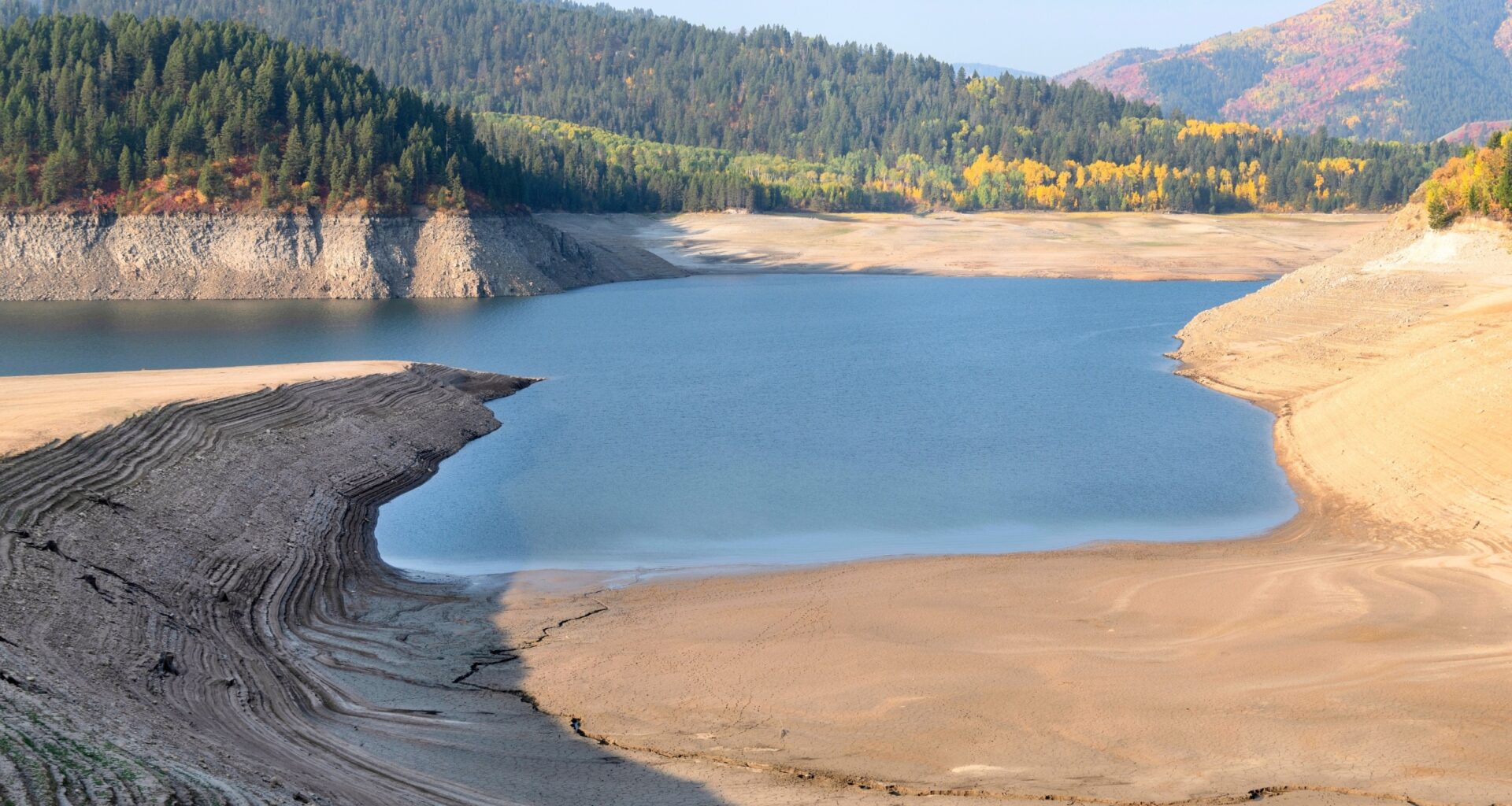
Droughts are quietly putting pressure on Europe’s clean energy ambitions. When rivers run low, hydropower weakens, and countries are forced to lean on fossil fuels again.
That creates a worrying loop: climate change makes droughts worse, and droughts push emissions even higher.

The study followed 25 European countries between 2017 and 2023 and was carried out by researchers, including Francesco Cherubini and Xianping Hu from NTNU’s Industrial Ecology Program. Their work shows just how fragile the energy system becomes when extreme weather hits.
When renewables fall short
Hydropower depends heavily on water availability. When droughts hit, that supply drops fast. Other renewables, like wind and solar, can’t always make up the difference, so countries are left with a gap they still need to fill.
That gap is often covered by fossil fuel plants or electricity imports. It keeps things running, but it comes at a cost.
Over those seven years, fossil fuel generation in the EU increased by 180 terawatt-hours. That’s a noticeable share of the total electricity mix.
Emissions spike during droughts
The environmental impact adds up quickly. Fossil fuel plants used during droughts released an extra 141 million tons of CO2 equivalents.
That’s more than what the Netherlands emits in a year from fossil fuels. And it didn’t happen gradually – it built up during just a few difficult years.
This is where the cycle becomes clear. Climate change drives more droughts, and droughts drive more emissions. It’s not a slow feedback loop either – it can happen within a single bad season.
Pollutants are another problem
Carbon isn’t the only issue. Burning fossil fuels also releases pollutants that people feel directly. The study looked at sulfur dioxide, nitrogen oxides, and PM2.5. All three come with serious health risks.
Sulfur dioxide leads to acid rain. Nitrogen oxides irritate the lungs and contribute to smog. PM2.5 is especially concerning because it’s small enough to enter the bloodstream, which can affect both the heart and lungs.
Even though PM2.5 made up just 4 percent of emissions, it caused about 20 percent of the total health damage. That imbalance says a lot.
The impact isn’t spread evenly
Some parts of Europe are hit harder than others. The impact depends heavily on the local energy mix. Natural gas was the most common backup fuel, but coal and lignite were far more damaging when used.
They produced 10 times more PM2.5 and a staggering 130 times more sulfur dioxide than natural gas, so even small amounts make a big difference.
Countries like Bulgaria, Spain, and Italy saw the highest pollution levels. Their position exposes them to emissions from multiple regions.
France, on the other hand, had a different experience. Its coal use actually dropped during droughts, which helped reduce pollution.
The hidden cost shows up
There’s also a financial side to this story. The extra fossil fuel use during droughts came with an estimated cost of $26 billion.
That includes damage to health and the environment, but it also reflects stress on the energy system itself. For ordinary people, the effects show up in electricity bills – prices rise when supply becomes unstable.
“This is an effect of climate change that people experience directly,” Cherubini said. “We’re not talking about melting glaciers in the north or flooding in the tropics. This is something that impacts your pocket because of electricity bills and electricity supplies.”
Making energy systems more resilient
The situation might sound bleak, but the researchers say there are ways forward.
“It’s true that today we are still dependent on fossil fuels to compensate for shortages in renewable energy, but there are solutions that can help us get rid of this dependency,” Cherubini said.
“We are on track to move away from this problem, but we still need changes in our electricity systems and networks.”
One key step is building stronger connections between countries. That allows electricity to move more easily from areas with a surplus to those in need.
“This will also reduce air pollution,” he added. “Renewables are also getting cheaper and are cheaper than investing in fossil fuel-fired plants.”
Where things go from here
Other solutions focus on flexibility. Reducing demand during peak times can ease pressure when supply drops.
Some countries already encourage this. For example, electric car charging can be shifted to off-peak periods.
New technologies could help too. Better battery storage and clean hydrogen systems might store excess renewable energy for later use.
“There’s the goal of reducing imports of fossil fuels from these geopolitical regions for energy security,” Cherubini said. “So there are a lot of positive advantages to the growth of renewables in Europe.”
In the end, the message is simple. Europe needs a more resilient system that can handle extreme weather and droughts without falling back on fossil fuels.
“We need to be prepared when something extreme happens. We have to build our systems to be more resilient,” Cherubini concluded.
—–
Like what you read? Subscribe to our newsletter for engaging articles, exclusive content, and the latest updates.
Check us out on EarthSnap, a free app brought to you by Eric Ralls and Earth.com.
—–