
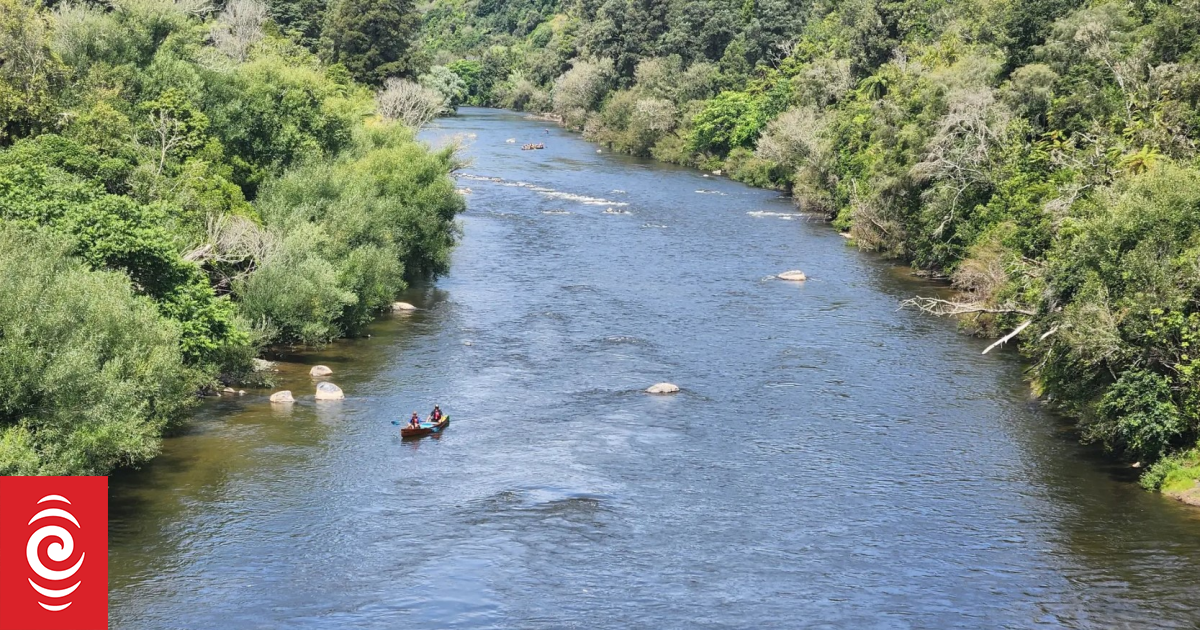
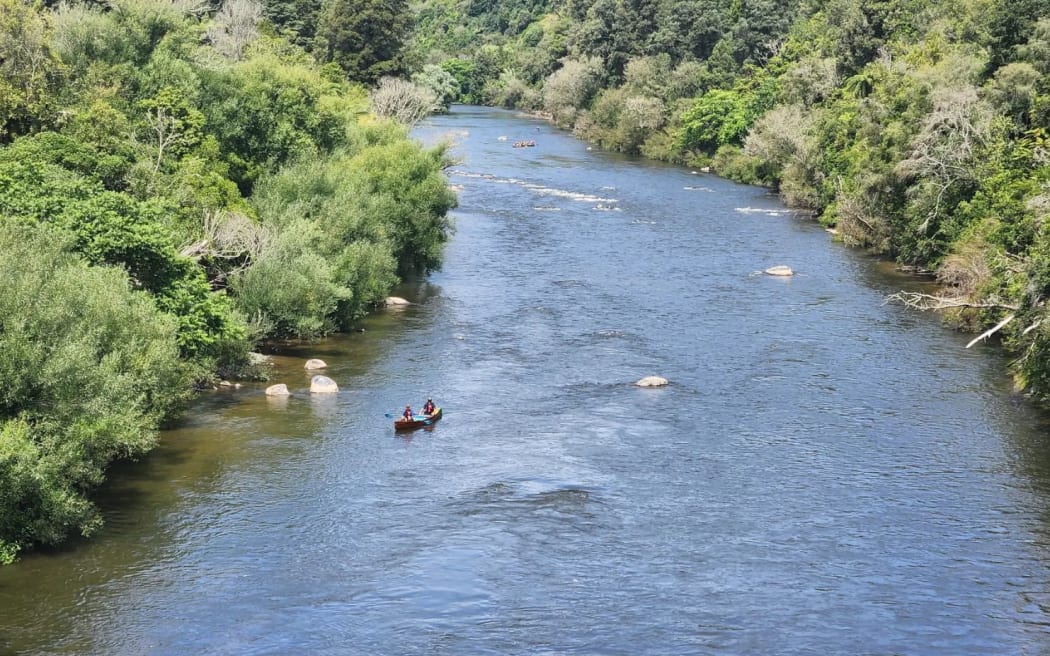
Photo: LDR / Moana Ellis
There’s always something more urgent to attend to, but here’s why we need to take freshwater warnings more seriously
Chuck it down the drain and it magically disappears.
Your body scrub; medications; particles that fall off your clothes in the washing machine.
Only they don’t disappear – most of the time they end up in our rivers and lakes, micro-particles tiny enough to escape our often old and creaky wastewater infrastructure.
They’re called ’emerging organic contaminates’ – pharmaceuticals, flame retardants, personal care products – forever chemicals. They’re a world-wide problem, and they’re touched on in a new report, Our Freshwater 2026.
Dr Nick Ling, an Associate Professor in Biodiversity and Ecology at the University of Waikato, says they’ve been an issue for 30 years now.
“But why it’s particularly a problem for many areas in New Zealand is that these things are typically not well removed by our wastewater treatment processes. And of course one of the problems we have with the wastewater treatment is that we have decades of under-investment in infrastructure, and a lot of our wastewater treatment plants aren’t even meeting their current consent conditions, let alone operating under what we might term 21st century best practice.”
The Freshwater report largely relies on regional councils carrying out and paying for environmental monitoring, which is increasingly becoming a problem.
“Some of those regional councils are very well off and they can afford to do this sort of work; other councils, because they have a smaller ratepayer base, they just don’t have the funding to support a lot of environmental monitoring.
“And also some of these things are actually very expensive to measure,” says Ling. “To be fair it’s not an easy thing.”
Just one test can cost $1000.
“We know there’s lots of problems out there, and although this report does have some new data in it, there’s just not enough monitoring to really get a good handle on any improvements or deterioration that might be occurring.
“And I guess if you’re not measuring things, then it’s easy to say, ‘well we don’t know what’s going on’.”
The report compiles 15 studies to give a picture of the health of our lakes and rivers, a requirement under the Environmental Reporting Act of 2015. Five of those studies haven’t been updated since the last report in 2023.
And there’s something missing from the legislation: any requirement to provide solutions or responses to the issues raised. Legislation to change that was drafted by the last government, but has not been enacted.
Ling says while there have been some improvements in water quality since the 2023 report, the bulk of it is “sobering”.
“We are really not seeing a lot in the way of improvement. The state of our freshwater is continuing to get worse.”
So is there any hope?
“I think the hope would come if we saw genuine shock, and a willingness in the halls of power to address the problem and find ways to turn this around,” he says. “But sometimes it feels like these things fall on deaf ears. It’s almost like they think, ‘oh this is too big a problem to address’. Or of course, ‘we’ve got more pressing problems to deal with’. But of course when it comes to the potential safety of our drinking water, it’s something that we need to take very seriously, and not put it in the too hard basket.”
Ling says the tipping point will be when this issue starts impacting on tourism and visitors complain that New Zealand’s clean, green image is false advertising.
“If they all end up with cryptosporidium or E-coli infections from swimming in our lakes and rivers, then that’s going to be a significant problem for us given the importance of our economy on tourism.”
Professor Troy Baisden, the co-president of the New Zealand Association of Scientists and adjunct professor at Victoria University, says we’re seeing a slow degradation in a lot of the water quality and water health issues that matter.
The amount of nitrates in the water is increasing, with resulting declining water quality.
“We’re also seeing some signs of improvement,” he says.
“Mainly those are about phosphorus, which used to be public enemy number one when it came to water, worldwide. Efforts to get phosphorus down have worked.”
He says that’s largely thanks to phosphates being removed from cleaning products, but it’s also well managed in agricultural products in New Zealand compared to nitrates.
But Baisden believes we can attack the nitrate problem too, but we need a system that helps push the solutions out to leading farmers, and a system that integrates and incentivises it.
He also bemoans the lack of data being collected to make sure we get a good picture of what’s happening with our lakes and rivers, and the threats to science and scientists through funding cuts.
In The Detail today he also has a good news story about the cleaning up of one of the country’s most spectacular lakes, with a scheme that gained international attention.
Check out how to listen to and follow The Detail here.
You can also stay up-to-date by liking us on Facebook or following us on Twitter.