
Forest life often appears balanced and quiet. Birds build, feed, and raise their young in the same spaces year after year. But even in these stable environments, competition can take unexpected forms.
In Hawaii’s high-elevation forests, some birds are not just gathering materials. They are taking them from each other.

A recent study brings this overlooked behavior into focus and shows how it may shape survival in subtle ways.
Birds steal nest materials
Researchers from the University of California, Riverside set out to better understand the daily lives of native Hawaiian birds.
Instead of focusing on predators or disease, they tracked something far less obvious. Birds removing twigs, moss, and fibers from nearby nests.
Scientists track nest theft
“People working in the field have seen this behavior for years, but it’s never been documented at this level,” said Erin E.Wilson Rankin who is the first author of the study.
“Now we can say who’s doing it, who they’re stealing from, and what happens to the nests afterward.”
Over six months, the team closely monitored more than 200 nests across forest canopies.
This careful observation allowed them to move beyond casual sightings and actually measure how often this behavior occurs.
Who steals the most?
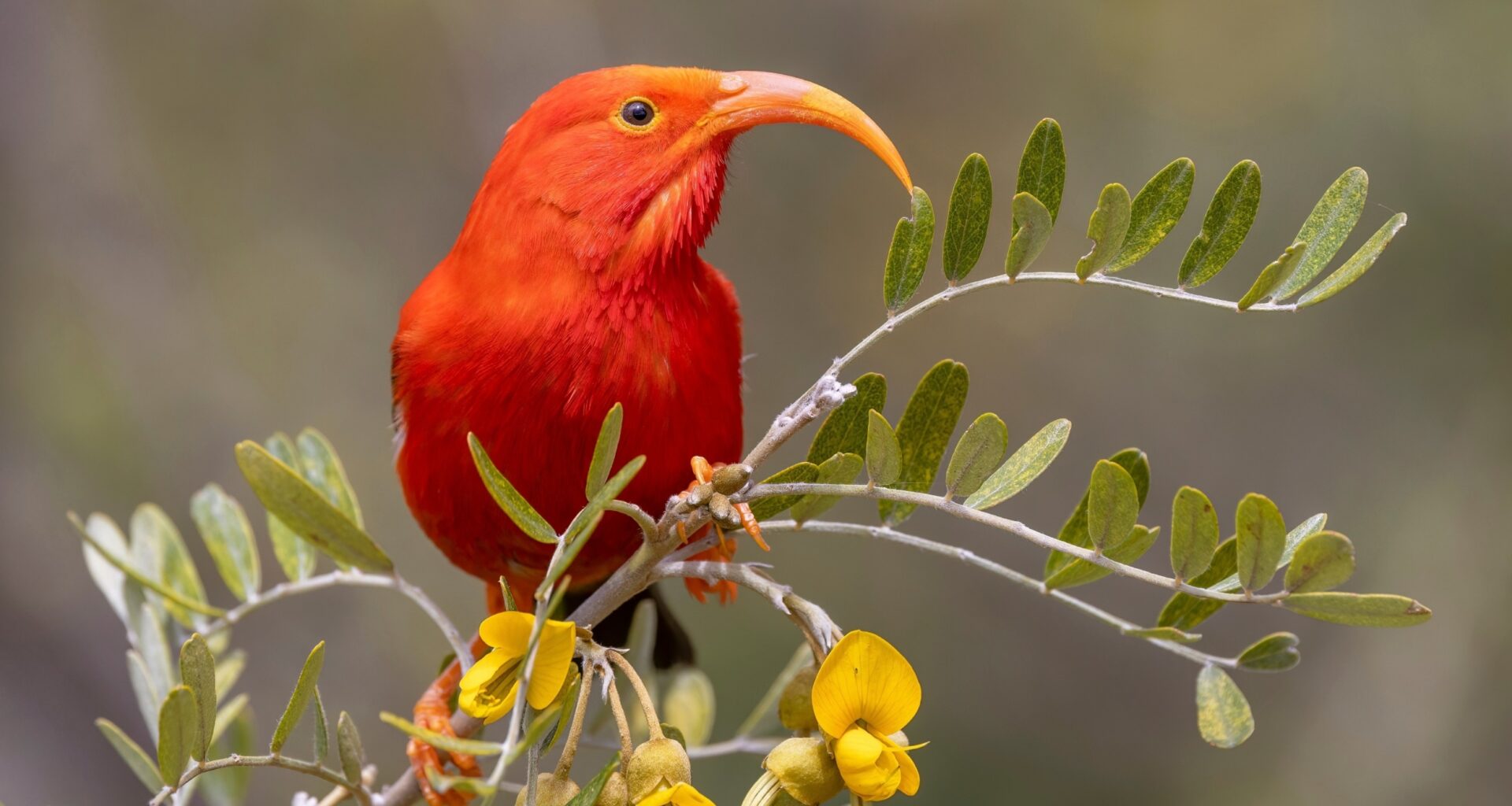
The findings revealed a surprising pattern. The Apapane, a common native species, appeared on both sides of the interaction. It was often the one taking materials, but it was also frequently targeted.
This overlap likely reflects how often these birds cross paths. Larger populations create more chances for interaction, and in this case, more chances for theft.
“What’s fascinating is that this behavior is happening within species as well,” Wilson Rankin said. “Apapane were stealing from other Apapane.”
Theft occurs at same height
The study also showed that location matters. Birds tended to take materials from nests built at similar heights.
This suggests they are not actively searching for nests to rob. Instead, they take advantage of what they encounter during routine movement through the forest.
Active nests sometimes fail
Not every act of theft leads to harm. Many of the nests involved were no longer in use. But the study found that some were still active, holding eggs or chicks or still under construction.
These cases carried real consequences. “We saw instances where nests failed, either because the nest structure was compromised or because the parents were disturbed and left,” Wilson Rankin said.
About 5% of the monitored nests failed after such events. That figure highlights how even minor disruptions can affect breeding success.
Birds face survival pressure
For Hawaiian forest birds, survival is already a challenge. Habitat loss has reduced available nesting space.
Climate shifts are changing the environment. Mosquito-borne diseases have forced many species into shrinking high-elevation zones.
In this context, even small setbacks can matter. Losing part of a nest or abandoning it entirely can reduce the chances of raising young successfully.
Stealing may offer short-term benefits for the birds that do it. It saves time and energy. But it may also introduce new risks, such as exposure to parasites carried in the materials.
Nest theft may increase
As conditions change, this behavior could become more common. If suitable nesting spots or materials become harder to find, competition may increase.
“This kind of behavior could be more common if nesting materials or safe nesting sites become scarce,” Wilson Rankin said. “It’s something we should measure.”
Understanding these patterns can help guide conservation work. Even if the behavior itself cannot be prevented, identifying when it is most likely to happen can support better planning.
Findings guide conservation
“If we can predict when and where this behavior happens, we might not be able to stop it, but we can intervene in other ways to support at-risk species,” Wilson Rankin said. “That’s a benefit of this work.”
The study also shifts how we think about threats in nature. Not all risks come from outside forces.
“Sometimes threats to animal species don’t come from predators or people,” Wilson Rankin said. “They can come from similar animals.”
Implications of the study
In a crowded forest, survival is not only about staying safe from predators or harsh conditions.
Animals also have to deal with constant competition from others living around them. When many birds share the same limited space, even small actions start to matter.
Something as simple as taking a few twigs from another nest can affect another bird’s chances of raising its young.
These small interactions can disturb nests, waste energy, or force birds to rebuild. Over time, repeated events like this can add pressure on already struggling species.
So survival becomes more than just avoiding obvious threats. It also depends on how well animals handle everyday competition, even in actions that seem minor at first glance.
The study is published in the journal The American Naturalist.
—–
Like what you read? Subscribe to our newsletter for engaging articles, exclusive content, and the latest updates.
Check us out on EarthSnap, a free app brought to you by Eric Ralls and Earth.com.
—–