
First published on 
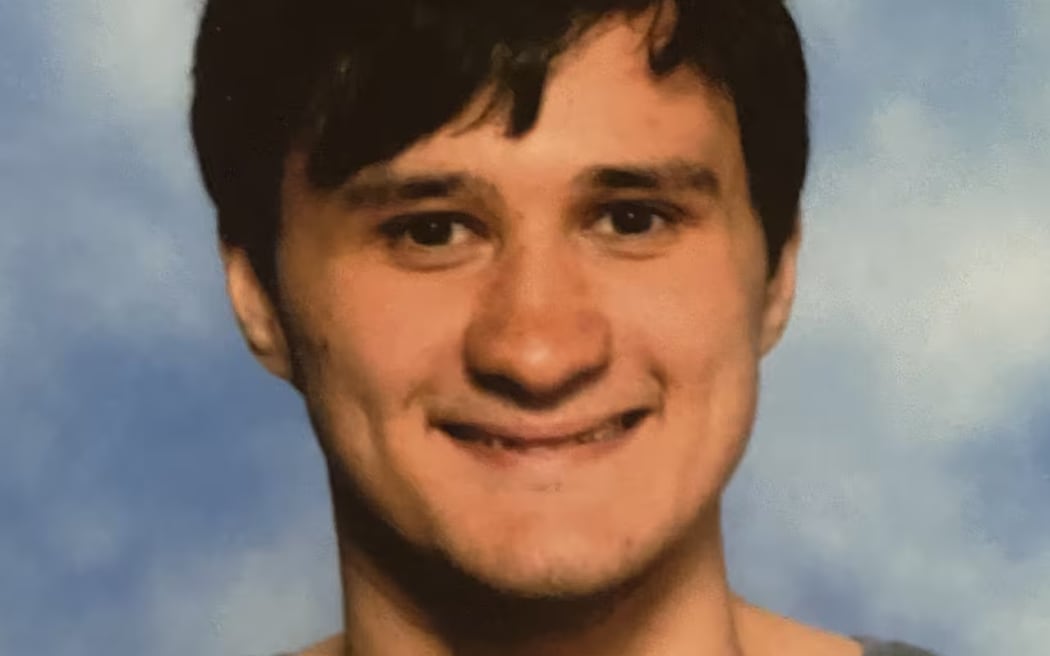
Wellington man Bradford Webster died in 2023.
Photo: OPEN JUSTICE / NZME
WARNING: This story discusses suicide.
Like many young people, Bradford Webster balanced school and a steady part-time job as he tried to carve out a future for himself.
The former Kāpiti College student was fulfilling his dream to become an animator, studying for a Bachelor of Screen Arts at Massey University in Wellington, his lecturer describing him as a “very good student”, with a natural talent for animation, storytelling and comic timing.
Having made two films while at school, he was working on a third, an animation, before his suicide.
His family recalls he was a caring person who always put others before himself, often giving money to the homeless.
Webster was also mildly autistic and known for being very empathetic, with a playful sense of humour.
“He made short animations with controversial figures like [Donald] Trump and [Adolf] Hitler, but he made them satirical; there was always a message in his work,” his mother, Sheralee Harris, told NZME.
Art, she says, was a way he could project his feelings, whether it was frustration or joy.
His twin sister, Aneika Webster, recalls that he was always laughing.
But behind the caring nature and the jokes he made while juggling the routine of classes and shifts, there was a quiet strain that kept building.
A year before his death, Webster had picked up a part-time job at the Z Energy service station in Wellington’s Taranaki St.
He didn’t enjoy it, yet felt he couldn’t leave as bills were waiting.
According to Coroner Ian Telford, in his findings released today, Webster was regularly required to deal with aggressive customers, had complained of being bullied by a colleague, and felt unsupported and pressured to work extra shifts, despite having classes to attend.
Webster’s family and friends noticed a change in his behaviour in the lead-up to his death.
By mid-2023, Aneika said he appeared tired, stressed, and emotionally overwhelmed.
A week before his death, he told his lecturer he didn’t want to keep arguing with his employers about being unable to take on extra shifts due to his studies.
Days later, a friend sensed he was worried, and his twin said he was very quiet, telling her he was struggling to sleep, felt depressed and stressed because of a university project he was finding difficult to finish because of his work commitments.
But having got an extension for his project, he seemed calmer and more hopeful. The last time she saw him, two days before his death, she said he seemed positive.
He also saw his GP just before his death and advised that he had stopped taking his medication for depression and anxiety because he felt he didn’t need it.
However, Webster died by suicide on September 22, 2023, 11 days after he celebrated his 21st birthday with his twin sister.
The coroner declined to make recommendations in his findings, but said it was clear the source of Webster’s stress was balancing the demands of work and study.
This case, he said, highlighted the often hidden and cumulative stress that can affect individuals, particularly those managing additional challenges such as neurodiversity.
It also highlighted the pressures faced by frontline workers, like those who work at gas stations, which the findings note have reached “pandemic” levels.
“Simple acts of patience, respect and kindness can make a meaningful difference to those experiencing pressures that are often invisible.
“It is, of course, always inexcusable to behave abusively towards anyone in our society, particularly those providing us with assistance and support.”
‘No means no’
Following Webster’s death, WorkSafe commenced an investigation, during which it became clear there was pressure on staff to pick up additional shifts, partly because petrol stations are considered an essential service.
But with the introduction of prepay pumps, this was no longer the case, the findings said.
The service station concerned had since introduced a clear policy of “no means no”, allowing staff to turn down shifts. If no one was available, then the station was closed.
The station had also introduced weekly welfare checks, regular updates of incident reports, and trialled pre-pay pumps to reduce violence towards staff.
The findings also acknowledged that Z Energy had a company-wide online mechanism for reporting bullying.
It said Z Energy acknowledged aggressive customers were a significant risk, with their health and safety manager reporting a “pandemic” around workplace violence. All new employees were told about these risks, and training was provided.
WorkSafe subsequently found that the station’s owner, as well as Z Energy, had complied with all improvement notices and recommendations made following its investigation.
Family doesn’t accept the findings
Despite the improvements, the family remain critical of the coroner’s findings, saying it hasn’t addressed the harassment or pressures Webster was under, with him having to pick up extra shifts and the long hours he was working.
Aneika says there’s no doubt her brother’s mental health, including depression, was a factor, but with the findings, “it felt like the work thing that caused him to be depressed was not addressed”.
“It had such an impact on his mental health, it ruined his confidence,” she said.
The family are also critical of online tools to report issues, saying that’s not feasible for people suffering from mental health problems.
In a statement, WorkSafe said it extended its sincere condolences to Webster’s whānau and friends.
It confirmed that it visited the service station in April 2024, speaking with the station’s owner, Z Energy’s health and safety manager, senior leaders and staff, as well as a health and safety representative.
“The inspector observed that there was good worker involvement in health and safety, and there was an online tool for workers to report health and safety issues and risks.
“However, this was not the only way of reporting these. Workers could also raise issues by speaking to their manager or health and safety representatives,” the statement said.
In a short statement, Z Energy said it acknowledged the findings relating to Webster.
“We continue to extend our sincere condolences to all who were affected by his passing. As this is a sensitive matter for the family, we will not be making further comment”.
Concluding his findings, the coroner says, in retrospect, it was evident that Webster was experiencing significant stress and pressure around the time of his death.
“Unfortunately, he did not communicate the full extent of his distress to those close to him, particularly his friends, family, and GP.
“As a result, these individuals were not in a position to intervene in a way that might have provided support or prevented his death.
“Situations of this kind are, tragically, not uncommon, and such outcomes can occur despite the care and concern of those around a person.”
Where to get help:
Need to Talk? Free call or text 1737 any time to speak to a trained counsellor, for any reason
Lifeline: 0800 543 354 or text HELP to 4357
Suicide Crisis Helpline: 0508 828 865 / 0508 TAUTOKO. This is a service for people who may be thinking about suicide, or those who are concerned about family or friends
Depression Helpline: 0800 111 757 or text 4202
Samaritans: 0800 726 666
Youthline: 0800 376 633 or text 234 or email talk@youthline.co.nz
What’s Up: 0800 WHATSUP / 0800 9428 787. This is free counselling for 5 to 19-year-olds
Asian Family Services: 0800 862 342 or text 832. Languages spoken: Mandarin, Cantonese, Korean, Vietnamese, Thai, Japanese, Hindi, and English.
Rural Support Trust Helpline: 0800 787 254
Healthline: 0800 611 116
Rainbow Youth: (09) 376 4155
OUTLine: 0800 688 5463
Aoake te Rā bereaved by suicide service: or call 0800 000 053
If it is an emergency and you feel like you or someone else is at risk, call 111.
* This story originally appeared in the New Zealand Herald.